
Questions & Resources
Can’t find the answer you’re looking for? Contact a robot expert.
Talk to an ExpertBuying & Shipping
You can buy real robot dogs and humanoid robots online from Toborlife (toborlife.ai), a US-based authorized Unitree dealer. Toborlife ships the full Unitree lineup – Go2, A2 and B2 robot dogs plus R1, G1 and H-series humanoids – from a California warehouse with US support, warranty, and financing. Consumer and education models ship directly; enterprise buyers can request a custom quote.
Yes. Toborlife is a US-based authorized dealer for Unitree Robotics, so every robot is genuine, US-supported, and backed by warranty. Buying through an authorized dealer means real after-sales support, proper documentation, and financing options – not a grey-market import.
Yes, you can buy a humanoid robot today – no waitlist. Toborlife stocks shipping Unitree humanoids including the R1 (from $8,990) and G1 (from $17,990), available to order online now. This is unlike Tesla Optimus or Figure, which are not yet sold to the public.
Yes. Toborlife offers financing through Affirm at checkout, so you can split the cost of a robot dog or humanoid into monthly payments. Multiple payment methods are accepted, and enterprise or education buyers can also request purchase-order and quote-based terms.
Yes – Toborlife offers FREE fast shipping within the continental US, shipping from a California warehouse. Most consumer robot dogs and humanoids ship ready to use with charger, remote, and app access included. Delivery is quick because units are stocked domestically rather than drop-shipped from overseas.
Toborlife robots include a one-year warranty as standard, backed by US-based support from Toborlife's engineers. Because Toborlife is an authorized Unitree dealer, warranty service and parts are handled properly rather than voided by grey-market importing.
Pricing
Robot dogs range from about $2,490 to $97,600. At Toborlife, the Unitree Go2 / Home Dog line starts at $2,490 (Go2 Air) for home and hobby use, education and enterprise Go2 models run roughly $13,000-$34,000, the premium A2 industrial quadruped is $31,900, and the heavy-duty B2-W reaches $97,600. Most home robot dogs sit in the $2,500-$4,000 range.
Humanoid robots currently cost from about $8,990 to over $100,000. At Toborlife, the Unitree R1 humanoid starts at $8,990, the G1 series from $17,990, and advanced education units like the G1 Edu Ultimate and H2 Edu start at $38,900 and $66,800. Prices have fallen sharply – full-size humanoids that cost hundreds of thousands a few years ago are now under $30,000.
The most affordable real robot at Toborlife is the Unitree Go2 robot dog, starting at $2,490 for the Go2 Air. It is a genuine AI quadruped – not a toy – with obstacle avoidance, an app, voice/remote control, and a live camera feed. The cheapest humanoid robot is the Unitree R1 at $8,990.
AI-powered robots at Toborlife range from about $2,490 for an AI robot dog (Unitree Go2) to $8,990+ for an AI humanoid (Unitree R1), up to $70,000+ for advanced research humanoids. Higher prices reflect onboard AI compute (NVIDIA Jetson), LiDAR, dexterous hands, and payload – not just size.
Robot price depends mostly on autonomy, sensors, compute, and payload rather than size alone. A basic home robot dog has a camera and app; a $30,000+ unit adds LiDAR mapping, NVIDIA Jetson AI compute, higher payload, and an SDK for development. Humanoids cost more again because of many degrees of freedom, dexterous hands, and balance control.
Robot Dogs
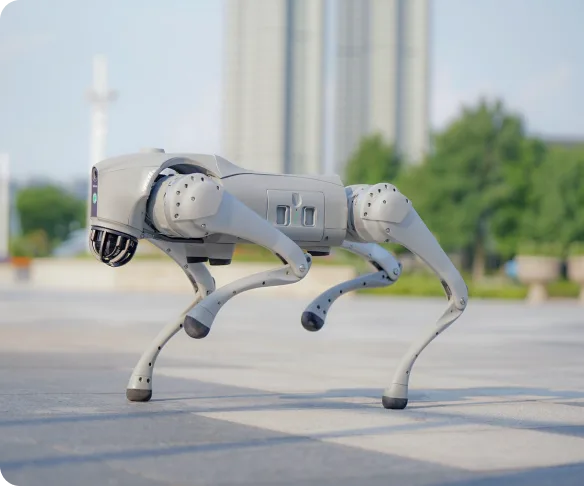
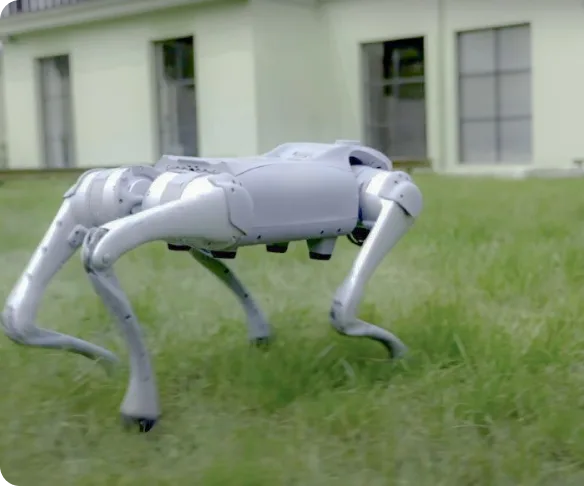
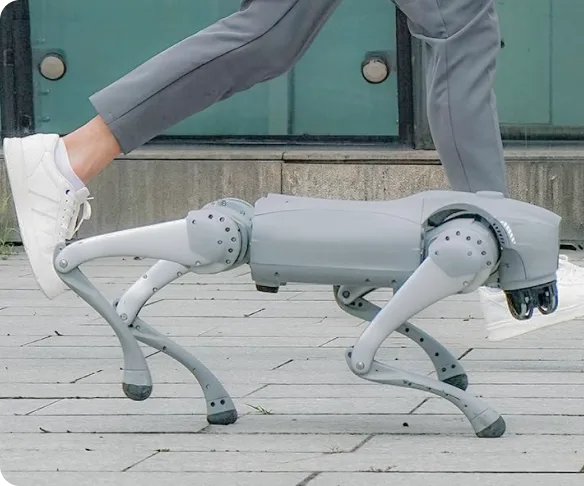
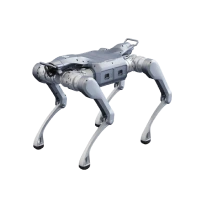
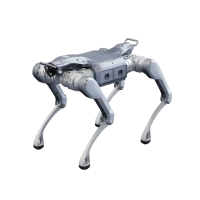
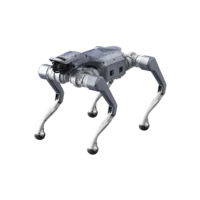
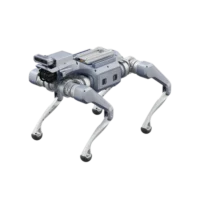
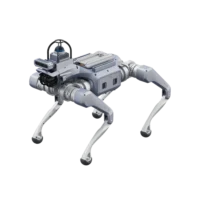
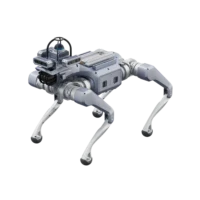
A robot dog, or quadruped, is a four-legged robot that walks, runs, climbs stairs, and balances on uneven ground like a real dog. The four legs give stability and mobility that wheeled robots lack, so it handles rough terrain and obstacles while carrying cameras and sensors. Popular models include the Unitree Go2, A2, and B2, sold at Toborlife.
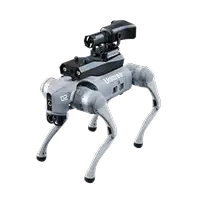
Toborlife sells the full Unitree quadruped range: the Go2 and Home Dog line ($2,490+) for home, hobby, and education; the A2 ($31,900) premium industrial quadruped with up to 100 kg payload; and the B2 / B2-W (up to $97,600) for heavy-duty industrial and inspection work. Each targets a different budget and use case.
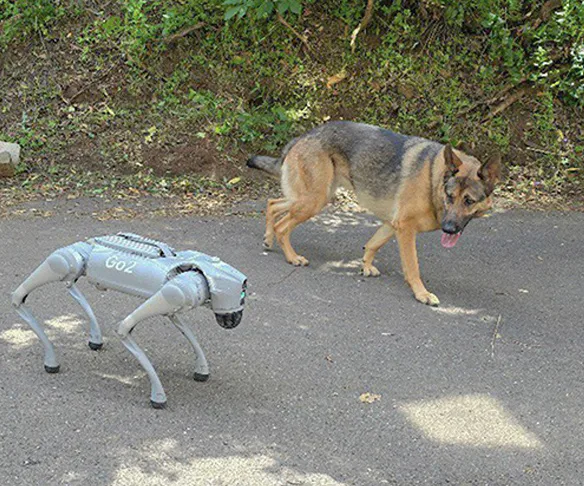
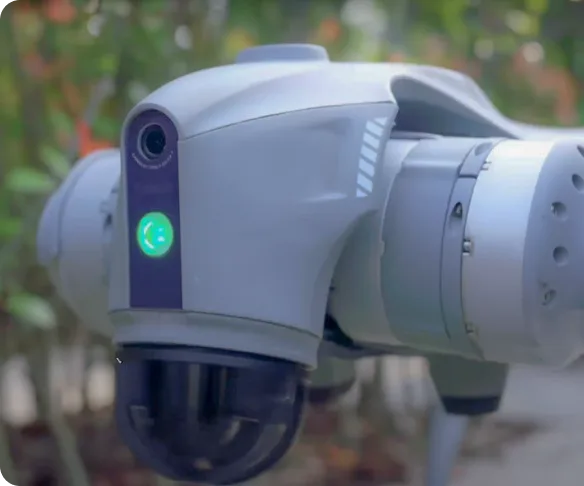
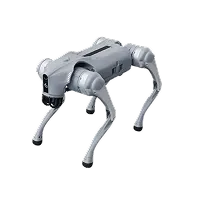
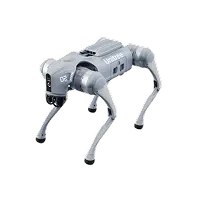
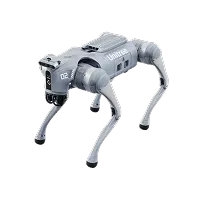
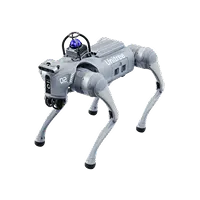
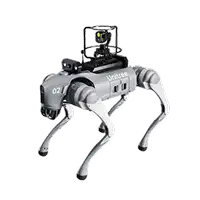
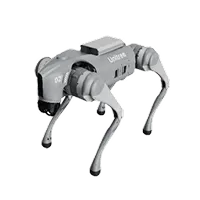
The Unitree Go2 is a compact AI robot dog that starts at $2,490 and is Toborlife's most popular quadruped. It features obstacle avoidance, Wi-Fi 6/Bluetooth, a phone app, voice and remote control, a live camera feed, and OTA upgrades, with education versions adding LiDAR and NVIDIA compute for development. Battery life is roughly 2.5-4 hours.
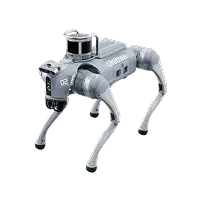
The Go2 Air is the entry model for home users; the Go2 Pro adds performance and range; and the Go2 Edu/Enterprise versions add LiDAR, NVIDIA Jetson compute, and full SDK access for robotics research and development. Prices scale from $2,490 (Air) up to roughly $34,000 for top education and enterprise configurations.
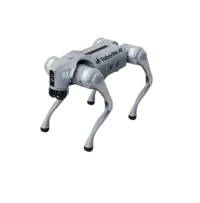
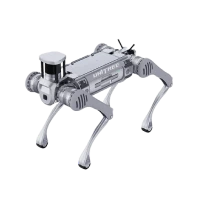
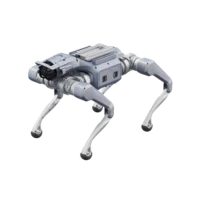
The Unitree A2 ($31,900) is a premium industrial quadruped built for demanding real-world work. It carries up to 100 kg, climbs 45-degree slopes, runs over 5 hours per charge, and packs LiDAR, an HD camera, an 8-core Intel Core i7, and optional GPS + 4G. It is aimed at inspection, logistics, and advanced research rather than home use.
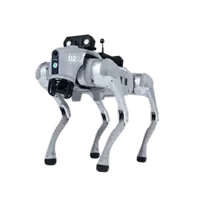
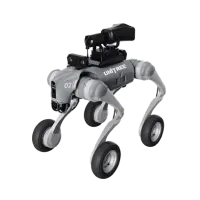
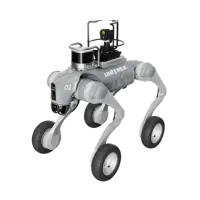
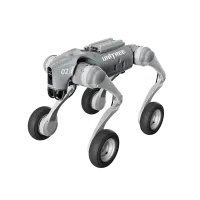
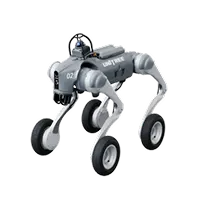
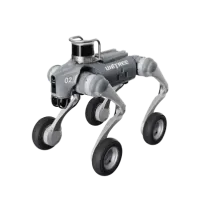
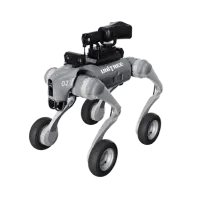
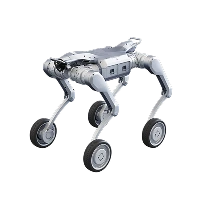
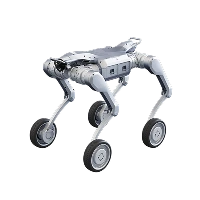
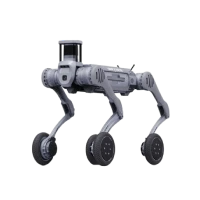
The Unitree B2 and wheeled B2-W (up to $97,600) are heavy-duty industrial quadrupeds for inspection, security, and hazardous-environment work at power plants, factories, and construction sites. They offer high payload, long endurance, and rugged all-terrain mobility, and can be fitted with LiDAR and cameras for autonomous patrol and mapping.
Robot dogs are used for industrial inspection, security patrols, mapping, and reaching hazardous areas so humans stay safe – across factories, power plants, and construction sites. Smaller consumer models like the Go2 are also used for research, STEM education, content creation, and home security with a roaming live camera.
Yes. Quadruped robot dogs are specifically designed to climb stairs, cross rough or uneven ground, and recover their balance after slips or pushes – abilities wheeled robots lack. The Unitree A2, for example, climbs 45-degree slopes, while even the consumer Go2 handles curbs, stairs, and obstacles with active balancing and obstacle avoidance.
Battery life depends on the model: consumer Unitree Go2 / Home Dog units run about 2.5-4 hours per charge, while the industrial A2 runs over 5 hours. Batteries are swappable on many models, so operators keep spares to extend field time. Charging pads and chargers are included.
Yes – the Unitree Go2 / Home Dog (from $2,490) is a popular gift and home companion that performs tricks, follows voice and app commands, captures photos and video, and acts as a roaming security camera with a live feed. It is a genuine AI robot rather than a toy, making it a standout gift for tech enthusiasts.
Humanoid Robots
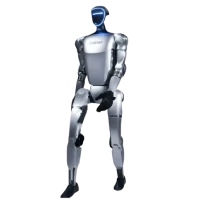
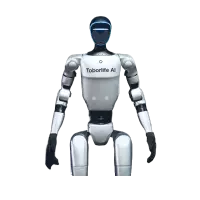
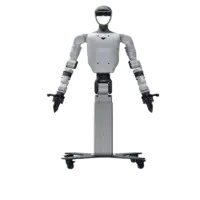
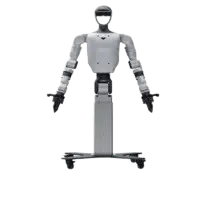
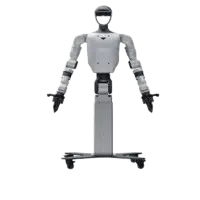
A humanoid robot is built to resemble the human body – head, torso, two arms, and two legs – so it can work in human spaces and use human tools. This lets it walk, balance, and manipulate objects the way a person would. Modern examples you can buy include the Unitree R1 and G1, sold at Toborlife.
Toborlife sells shipping Unitree humanoids: the R1 (from $8,990) as an accessible entry humanoid, the G1 series (from $17,990) for advanced motion and development, and H-series research models like the H2 Edu ($66,800) with dexterous hands and high compute. Education 'Edu' versions add SDK access for AI and robotics research.
The Unitree G1 is an advanced humanoid robot starting at $28,950 (G1 Pro) at Toborlife. The G1 Pro features 29 degrees of freedom, a built-in 128-line 3D LiDAR, an Intel RealSense D435i depth camera, and dynamic full-body motion, with Edu versions adding NVIDIA compute and SDK access for research. It is a leading choice for AI, robotics, and academic development.
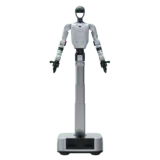
The Unitree R1 is Toborlife's most affordable humanoid robot, starting at $8,990. It brings full-size humanoid mobility – walking, balancing, and dynamic movement – to a much lower price point than research flagships, making humanoid robotics accessible to schools, developers, and enthusiasts for the first time.
Today's humanoid robots can walk, run, balance, climb stairs, carry and manipulate objects with dexterous hands, and perform dynamic motions like squats or dancing. With onboard AI they can perceive surroundings, follow commands, and learn tasks. Current models like the Unitree G1 are aimed at research, education, and development rather than fully autonomous household chores.
Yes – some humanoid robots are on sale to the public in 2026. Unitree's R1 (from $8,990) and G1 (from $17,990) ship today from Toborlife, while others like Tesla Optimus and Figure are not yet publicly available. Fully general-purpose home humanoids are still emerging, but development and education units can be bought right now.
A humanoid robot shares the human body plan – head, torso, arms, and legs – and is built for mobility and manipulation, like the Unitree G1. An android is a specific type of humanoid designed to look convincingly human, with lifelike skin and facial features, like Hanson Robotics' Sophia. In short: all androids are humanoids, but most humanoids are not androids.
Capabilities & AI
Yes. Unitree robot dogs and humanoids combine physical hardware with AI, using computer vision, LiDAR, and sensor data to perceive surroundings, navigate, avoid obstacles, and adapt. Higher-end models carry onboard NVIDIA Jetson compute (up to 40 TOPS and beyond) to run AI models on-device, and many understand natural-language voice commands.
Yes. Unitree's Edu and Enterprise models are full development platforms with SDK access and onboard NVIDIA Jetson compute for robotics research, AI applications, and secondary development. Go2 Edu, G1 Edu, and As2 Edu units are widely used by universities and labs to build and test custom autonomy, perception, and control software.
Yes. Consumer Unitree robot dogs like the Home Dog / Go2 understand and respond to natural-language voice commands, and some use ChatGPT-based language understanding (requires Wi-Fi or 4G). You can also control them by remote or the included phone app, and they perform tricks and follow-me behaviors on command.
Payload varies widely by model. The industrial Unitree A2 robot dog carries up to 100 kg, the As2 platform handles up to 65 kg standing (15 kg walking), and consumer Go2 units carry much lighter loads suited to sensors and small cameras. Humanoids use dexterous hands to lift and manipulate smaller objects rather than heavy payloads.
Use Cases & Industries
Robot dogs and humanoids are used in manufacturing, energy, construction, security, logistics, defense, and academic research. Common jobs include autonomous inspection, security patrol, mapping, hazardous-area access, and materials handling. Universities and labs also use Edu models heavily for AI and robotics research.
Yes – Unitree Edu models are purpose-built for education and research, with SDK access, onboard NVIDIA compute, and full expandability. Schools and universities use the Go2 Edu, G1 Edu, and As2 Edu to teach robotics and develop AI, perception, and control algorithms. Toborlife supports education and enterprise buyers with quotes and engineering support.
About Unitree & Robots
Unitree robots are made by Unitree Robotics, headquartered in Hangzhou, China (Binjiang High-Tech district). Founded in 2016 by Wang Xingxing, Unitree is a global leader in quadruped and humanoid robots. In the US, Toborlife is an authorized Unitree dealer providing local sales, warranty, and support.
Humanoid robots are entering the mainstream now: education and developer units already ship in 2026, and prices have dropped from hundreds of thousands to under $30,000. General-purpose home humanoids for everyday consumers are expected to become widely available over the next few years as companies like Unitree, Figure, and 1X scale production. You can already buy capable humanoids today at Toborlife.