


AI Robot Dogs vs. Guards: Expecting A Security Shift in 2026?
Atlanta is no longer testing robotic security. It is deploying it at scale.
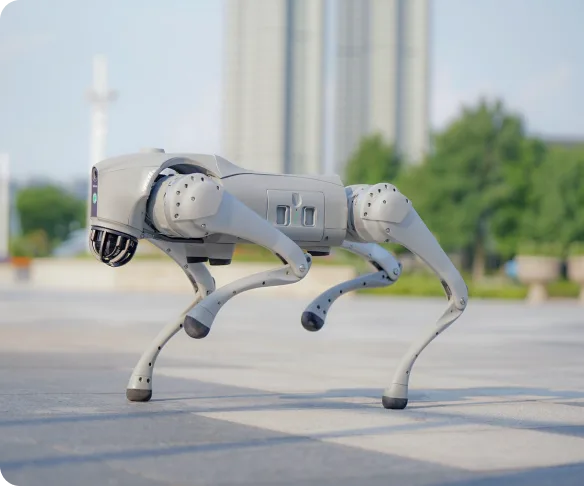
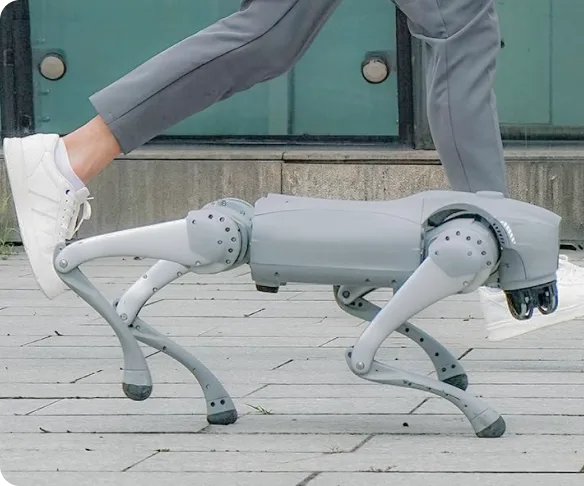
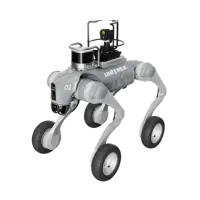
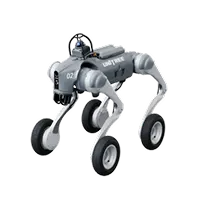
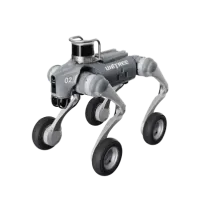
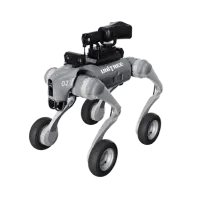
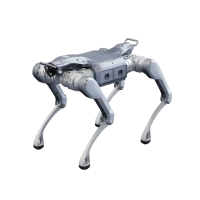
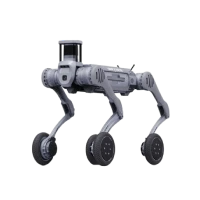
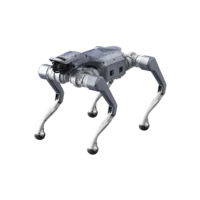
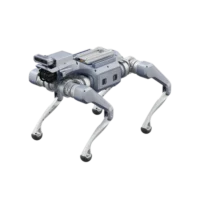
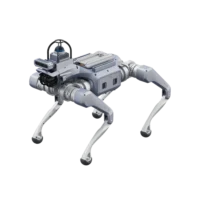
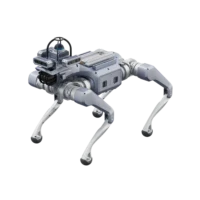
Across apartment complexes, parking lots, and construction zones, AI-powered robot dogs are now part of daily patrol operations. These machines move through real environments, stream live video, and allow remote monitoring teams to respond instantly.
This shift is not experimental. It is operational now. And it is changing how people think about security on the ground.
Discover how robots can better your life!
From Human Guards to Autonomous Patrol
Security has always depended on human presence. Guards walk routes, monitor spaces, and respond to incidents. But this model comes with limits.
Costs are high. Coverage is inconsistent. And scaling requires more people.
Robot dogs are now stepping into that gap.
They bring:
- 24/7 uptime with no fatigue
- Real-time video feeds from multiple angles
- Remote control access for fast response
This is why property managers in Atlanta are adopting them. The value is immediate and measurable.
What These Robot Dogs Are Actually Doing
These are not static systems. They are active patrol units.
In Atlanta deployments, robot dogs are:
- Navigating apartment complexes during night patrol
- Monitoring parking areas for unusual activity
- Inspecting construction sites after hours
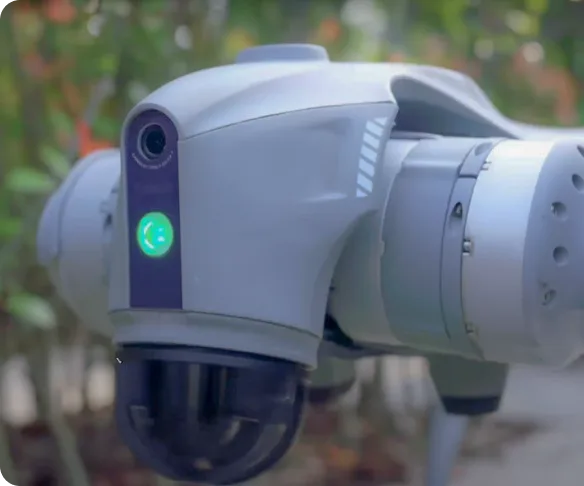
They are equipped with cameras and sensors that continuously send data back to human operators. If something looks off, operators can step in and take control.
This creates a hybrid model. Machines handle the movement and monitoring. Humans handle decisions.
Why This Model Is Scaling Fast
The biggest driver is cost efficiency.
Traditional security requires multiple guards across shifts. That adds up quickly. Robot dogs reduce that dependency.
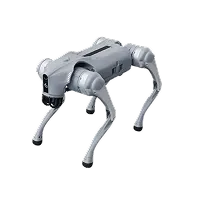
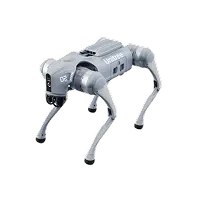
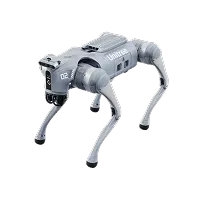
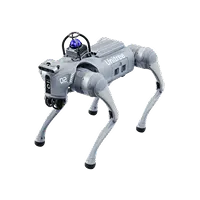
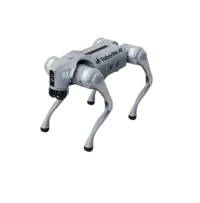
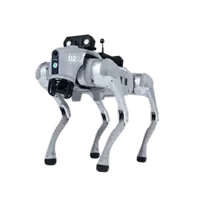
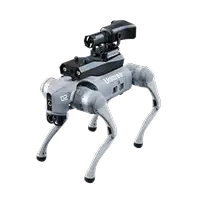
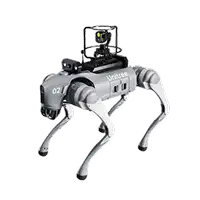
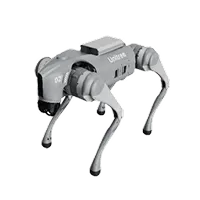
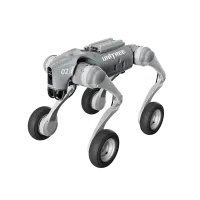
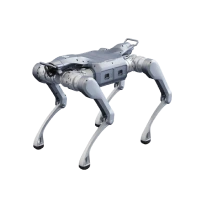
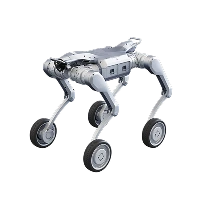
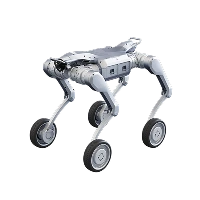
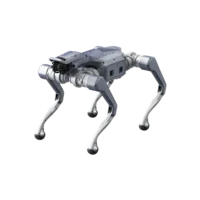
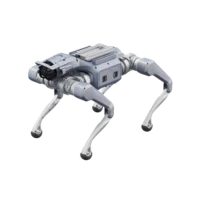
For many use cases, a robot dog for home security like Homedog Pro or small property patrol can deliver similar monitoring at a fraction of the long-term cost.
There is also consistency. Robots do not miss patrols. They do not get distracted. Every route is covered as planned.
This reliability is a key reason adoption is growing.
Technology Behind the Patrol
The effectiveness of these robot dogs comes from their tech stack.
They combine:
- High-resolution cameras for live streaming
- Sensors for obstacle detection and navigation
- AI systems for basic decision support
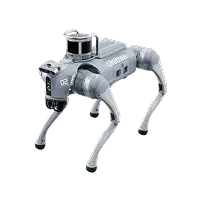
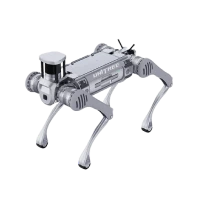
Operators can access feeds remotely and control the robot when needed. This makes them more than just cameras on legs. They are mobile surveillance systems.
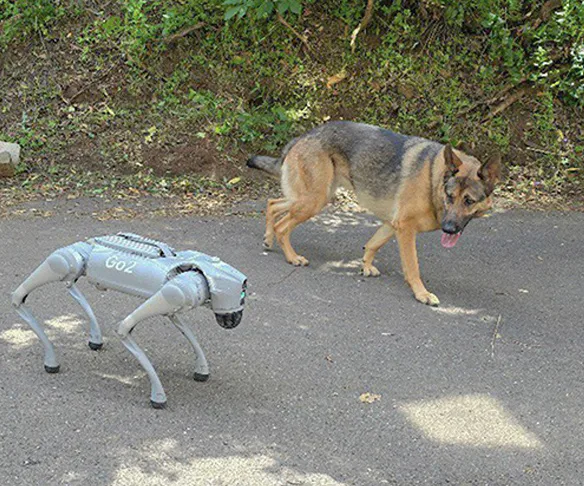
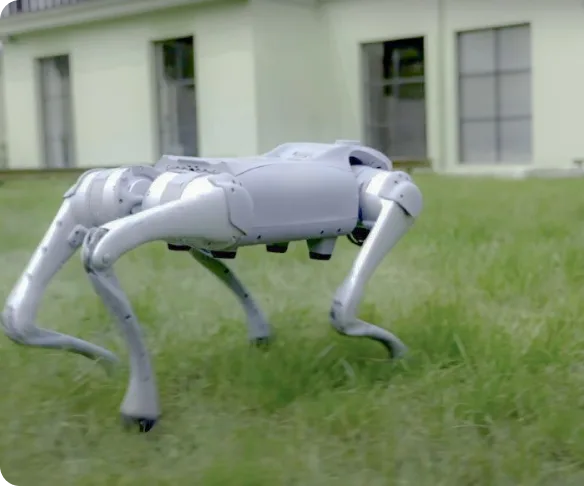
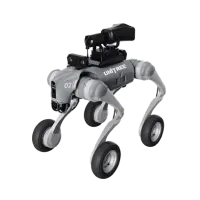
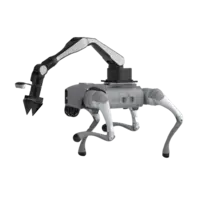
Compared to traditional security robots, robot dogs bring more flexibility. They can move through tighter spaces and handle uneven terrain.
Public Reaction and Open Questions
Not everyone is fully comfortable with robotic patrol.
There are concerns around:
- Privacy and constant surveillance
- How data is stored and used
- The long-term role of robotics in public spaces
At the same time, many see the benefits. Increased safety. Lower costs. Faster response times.
Atlanta is becoming a real-world test case for how cities balance these factors.
What This Means Going Forward
The key takeaway is simple. AI-powered patrol is no longer limited to high-end facilities. It is entering everyday environments.
Apartment managers, site operators, and even homeowners are starting to explore robotic security options.
The line between consumer and enterprise solutions is also starting to blur. What was once enterprise-only is becoming accessible at smaller scales.
This opens the door for wider adoption of both security robots and more compact robot dogs.
Final Take
Atlanta is showing what modern security looks like in action.
Robot dogs are not replacing humans. They are extending coverage and improving efficiency. They handle routine patrol tasks while humans stay focused on critical decisions.
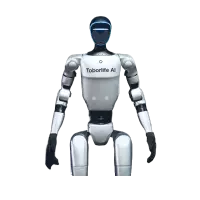
As this model gains traction, Toborlife AI is making it easier for businesses to step into this space. From agile robot dogs to scalable security robotics solutions, the focus is on real-world deployment that fits everyday environments.
If you are considering bringing robotic security into your operations, you can connect with our experts to explore the right setup for your needs. Our team can guide you through available options, use cases, and deployment strategies based on your space.
As technology continues to evolve, this approach will expand into more cities and industries.
The shift is already happening. The only question now is how quickly others will follow.