Toborlife AI Robots
Applications arrow-icon
Teleoperation Home Business Education & Research Police & Fire Safety
Media arrow-icon
Robot News Toborlife Event Robot Blogs
Resource Center
Win a Robot

(408) 409-4061 Talk to an Expert
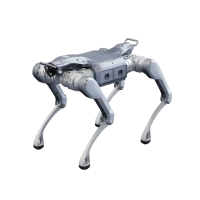
  • Go2 Pro & Edu
  • Go2 Ent
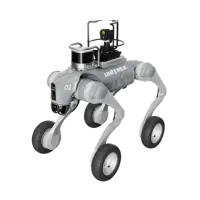
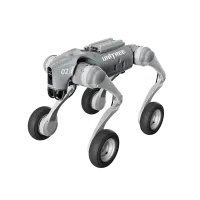
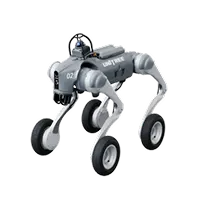
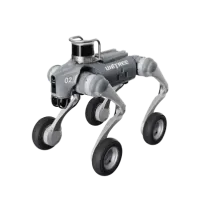
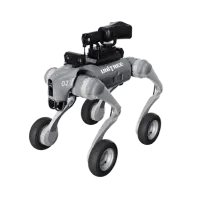
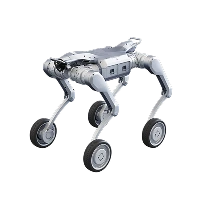
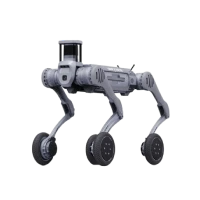
  • Go2-W
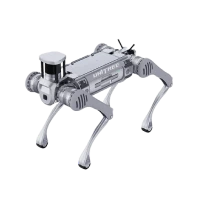
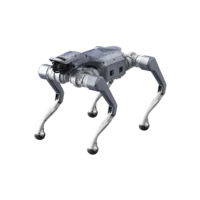
  • A2
  • B2
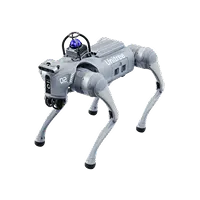
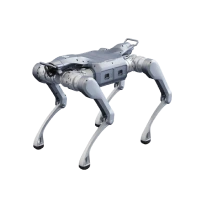
Homedog Pro

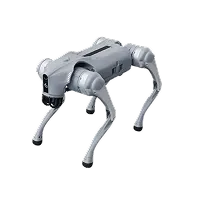
Homedog (Go2 Pro)

$3,790

  • Base Model
Go2 Edu Standard

Go2 Edu Standard

$11,190

  • 40 TOPS Secondary Dev
Go2 Edu Plus

Go2 Edu Plus

$13,205

  • Realsense D435i depth camera
  • 100 TOPS Secondary Dev
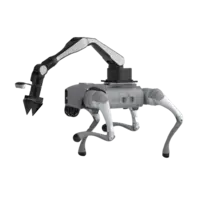
  • Optional servo arm
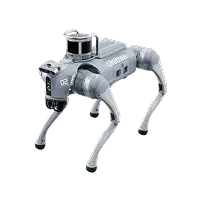
Go2 Edu Mid-360

Go2 Edu Mid-360

$17,055

  • Mid-360 LiDAR
  • 100 TOPS Secondary Dev
  • Optional servo arm
Go2 Edu Hesai XT16

Go2 Edu Hesai XT16

$19,430

  • LiDAR Hesai XT16
  • 100 TOPS Secondary Dev
  • Optional servo arm
Go2-X

Go2 X

$7,600

  • 1×LiDAR & HD camera
  • Optional GPS + 4G included

Shop All Go2 Edu Models arrow-icon

Go2 Ent

Go2 Ent

$13,205

  • Dual communication
  • Standard image sensing
Go2 Ent Plus

Go2 Ent Plus

$17,005

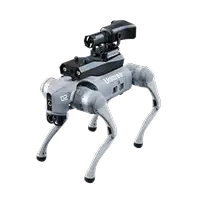
  • Searchlight
  • Police warning lights (red/blue)
Go2 Ent MPTZ

Go2 Ent MPTZ

$22,705

  • Thermal imaging sensor
  • Full 3-axis gimbal stabilization
Go2 Ent GAS

Go2 Ent GAS

$11,305

  • Industrial gas sensors
  • Ethernet & 458 industrial interface
  • Temperature measurement
Go2-W Ent-Plus

Go2-W Ent-Plus

$17,999

  • Realsense D435i depth camera
  • 3D LiDAR (Mid-360/Hesai XT16)
  • Optional servo arm
Go2-W Ent-U2

Go2-W Ent-U2

$23,999

  • Realsense D435i depth camera
  • 3D LiDAR (Mid-360/Hesai XT16)
  • Optional servo arm
Go2-W Standard

Go2-W Standard

$13,000

  • Realsense D435i depth camera
  • Optional servo arm
  • 40 TOPS Secondary Dev
Go2-W Plus

Go2-W Plus

$15,199

  • Realsense D435i depth camera
  • Optional servo arm
  • 100 TOPS Secondary Dev
Go2-W Smart

Go2-W Smart

$18,905

  • Depth camera + Mid-360
  • Optional servo arm
  • 100 TOPS Secondary Dev
Go2-W Ultimate

Go2-W Ultimate

$20,890

  • Depth camera + Hesai XT16
  • Optional servo arm
  • 100 TOPS Secondary Dev
Go2-W Inspection

Go2-W Inspection

$32,299

  • Depth camera + Hesai XT16
  • Thermal imaging sensor
  • Hardware platform only
Pre-order A2

A2

Deposit at$990

  • 1×LiDAR & HD camera
  • Optional GPS + 4G included
Pre-order A2 Pro

A2 Pro

Deposit at$990

  • 2×LiDAR & HD camera
  • GPS + 4G included
  • High compute expansion dock
Pre-order A2-W

A2-W

Deposit at$990

  • 1×LiDAR & HD camera
  • Optional GPS + 4G included
Pre-order A2-W Pro

A2-W Pro

Deposit at$990

  • 2×LiDAR & HD camera
  • GPS + 4G included
  • High compute expansion dock
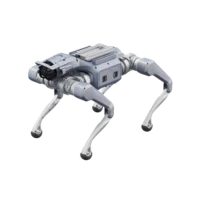
B2

B2

$85,900

  • Up to 40 kg moving load
  • Climbs 40 cm forward steps
B2-W

B2-W

$97,600

  • Up to 240 kg moving load
  • Climbs 16 cm forward steps
Get Accessories
Go2 Go2 Edu Go2-Ent Go2-W A2 B2 B2-W
  • G1
  • G1-D
  • R1
  • H2
Unitree G1 Basic Robot

G1 Basic

$21,600

  • Dummy hands
  • 23 Degrees of freedom
G1 Edu Standard

G1 Edu Standard

$43,900

  • Dummy hands
  • 23 Degrees of freedom
  • 100 TOPS Secondary Dev
G1 Edu Plus

G1 Edu Plus

$53,900

  • Dummy hands
  • 29 Degrees of freedom
  • 100 TOPS Secondary Dev
G1 Edu Pro B

G1 Edu Pro A/B

$56,900

  • Tactile Dex3-1 3-Finger hands
  • 37 Degrees of Freedom
  • 100 TOPS Secondary Dev
G1 Edu Pro F

G1 Edu Pro E/F

$56,900

  • Tactile BrainCo 5-Finger hands
  • 35 Degrees of Freedom
  • 100 TOPS Secondary Dev
G1 Edu Ultimate B

G1 Edu Ultimate A/B

$67,900

  • Tactile Dex3-1 3-Finger hands
  • 43 Degrees of Freedom
  • 100 TOPS Secondary Dev
G1 Edu Ultimate D

G1 Edu Ultimate C/D

$73,900

  • Tactile Inspire 5-finger hands
  • 41 Degrees of Freedom
  • 100 TOPS Secondary Dev
G1 Edu Ultimate F

G1 Edu Ultimate E/F

$67,900

  • Tactile BrainCo 5-Finger hands
  • 41 Degrees of Freedom
  • 100 TOPS Secondary Dev

Shop All G1 Models arrow-icon

G1-D Standard A

G1-D Standard A

$38,800

  • Dex1-1 2-Finger grippers
  • 19 Degrees of Freedom
G1-D Standard C

G1-D Standard B/C

$53,800

  • Tactile Dex3-1 3-Finger hands
  • 31 Degrees of Freedom
G1-D Standard E

G1-D Standard D/E

$53,800

  • Tactile BrainCo 5-Finger hands
  • 29 Degrees of Freedom
G1-D Ultimate A

G1-D Ultimate A

$51,900

  • Dex1-1 2-Finger grippers
  • 21 Degrees of Freedom
  • Mobile Chassis
G1-D Ultimate C

G1-D Ultimate B/C

$66,300

  • Tactile Dex3-1 3-Finger hands
  • 33 Degrees of Freedom
  • Mobile Chassis
G1-D Ultimate E

G1-D Ultimate D/E

$66,300

  • Tactile BrainCo 5-Finger hands
  • 31 Degrees of Freedom
  • Mobile Chassis

Shop All G1-D Models arrow-icon

R1 Basic

R1 Basic

$8,990

  • Dummy hands
  • 24 Degrees of Freedom
R1 Edu Standard

R1 Edu Standard

$15,950

  • Dummy hands
  • 24 Degrees of Freedom
  • 40 TOPS Secondary Dev
R1 Edu Smart

R1 Edu Smart

$18,900

  • Dummy hands
  • 26 Degrees of Freedom
  • 100 TOPS Secondary Dev
R1 Edu Pro B

R1 Edu Pro A/B

$32,900

  • Tactile Dex3-1 3-Finger hands
  • 40 Degrees of Freedom
  • 100 TOPS Secondary Dev
R1 Edu Pro D

R1 Edu Pro C/D

$32,900

  • Tactile BrainCo 5-Finger hands
  • 38 Degrees of Freedom
  • 100 TOPS Secondary Dev

Shop All R1 Models arrow-icon

Pre-order H2

H2

Deposit at$2,500

  • Dummy hands
  • 31 Degrees of Freedom
Pre-order H2 Edu

H2 Edu

Deposit at$2,500

  • Optional hands (various models)
  • 40 Degrees of Freedom
  • Jetson Thor / 300 TOPS

Shop All H2 Models arrow-icon

Get Accessories
G1 R1 H2
Toborlife AI Robots
Search
Phone Icon
cart-icon
  • No products in the cart.
View Cart
Subtotal: $0.00
    • Homedog Homedog (Go2 Pro)
      • Go2 Edu Go2 Edu Standard
      • Go2 Edu Plus Go2 Edu Plus
      • Go2 Edu Mid-360 Go2 Edu Mid-360
      • Go2 Edu Hesai XT16 Go2 Edu Hesai XT16
      • Go2 ent Go2 Ent
      • Go2 ent Go2 Ent Plus
      • Go2 ent Go2 Edu MPTZ
      • Go2 ent Go2 Ent GAS
      • Go2 ent Go2-W Ent-Plus
      • Go2 ent Go2-W Ent-U2
      • Go2-W Standard Go2-W Standard
      • Go2-W Plus Go2-W Plus
      • Go2-W Smart Go2-W Smart
      • Go2-W Ultimate Go2-W Ultimate
      • Go2-W Inspection Go2-W Inspection
      • A2 A2
      • A2 Pro A2 Pro
      • A2 W A2-W
      • A2 W Pro A2-W Pro
    • B2 EDU B2
    • B2-W B2-W
    • Get accessories for...
    • Homedog
    • Go2 Edu
    • Go2 Ent
    • Go2-W
    • B2
    • B2-W
      • G1 BasicAll G1 Models
      • G1 BasicG1 Basic
      • G1G1 Edu Standard
      • G1 EduG1 Edu Plus
      • G1 EduG1 Edu Pro A
      • G1 EduG1 Edu Pro B
      • G1 EduG1 Edu Pro E
      • G1 EduG1 Edu Pro F
      • G1 EduG1 Edu Ultimate A
      • G1 EduG1 Edu Ultimate B
      • G1 EduG1 Edu Ultimate C
      • G1 EduG1 Edu Ultimate D
      • G1 EduG1 Edu Ultimate E
      • G1 EduG1 Edu Ultimate F
      • R1G1-D Standard A
      • R1G1-D Standard B
      • R1G1-D Standard C
      • R1G1-D Standard D
      • R1G1-D Standard E
      • R1G1-D Ultimate A
      • R1G1-D Ultimate B
      • R1G1-D Ultimate C
      • R1G1-D Ultimate D
      • R1G1-D Ultimate E
      • R1R1 Basic
      • R1R1 Edu Standard
      • R1R1 Edu Smart
      • R1R1 Edu Pro A
      • R1R1 Edu Pro B
      • R1R1 Edu Pro C
      • R1R1 Edu Pro D
      • H1-2H2
      • H1-2H2 Edu
    • Get accessories for...
    • G1 Basic
    • G1 Edu
    • G1-D
    • H2
    • R1
  • Talk to an Expert
    • Teleoperation
    • Home
    • Business
    • Education & Research
    • Police & Fire Safety
    • Robot News
    • Robot Diaries
    • Robot Blogs
  • Enter to Win a Robot
  • Resource Center
  • About Us
  • Shipping
  • Returns and Exchanges
  • Warranty
  • Contact Us
Search
Clear
Tweet

Author: Toborlife AI

unitree-h2-robot

Unitree G1 vs. Unitree H2 Robot: Which Humanoid Platform Leads in 2026?

  • By Toborlife AI
  • June 10, 2026
  • unitree h2 robot
  • No comments

The humanoid robotics sector is moving into a new commercial phase in 2026. Developers, robotics labs, universities, and industrial automation companies are now looking beyond demo-stage robotics and focusing on deployable humanoid platforms with real operational value.

That shift is putting massive attention on Unitree’s latest humanoid lineup. The compact G1 and the larger H2 are targeting very different segments of the robotics market, even though both platforms share the same AI-first design philosophy.

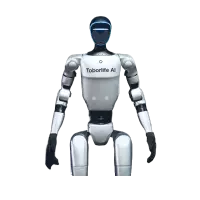
The biggest difference comes down to scale and application focus. The G1 is designed as a lightweight humanoid for research, education, and AI development. The unitree h2 humanoid robot pushes much further into industrial-grade robotics with significantly higher payload capacity, larger physical dimensions, and stronger real-world task execution.

Below, we’ll compare how these two humanoid systems differ across mobility, deployment potential, and commercial robotics applications in 2026.

Discover how robots can better your life!

See Details

Quick Comparison: Unitree G1 vs H2

FeatureUnitree G1Unitree H2
Main FocusResearch and educationIndustrial deployment
Robot SizeCompact humanoidFull-scale humanoid
PayloadLowerHigher
Best ForAI labs and universitiesWarehousing and automation
Education ModelsG1 Edu PlusH2 Edu
Deployment ScaleDeveloper-friendlyEnterprise-focused

G1 Focuses on Accessibility and Research Deployment

The Unitree G1 is gaining popularity because it lowers the barrier to humanoid robotics development. Its smaller form factor and lower pricing structure make it attractive for universities, robotics startups, and AI research teams that want a humanoid platform without enterprise-scale costs.

The robot maintains strong agility while remaining compact enough for controlled indoor environments.

Where the G1 Performs Best

  • Educational robotics programs
  • AI and reinforcement learning research
  • Lightweight humanoid testing environments


The G1 also creates easier deployment opportunities for developers experimenting with motion learning, robotic interaction systems, and edge AI software stacks.

For many smaller robotics teams, accessibility is becoming just as important as raw capability.

H2 Moves Closer to Industrial Humanoid Robotics

The unitree h2 takes a very different direction. This platform is significantly larger, more powerful, and designed for demanding operational environments that require higher payload performance and stronger physical interaction capabilities.

Compared to the G1, the H2 offers:

  • Greater load-bearing capability
  • Larger full-scale humanoid dimensions
  • Stronger industrial task potential
  • Expanded motion stability and balancing systems


The robot is clearly positioned closer to commercial automation and industrial robotics workflows rather than research-first experimentation.

This is one reason interest in the unitree h2 robot continues to grow across manufacturing and logistics sectors in 2026. Companies want humanoid systems capable of operating inside dynamic environments instead of controlled showcase conditions.

AI Processing and Motion Systems Are Scaling Fast

One of the biggest trends in humanoid robotics right now is the shift toward real-time embodied AI. Modern humanoids are expected to process motion planning, navigation, balance correction, and environmental awareness simultaneously.

The H2 platform, including the H2 Edu configuration, reflects this transition with more advanced motion architecture and stronger deployment potential for large-scale robotics environments. Meanwhile, the G1 Edu Plus continues gaining traction among universities, AI labs, and robotics developers focused on software experimentation, embodied AI research, and lightweight humanoid testing. 

What robotics buyers now prioritize

  • Real-world movement stability
  • Scalable AI integration
  • Payload performance
  • Deployment flexibility


Discussions around
unitree h2 cost and overall deployment budgets are also increasing as more businesses evaluate humanoids for operational environments instead of experimental use cases.

Toborlife AI Is Expanding Access to Next-Generation Humanoids

As humanoid robotics adoption accelerates, more businesses are exploring platforms that balance advanced AI mobility with practical deployment accessibility. Companies researching the latest humanoid systems can explore humanoid robots available at Toborlife AI, including advanced Unitree G1 and Unitree H2 robotics solutions.

Businesses evaluating the latest humanoid platforms can also review current availability, technical specifications, and evolving discussions around unitree h2 price trends by contacting the robotics specialists at Toborlife AI.

Ready to make this robot yours?

Shop Now
parking-lot-security-robot

Quadruped Security Dogs vs. Wheeled Patrol Bots: Which Parking Garage Robot Wins in 2026?

  • By Toborlife AI
  • May 29, 2026
  • parking lot security robot
  • No comments

The global security robotics market is entering a faster growth phase as commercial properties and transportation hubs invest heavily in AI-powered surveillance and autonomous patrol systems. According to Fortune Business Insights, unmanned ground vehicles are becoming one of the strongest growth segments across the industry.

San Francisco is quickly becoming a real-world testing zone for next-generation parking lot security robot deployments. Multi-level garages across the city are exposing the mobility limits of older wheeled patrol units, pushing quadruped robotic dogs into the spotlight for more adaptive and stable security coverage.

Below, we’ll compare why quadruped security robots are gaining momentum over traditional wheeled patrol systems in 2026.

Discover how robots can better your life!

See Details

Why Are Wheeled Security Bots Struggling in Urban Parking Structures?

Most wheeled security robots were originally designed for flat indoor environments like office campuses and warehouse corridors where navigation conditions remain predictable. Multi-level parking garages create a far more demanding environment with steep ramps, damaged concrete surfaces, and narrow turning zones that reduce mobility efficiency.

Unmanned ground vehicles are becoming a major growth segment in the rapidly expanding security robotics market, which is projected to reach $65.80 billion by 2034. That growth is pushing robotics companies to develop more adaptable patrol systems for real-world commercial infrastructure.

Steep inclines affect traction consistency. Tight turns interrupt mapping performance. Low-light conditions also reduce sensor stability during movement transitions. Quadruped robots are gaining attention because adaptive locomotion handles these environments with far greater flexibility.

Key Operational Advantages Of Quadruped Patrol Robots

  • Better mobility across ramps and uneven surfaces
  • Improved balance inside narrow parking lanes
  • More stable camera positioning during patrol movement


Why Is AI Mobility Becoming the Competitive Layer?

The security robotics market is no longer only about cameras and monitoring hardware. The current industry race is centered around autonomous movement, edge AI processing, and real-time environmental understanding.

Modern autonomous security robots now combine:

  • Lidar navigation
  • Thermal imaging
  • AI video analytics
  • Remote fleet management systems


Quadruped systems bring an important edge because sensor performance remains more stable while traversing difficult terrain. This creates better video capture consistency and stronger environmental awareness during patrol operations.

Several San Francisco property groups are now evaluating robotic dogs specifically for after-hours garage monitoring where visibility conditions become difficult for older robotic platforms.

The rise of AI-powered surveillance is also supporting broader demand for robotic infrastructure monitoring. That trend is accelerating growth in the commercial inspection robots category as facilities search for automation tools that handle both patrol and operational diagnostics.

Toborlife AI and the Market Momentum Behind Security Robotics in 2026

The Fortune Business Insights report highlights strong growth across unmanned aerial vehicles, unmanned ground vehicles, and unmanned marine systems. Commercial security applications are expanding especially fast due to rising labor costs, growing infrastructure footprints, and demand for continuous monitoring.

Silicon Valley robotics companies are responding by focusing on deployment-ready hardware instead of experimental prototypes.

This is where Toborlife AI is gaining attention. Businesses are looking for robotic systems that combine advanced mobility with scalable AI operations across commercial facilities.

Robots like the Unitree Go2 Ent available at Toborlife AI represent the direction the market is moving toward. Agile movement, compact form factors, and adaptable navigation systems are becoming critical for next-generation patrol robotics.

Is the Future of Parking Garage Security Moving on Four Legs?

Commercial operators are increasingly prioritizing robotic patrol systems with autonomous navigation, faster anomaly detection, and AI-assisted remote monitoring. As urban parking infrastructure becomes more demanding, quadruped robots are emerging as a stronger fit for complex multi-level environments.

Companies exploring next-generation patrol robotics are also paying closer attention to advanced robots available at Toborlife AI as security automation adoption continues to accelerate in 2026.

To explore commercial robotic security solutions for your facility, contact the experts at Toborlife AI. 

Ready to make this robot yours?

Shop Now
robot-security-guard

Chinese Surveillance Robots vs. US Security Systems: Who Wins the Trust Battle in 2026?

  • By Toborlife AI
  • May 21, 2026
  • robot security guard
  • No comments

The global robotics race is no longer just about performance. It is about trust, control, and data. The United States is now actively pushing back against foreign-made robots, especially those from China, citing serious national security concerns.

At the center of this debate is a new legislative push led by Tom Cotton and Chuck Schumer. Their proposed law targets surveillance robots used in federal systems. The concern is not just hardware. It is what these machines can access, transmit, and potentially expose.

Let’s break down how this creates a real comparison between Chinese robotics platforms and US-aligned security systems.

Discover how robots can better your life!

See Details

The Policy Shift: Robots Are Now a Security Layer

The proposed American Security Robotics Act aims to block federal agencies from using robots made by foreign adversaries.

This includes:

  • Humanoid robots
  • Remote-controlled surveillance machines
  • Unmanned ground systems used in public and government operations


Lawmakers are focused on one core issue. These robots are connected systems. That means they can collect data, process it, and potentially transmit it outside secure environments.

This turns robots into more than tools. They have become part of the cybersecurity surface.

Chinese Robots: High Capability, High Concern

Chinese robotics companies are scaling quickly across global markets. Their systems are now being adopted in universities, research labs, public safety environments, and commercial sectors.

This includes advanced platforms like surveillance robots, autonomous patrol units, and robot dog law enforcement systems designed for real-world deployment.

From a technology standpoint, these robots are evolving fast and combining multiple advanced capabilities:

  • AI-driven perception systems for real-time decision-making
  • Autonomous navigation across complex environments
  • Continuous monitoring and data collection capabilities


The concern raised by US lawmakers is not about performance. It is about control. There is growing attention on how these robots handle sensitive data, who can access their systems, and how they operate within critical infrastructure.

This is where the conversation shifts from innovation into security oversight and long-term trust.

How These Robots Show Up in the Real World 

Surveillance and Public Safety

Chinese-made surveillance robots offer advanced monitoring capabilities. But US regulators are concerned about where that data ends up.

Law Enforcement

The rise of robot dog law enforcement systems shows how robots are entering sensitive environments. This includes patrol, inspection, and threat response.

Commercial Access

Even consumer-facing products like a robot guard dog for sale could become part of a larger data ecosystem if connected improperly.

Build Secure Robotics Systems with Toborlife AI

The robotics landscape is shifting fast. Security is now part of the core conversation, not an afterthought. As robots become more connected, factors like data control, system access, and compliance are becoming critical for buyers and developers.

At Toborlife AI, the focus is on helping you navigate both performance and security in real-world deployments. This includes advanced platforms like Chinese robot security guard systems such as the Homedog Pro, which are designed for surveillance and patrol use cases while aligning with practical deployment needs.

Here is how Toborlife brings an advantage:

  • Curated robot selection with focus on real-world security and deployment use cases
  • Guidance on choosing platforms that balance performance with data and system control
  • Support for developers, businesses, and institutions entering advanced robotics safely


We help you move forward with robotics that is not only capable, but also aligned with modern security expectations.

The Real Decider in 2026: Trust Over Specs

This is not a traditional robot comparison. It is a trust comparison.

Chinese robots bring speed, scale, and rapid innovation. US-aligned systems bring control, compliance, and stronger security alignment.

In 2026, the winning platform will not just be the most advanced. It will be the one that users trust with their data, their systems, and their environment.

If you are planning to adopt robotics for security or operational use, Toborlife AI can help you choose the right platform with the right balance of performance and control.

Get in touch with our team to discuss your requirements and find the best-fit robot solution.

Ready to make this robot yours?

Shop Now

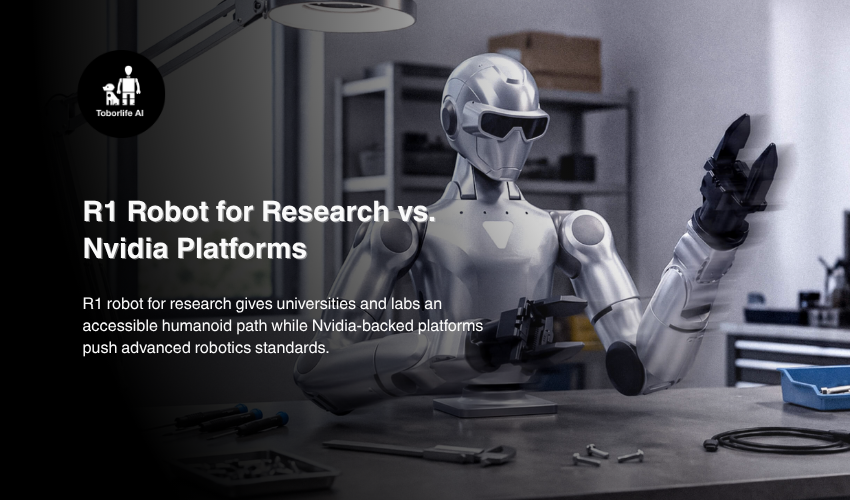
Unitree R1 vs. High-End Humanoid Robots: Is the $4K Robot the Real Disruptor in 2026?

  • By Toborlife AI
  • May 11, 2026
  • R1 robot for research
  • No comments

The humanoid robot market has always been defined by one thing. High cost. That is exactly what Unitree Robotics is trying to break with its global launch of the R1, priced around $4,000 to $5,500.

This puts the R1 robot for research into a completely different category compared to legacy humanoids that often cost $20,000 to $50,000.

So the comparison is no longer just robot vs. robot. It is affordability vs. capability. 

Let’s break it down.

Discover how robots can better your life!

See Details

Quick Comparison: R1 vs. Traditional Humanoids

CategoryUnitree R1High-End Humanoids
Price~$4K–$6K$20K–$50K+
Target UsersDevelopers, schools, labsEnterprises, advanced research
MobilityStrong agility, dynamic motionAdvanced but costly
AI FeaturesVoice + image recognitionAdvanced but expensive stacks
AvailabilityGlobal consumer rolloutLimited production

What Makes Unitree R1 Different?

The R1 robot for universities fits directly into robotics labs that need real humanoid systems without enterprise budgets.

The R1 is not trying to replace industrial humanoids. It is targeting access.

  • Around 4 feet tall and ~25 kg, making it compact and portable
  • 26 joints enable dynamic movement like running, balancing, and even cartwheels
  • Multimodal AI supports voice and image recognition for interaction


This is where the positioning becomes clear. The R1 is a developer-first platform, not a household assistant.

Where Does Unitree R1 Gain the Advantage?

The momentum is clearly shifting toward accessible humanoid platforms. Unitree Robotics available at Toborlife.ai is positioning the R1 as a practical entry point into real-world robotics, not just a limited prototype.

Here is where the R1 stands out:

  • Optimized performance for learning, testing, and rapid iteration
  • Compact design that fits real lab and classroom environments
  • Ready for hands-on deployment without enterprise-level infrastructure


While larger humanoid robots focus on maximum power and industrial-scale tasks, the R1 focuses on usability and reach. That difference matters for developers, educators, and researchers who need consistent access, not restricted pilots.

Instead of chasing peak specifications, the R1 delivers something more impactful. It puts humanoid robotics into more hands.

How Does Unitree R1 Bring Real-World Impact?

For Research Labs

The R1 robot for research creates a new entry point. Labs can now test locomotion, perception, and AI models on real humanoids instead of simulations.

For Education

 R1 robot for education bridges a major gap. Schools can move beyond basic coding robots to real humanoid systems that support AI interaction.

For Developers

The R1 enables experimentation with:

  • Multimodal AI integration
  • Navigation and balance systems
  • Human-robot interaction


Toborlife AI: Accelerating Your Robotics Adoption 

At Toborlife AI, the focus is on helping teams move from simple kits to real, deployable robot systems. The goal is clear. Make advanced robotics easier to access, test, and scale. 

With us, you can have:

  • Access to advanced humanoid options like R1 Basic for hands-on development
  • Curated robot selection built around real research and education use cases
  • Guidance for universities, labs, and developers entering humanoid robotics


Final Verdict

The comparison is clear.

High-end humanoids still lead in capability. But the R1 is redefining access.

The R1 robot for research is not designed to be the most powerful system. It is designed to be the most accessible and usable platform for real-world experimentation. In 2026, that shift opens the door for more developers, more labs, and faster innovation.

If you are ready to explore humanoid robotics for your projects, Toborlife AI can help you get started with the right platform. Reach out to our experts to discuss your use case and find the best robot setup for your needs.

Ready to make this robot yours?

Shop Now
robot-dog-for-school

Robot Guide Dogs vs. Classroom Robots: Which Teaches Better in 2026?

  • By Toborlife AI
  • May 4, 2026
  • Uncategorized
  • No comments

A new class of robots just changed the conversation.

Researchers recently demonstrated a robot guide dog powered by GPT-4 that can navigate spaces and talk to users in real time. It does not just follow commands. It explains surroundings, answers questions, and guides users through complex environments.

This is not a classroom toy. It is a real-world intelligent system.

So here is the real comparison that matters in 2026.

Do schools need traditional educational robots, or should they move toward advanced systems like a robot dog for school that combine AI, mobility, and interaction?

Discover how robots can better your life!

See Details

The Core Difference: Learning Tools vs Real Systems

Let’s get clear on what we are comparing.

Educational Robots (Classroom Model)

These are designed for structured learning. Students code actions and see predictable results.

Robot Guide Dog Systems (Real AI Model)

These combine robotics + GPT-level AI. They can:

  • Ask users where they want to go
  • Describe environments like “long corridor” or “open lobby”
  • Respond to voice commands dynamically

This is a completely different level of interaction.

Intelligence: Scripted vs Conversational AI

This is where the gap becomes obvious. In testing, the robot guide dog handled 77 navigation scenarios successfully using AI-driven commands.

Educational Robots

  • Pre-programmed behaviors
  • Limited commands
  • Focus on coding basics


They are great for introducing logic.

Robot Dogs with GPT-4

  • Natural language conversations
  • Context-aware responses
  • Real-time explanations


Mobility: Desk-Based vs Real-World Navigation

Most educational robots stay on desks or classroom floors.

Robot guide dogs operate in real environments.

They can:

  • Navigate multi-room buildings
  • Detect obstacles
  • Guide users through unfamiliar spaces

This matters for learning.

Students are no longer just programming movement. They are working with systems that interact with the real world.

This is why advanced university robots are shifting toward mobile AI platforms instead of static kits.

Learning Experience: Passive vs Interactive

Traditional Classroom Approach

  • Step-by-step instructions
  • Fixed outcomes
  • Teacher-led structure


AI Robot Dog Approach

  • Students ask questions
  • Robot responds in real time
  • Learning becomes exploratory

Participants in testing preferred combined verbal + physical guidance, not just movement alone.

That same principle applies in education. Interaction drives engagement.

Discover how robots can better your life!

See Details

Cost vs Capability: Where Schools Need to Decide

Educational robots are:

  • Affordable
  • Easy to deploy
  • Designed for scale in classrooms

Robot dog systems are:

  • More advanced
  • Closer to real industry use
  • Capable of multiple applications

But here is the shift.

As AI and hardware improve, programmable robots for schools are moving toward hybrid systems. Not just coding kits. Real robots with intelligence layers.

Where Each One Fits

Choose Educational Robots If You Need:

  • Basic coding education
  • Structured classroom lessons
  • Entry-level robotics programs


Choose Robot Dogs If You Need:

  • AI + robotics integration
  • Real-world problem solving
  • Advanced STEM learning environments


Toborlife AI Perspective: From Learning to Real Deployment

At Toborlife AI, we see a clear transition happening.

Education is moving beyond simplified tools. Schools now want systems that reflect real-world robotics.

That is where robot dog platforms come in. They bridge the gap between:

  • Learning concepts
  • Applying them in real environments


We help institutions explore solutions that combine programmability, mobility, and AI interaction. The goal is simple. Prepare students for how robotics actually works today.

Final Verdict

This is not a close comparison. Educational robots still play an important role. They teach fundamentals. But robot guide dogs powered by GPT-4 represent the next phase.

They:

  • Understand language
  • Navigate real spaces
  • Interact like intelligent systems


That changes how students learn.

At Toborlife AI, we are seeing more schools and institutions explore this next step. From advanced robot dogs to interactive AI systems, the focus is on giving students access to technology that reflects real-world applications.

If you are looking to upgrade your robotics program, our experts can help you find the right balance between foundational tools and advanced platforms.

Ready to make this robot yours?

Shop Now
robot-dog-for-home security

AI Robot Dogs vs. Guards: Expecting A Security Shift in 2026?

  • By Toborlife AI
  • April 22, 2026
  • security robots
  • No comments

Atlanta is no longer testing robotic security. It is deploying it at scale.

Across apartment complexes, parking lots, and construction zones, AI-powered robot dogs are now part of daily patrol operations. These machines move through real environments, stream live video, and allow remote monitoring teams to respond instantly.

This shift is not experimental. It is operational now. And it is changing how people think about security on the ground.

Discover how robots can better your life!

See Details

From Human Guards to Autonomous Patrol

Security has always depended on human presence. Guards walk routes, monitor spaces, and respond to incidents. But this model comes with limits.

Costs are high. Coverage is inconsistent. And scaling requires more people.

Robot dogs are now stepping into that gap.

They bring:

  • 24/7 uptime with no fatigue
  • Real-time video feeds from multiple angles
  • Remote control access for fast response


This is why property managers in Atlanta are adopting them. The value is immediate and measurable.

What These Robot Dogs Are Actually Doing

These are not static systems. They are active patrol units.

In Atlanta deployments, robot dogs are:

  • Navigating apartment complexes during night patrol
  • Monitoring parking areas for unusual activity
  • Inspecting construction sites after hours


They are equipped with cameras and sensors that continuously send data back to human operators. If something looks off, operators can step in and take control.

This creates a hybrid model. Machines handle the movement and monitoring. Humans handle decisions.

Why This Model Is Scaling Fast

The biggest driver is cost efficiency.

Traditional security requires multiple guards across shifts. That adds up quickly. Robot dogs reduce that dependency.

For many use cases, a robot dog for home security like Homedog Pro or small property patrol can deliver similar monitoring at a fraction of the long-term cost.

There is also consistency. Robots do not miss patrols. They do not get distracted. Every route is covered as planned.

This reliability is a key reason adoption is growing.

Technology Behind the Patrol

The effectiveness of these robot dogs comes from their tech stack.

They combine:

  • High-resolution cameras for live streaming
  • Sensors for obstacle detection and navigation
  • AI systems for basic decision support


Operators can access feeds remotely and control the robot when needed. This makes them more than just cameras on legs. They are mobile surveillance systems.

Compared to traditional security robots, robot dogs bring more flexibility. They can move through tighter spaces and handle uneven terrain.

Public Reaction and Open Questions

Not everyone is fully comfortable with robotic patrol.

There are concerns around:

  • Privacy and constant surveillance
  • How data is stored and used
  • The long-term role of robotics in public spaces


At the same time, many see the benefits. Increased safety. Lower costs. Faster response times.

Atlanta is becoming a real-world test case for how cities balance these factors.

What This Means Going Forward

The key takeaway is simple. AI-powered patrol is no longer limited to high-end facilities. It is entering everyday environments.

Apartment managers, site operators, and even homeowners are starting to explore robotic security options.

The line between consumer and enterprise solutions is also starting to blur. What was once enterprise-only is becoming accessible at smaller scales.

This opens the door for wider adoption of both security robots and more compact robot dogs.

Final Take

Atlanta is showing what modern security looks like in action.

Robot dogs are not replacing humans. They are extending coverage and improving efficiency. They handle routine patrol tasks while humans stay focused on critical decisions.

As this model gains traction, Toborlife AI is making it easier for businesses to step into this space. From agile robot dogs to scalable security robotics solutions, the focus is on real-world deployment that fits everyday environments.

If you are considering bringing robotic security into your operations, you can connect with our experts to explore the right setup for your needs. Our team can guide you through available options, use cases, and deployment strategies based on your space.

As technology continues to evolve, this approach will expand into more cities and industries.

The shift is already happening. The only question now is how quickly others will follow.

Ready to make this robot yours?

Shop Now
Unitree-G1

Future vs. Now: Tesla Optimus Gen 3 vs. Unitree G1 in 2026

  • By Toborlife AI
  • April 13, 2026
  • unitree G1
  • No comments

Tesla Optimus Gen 3 is getting a lot of attention in 2026, and for good reason.

Reports now suggest Tesla’s latest humanoid is moving into initial production this summer, bringing the company one step closer to turning Optimus into a real deployable platform. That sounds big, but in the humanoid race, production headlines and actual access are not always the same thing.

That is where the comparison gets more interesting. While Tesla is still entering early production, platforms like the unitree g1 edu are already giving developers, robotics teams, and institutions a more immediate way to work with humanoid hardware right now.

Discover how robots can better your life!

See Details

Tesla’s Big Upgrade Is Dexterity

The biggest Gen 3 talking point is not just the production timeline. It is the hand system.

Recent reporting around Tesla Optimus points to 50 actuators across both hands, designed to push the robot much closer to human-like dexterity. That means better grip control, finer object handling, and more useful physical interaction in factory workflows.

That is a major step forward.

Because in humanoid robotics, movement alone is not enough anymore. The real challenge is manipulation. And Tesla clearly knows that.

Tesla Has the Vision. G1 Has the Access.

This is where the split becomes clear.

Tesla Optimus Gen 3 is still being positioned for internal deployment first, especially in factory environments. That gives Tesla a strong long-term story around manufacturing, AI training, and industrial automation.

But if you are a buyer, developer, or robotics team looking at what is actually usable now, the G1 side of the market still feels much more reachable.

That is the difference:

  • Tesla Optimus = future-facing factory scale
  • G1 = accessible humanoid deployment today


And for a lot of buyers in 2026, that changes the decision completely.

Why This Humanoid Matchup Is Worth Watching

A lot of humanoid coverage still focuses on who has the flashiest demo.

That is no longer enough.

The better question now is: Which platform can people actually explore, test, and work with today?

That is why robots like the unitree g1 ultimate and G1 EDU continue to stay relevant. They give users a way to move beyond concept-stage excitement and into real experimentation, development, and applied robotics work.

That kind of access is a serious advantage.

How Toborlife Connects to This Humanoid Shift

If you are comparing humanoids based on real-world access, Toborlife AI becomes part of the conversation very quickly.

Tesla may be moving into early production, but Toborlife already gives buyers a direct path into the G1 ecosystem. That includes education-ready and developer-focused humanoid options that are much easier to evaluate today.

You can explore the G1 lineup directly on Toborlife.ai and get a closer look at what is available now for robotics labs, institutions, and forward-looking teams.

Our Quick Take on This Humanoid Update

Tesla Optimus Gen 3 entering production is real progress. The hand dexterity upgrades alone show Tesla is taking humanoid usefulness much more seriously.

But in 2026, the humanoid race is still split between what is coming next and what buyers can access now.

Tesla is pushing the future.

G1 is already in the field.

And for anyone ready to explore that side of humanoid robotics today, Toborlife AI offers a much more immediate place to start.

Ready to make this robot yours?

Shop Now
unitree-G1

Who Wins the 2026 Humanoid Race: Unitree G1 or Tesla Optimus?

  • By Toborlife AI
  • April 9, 2026
  • unitree G1
  • No comments

The humanoid robot race in 2026 is getting more real and a lot more competitive. Not every robot is competing on the same timeline. Some are still vision-stage platforms backed by huge promises. Others are already on the market and getting into the hands of developers, labs, and early adopters.

That is exactly why the unitree G1 robot is getting so much attention right now. In this comparison, the biggest difference is not just specs. It is reality. One robot is available now at a far lower entry point, while the other is still being positioned for long-term industrial deployment.

Let’s break down where each one stands today.

Discover how robots can better your life!

See Details

Availability Is Where G1 Pulls Ahead First

This is the most important starting point.

According to Robozaps, Tesla Optimus is still not commercially available as of March 2026, while Unitree G1 is already shipping worldwide and starts at around $13,500 to $16,000, depending on configuration. Tesla’s expected price remains around $30,000, but it is still tied to internal deployment and future rollout plans.

That alone changes the comparison.

If you are trying to actually test, deploy, or buy a humanoid robot today, G1 is already in the conversation. Tesla Optimus is still more of a future-facing bet.

These Two Robots Were Designed for Different Jobs

Tesla Optimus is being shaped around large-scale factory integration. Tesla’s long-term play is clear: connect robotics with its Full Self-Driving AI stack, internal manufacturing systems, and large automation pipeline. That gives Optimus a strong long-term industrial narrative.

The G1 takes a different path.

The unitree humanoid robot is smaller, lighter, and more accessible. It stands at about 127 cm, weighs 35 kg, and is positioned more for research, education, developer use, and light-duty commercial applications.

That makes the G1 much more relevant for users who want hands-on robotics access now, not years from now.

G1 Wins on Agility and Entry Price

This is where the technical split gets more interesting.

G1 robots can reach a top walking speed of 12 km/h, compared with around 8 km/h for Tesla Optimus. It also offers up to 43 degrees of freedom, depending on configuration, while Tesla’s public configurations remain lower on full-body articulation.

That gives the humanoid robot G1 a clear edge in agility and movement density.

And then there is the cost.

For many buyers, the real attraction is the unitree G1 price. It lowers the barrier to entry for universities, robotics teams, labs, and advanced enthusiasts who want a real humanoid platform without stepping into six-figure territory.

Tesla Still Has the Bigger AI Vision

To be fair, Tesla is not losing the narrative battle.

Its biggest strength is not availability. It is ecosystem scale.

Tesla Optimus is expected to benefit from Tesla’s FSD neural network stack, simulation pipeline, and Dojo training infrastructure. That gives Tesla a very different AI runway if it can eventually deliver at scale.

So if you are thinking about long-term factory automation, Tesla still holds a strong upside.

But if you are asking what is usable today, G1 has the clearer answer.

How Toborlife Aligns With the More Accessible Side of Humanoids

If you want to actually explore or buy unitree G1, Toborlife gives you a direct path into the category. The company’s G1 product page highlights features like 23 DOF, 3D LiDAR, depth sensing, Wi-Fi 6, Bluetooth 5.2, and an estimated 2-hour runtime, which also gives buyers a useful snapshot of unitree G1 battery expectations.

That is why Toborlife AI connects well with:

  • robotics educators
  • research labs
  • developers
  • early-stage humanoid buyers


You can explore the G1 directly here:
Unitree G1 Basic Robot. If you need help choosing the right model, you can also contact Toborlife’s robotics team.

Our Verdict on This Humanoid Face-Off

Tesla Optimus still owns a lot of the future-facing attention in 2026. But the G1 is doing something more valuable right now: it is actually available, faster to access, and far more reachable for real buyers.

If your goal is to watch the future, Tesla is still fascinating. If your goal is to work with it now, the g1 humanoid robot is in a much stronger position.

That is what really separates these two robots. One is still on the horizon, while the other is already here. And for buyers who want to move beyond the hype, Toborlife.ai makes the G1 much easier to explore today!

Ready to make this robot yours?

Shop Now
unitree-robot-dog

Unitree Go2 Pro vs. Sony Aibo vs. Loona: Best Robot Dog in 2026?

  • By Toborlife AI
  • April 6, 2026
  • unitree robot dog
  • No comments

The robot dog world in 2026 looks very different from just a few years ago. What used to be simple entertainment devices are now split into very different product types. Some focus on emotional interaction. Others are moving closer to real-world robotics.

That makes choosing the right one more important than ever.

Today’s top options fall into three clear groups. You have expressive home companions like Loona. Premium interactive pets like Sony Aibo. And then you have advanced quadrupeds like the unitree robot dog, designed for real movement and technical use.

Let’s break down how they actually compare.

Discover how robots can better your life!

See Details

The Real Divide Is Companion Tech vs Real Robotics

A lot of robot dog roundups put every model into one list, but these products are not solving the same problem.

Loona and Sony Aibo are designed first for interaction. They are made to feel expressive, entertaining, and emotionally engaging in the home. Loona is known for its voice interaction, autonomous charging, navigation, and family-friendly experience, while Aibo continues to stand out for personality and premium companion design.

Unitree Go2 sits in a different lane.

It is less of a toy or animated pet and more of a real robotics platform. That changes the buying decision completely. If you want movement, sensing, AI capability, and actual physical performance, this is where the category starts to get much more serious.

Why Go2 Pro Feels More Future-Ready

This is where Toborlife AI has a strong advantage.

Most consumer robot pets are optimized for personality first. They are fun, but their physical usefulness is limited. The Go2 line is much closer to what people imagine when they think about the future of embodied AI.

That includes:

  • better mobility
  • stronger terrain handling
  • more technical depth
  • more real-world experimentation potential


Toborlife’s Go2 product lineup
also leans into that more advanced use case. They highlight features like 4D LiDAR perception, wider sensing coverage, stronger compute options, and support for research, education, and applied robotics workflows.

That makes a big difference.

If you want a robot that can do more than entertain, the unitree robot dog category starts to pull ahead fast.

So… Which Type of Robot Dog Is Best?

It depends on what you actually want from the product.

If you want a casual home companion, Sony Aibo and Loona make sense. They are more approachable and emotionally designed for everyday interaction.

If you want a more capable robotics platform, Go2 is the stronger long-term buy.

Here is the simplest way to think about it:

Best for companionship: Sony Aibo or Loona

Best for families and casual use: Loona

Best for advanced robotics and real-world capability: Go2 Pro

How Toborlife Connects to the Next Tier of Robot Dogs

If your interest goes beyond novelty, Toborlife is the more relevant stop.

The company’s Go2 lineup is much better aligned with users who want robotics that feels current, useful, and closer to real deployment. That includes developers, educators, robotics enthusiasts, and buyers who want more than a playful living room gadget.

If you want to explore that side of the market, the Go2-W Smart is a good place to start.

And if you want help choosing the right model for your use case, you can also contact Toborlife’s experts.

Our Verdict on This Robot Dog Face-Off

In 2026, the best robot dogs are no longer competing on the same terms. Some are designed for companionship. Others are designed for capability.

If you want a charming home companion, there are solid options. But if you want a robot that feels closer to the real future of consumer robotics, Go2 Pro stands in a much stronger position. That is where the category starts to feel less like a toy and more like next-gen technology.

If you want to explore the next generation of robot dogs for home, education, or innovation, browse Toborlife.ai today!

Ready to make this robot yours?

Shop Now

Contact Us

Call 408-409-4061 or fill out the form

Floating Contact Form

"*" indicates required fields

This field is for validation purposes and should be left unchanged.
footer-logo
  • instagram
  • Tiktok
  • Facebook
  • X
  • Linkedin
  • Linkedin

LET US HELP YOU

  • Shipping
  • Return & Exchanges
  • Cancel an Order
  • Warranty
  • Payment Information
  • Contact Us

GET TO KNOW US

  • About Us
  • Terms and Conditions
  • Privacy Policy

COMMUNITY

  • Robot News
  • Toborlife Event
  • Book Us for Events
  • Join Our Affiliate Program
All Rights Reserved © 2026.
We are a robotics company based in Mountain View, California, specializing in physical AI and advanced robotic systems. We are not affiliated with similarly named software or SaaS companies.
Scroll to top
TOBoRLife

Can Navigate Rough Terrain

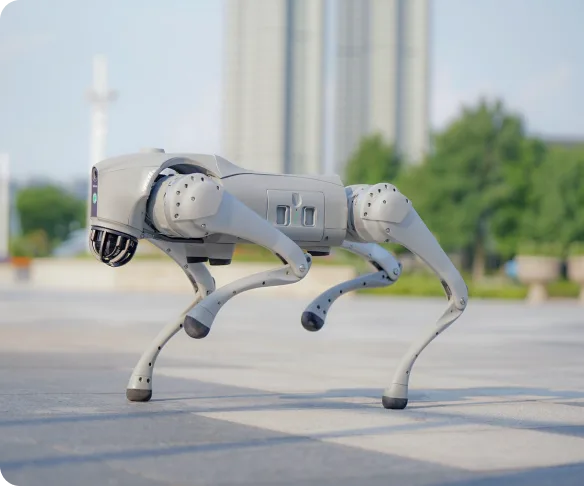
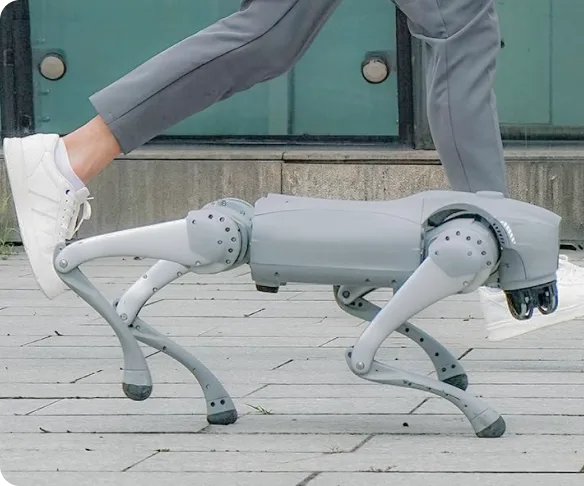
The Home Dog effortlessly maneuvers up and down stairs with precision and avoids obstacles autonomously, ensuring it never collides with walls or objects. Experience a robot designed for real-world navigation and equipped with cutting-edge technology.

TOBoRLife

Playful Entertainment For The Whole Family

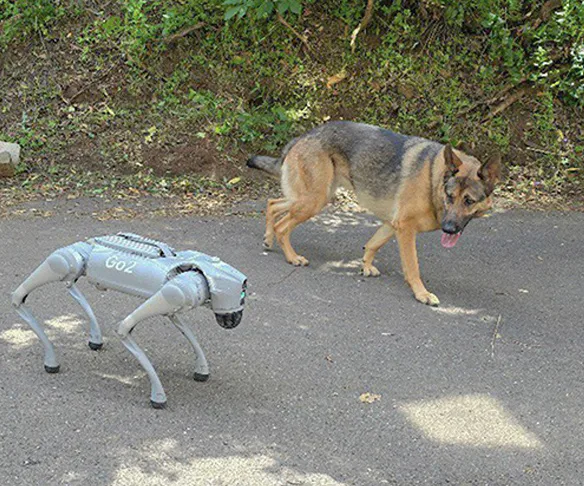
Watch in awe as the Home Dog performs captivating tricks like flips, handstands, and lively dance routines. Plus, its state-of-the-art balancing capabilities ensure smooth and stable movements, making it safe and fun for everyone to enjoy.

TOBoRLife

Camera provides security assistance for your home

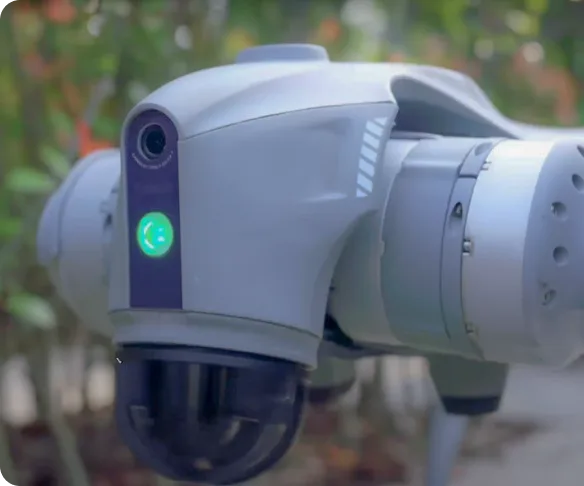
Harness the Home Dog's camera feature for comprehensive home monitoring directly from your smartphone. Utilize this versatile robot as a mobile surveillance device to enhance your home's security.

TOBoRLife

Easy to control

Take charge of the Home Dog robot effortlessly with multiple control options: the bimanual controller, the companion remote control, or the intuitive phone app. When connected to the same WiFi network as the Home Dog, harness the power of voice command via your phone, allowing the Home Dog to respond and interact using ChatGPT.

TOBoRLife

Keeps up with you

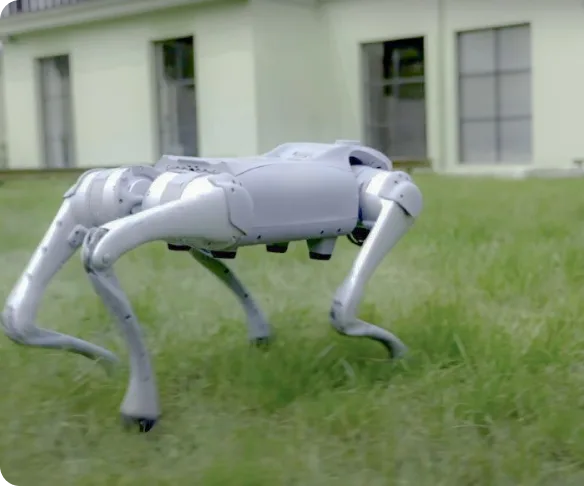
Stay in sync effortlessly with the Home Dog featuring our ISS 2.0 Intelligent Side-Follow System. This innovative technology allows the robot to smoothly track alongside you, matching your pace with precision. Experience seamless companionship and convenience like never before.