What Does a Successful Robotic Inspection Actually Require?
LG Energy Solution’s evaluation of Spot illustrates the requirements behind an industrial inspection program. In September 2026, the company was reported to be testing the robot for energy-storage manufacturing inspections, including checks of electrical connections and installation conditions.
The reported workflow involves predefined inspection routes, camera positioning, and ultrasonic sensing. A separate elevated camera system covers locations beyond the quadruped’s reach. The deployment remains a testing and verification initiative rather than proof that every factory can reproduce its results.
This example highlights an important distinction for procurement teams. Walking between inspection points is only one part of the system.
A complete inspection workflow must establish where the robot travels, what measurements it captures, how those measurements are interpreted, and what happens when the system identifies an abnormal condition.
For an electrical inspection, a standard navigation camera may not provide the necessary image resolution, viewing angle, or measurement capability. The application might require additional visual, thermal, or acoustic sensing.
Buyers should therefore define the inspection task before choosing the robot carrying the sensors.
How Do A2 Pro and Spot Compare in Mobility and Sensing?
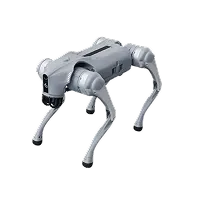
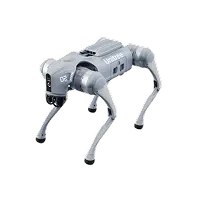
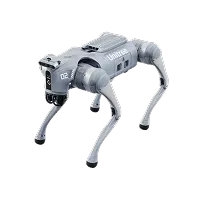
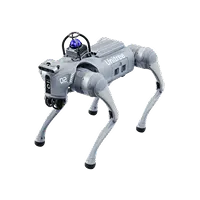
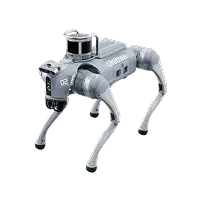
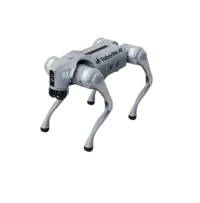
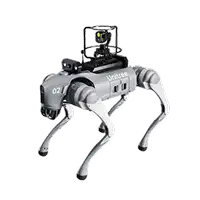
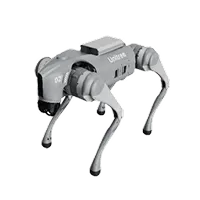
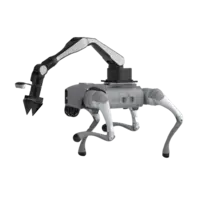
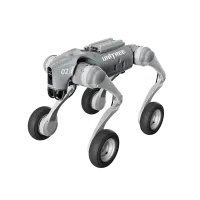
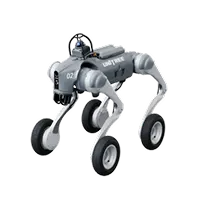
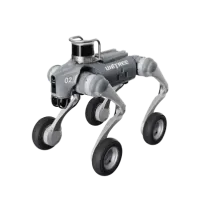
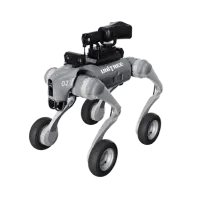
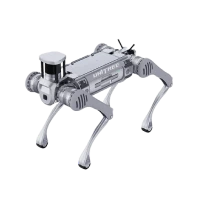
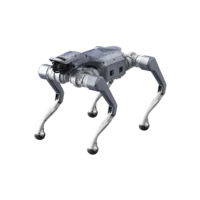
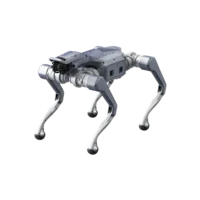
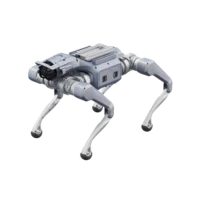
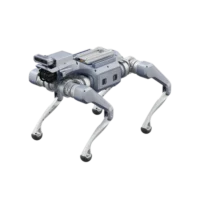
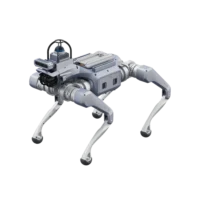
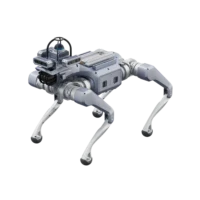
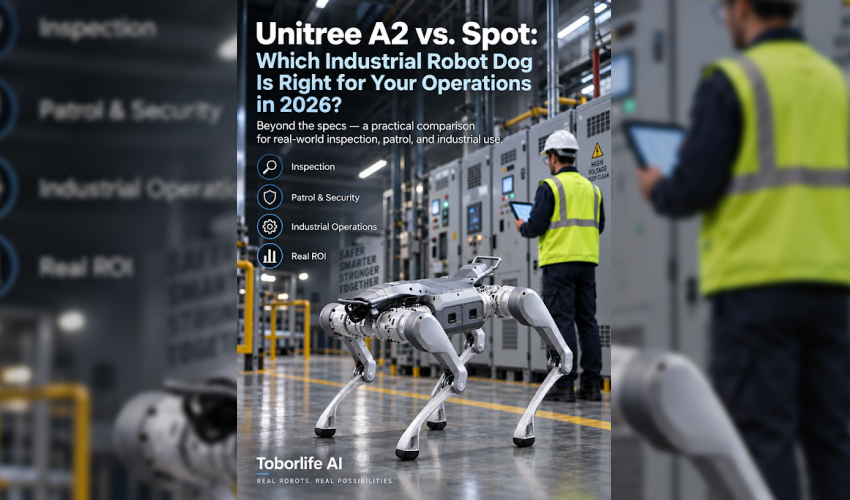
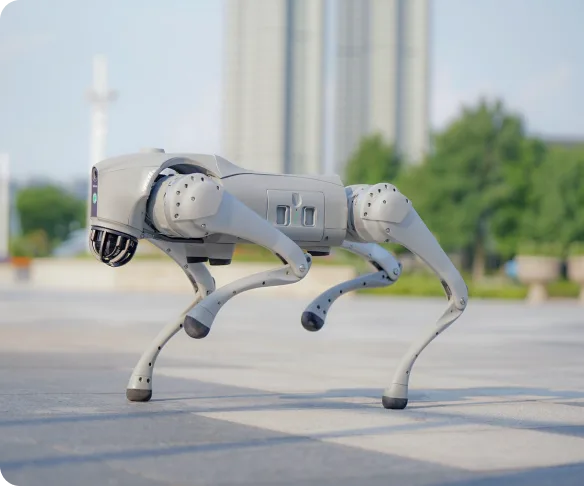
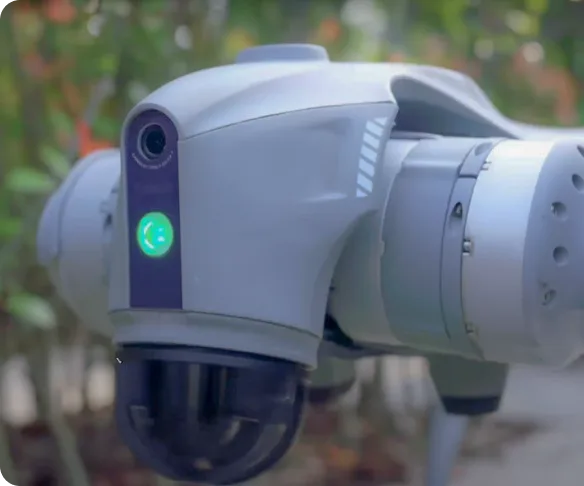
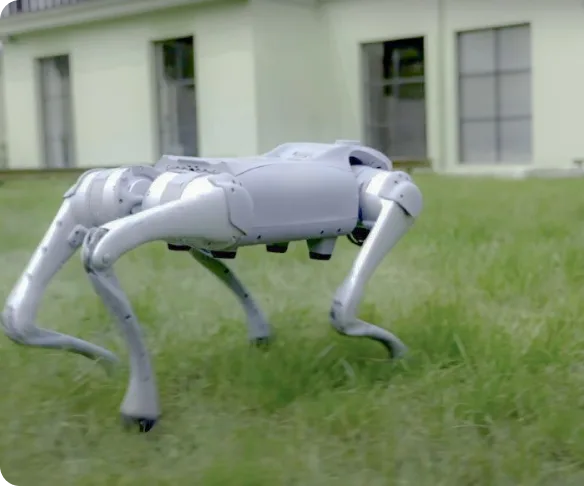
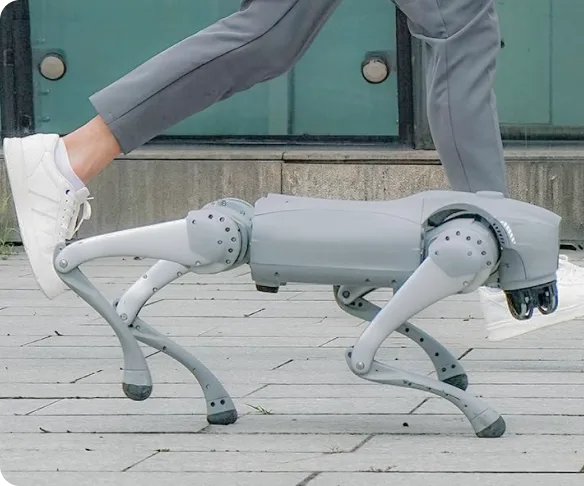
The Toborlife A2 Pro has a four-legged mobility architecture with 12 joint degrees of freedom. Its documented configuration includes two LiDAR sensors, an HD camera, an eight-core CPU, and Intel Core i7 computing for user development.
The supplied product specifications also identify a standing footprint of 820 × 440 × 570 mm and an operating weight of approximately 37 kg with its battery.
These characteristics make the A2 Pro a candidate for projects requiring a mobile sensing platform that can move through defined industrial environments.
Spot approaches the same problem through an established industrial inspection ecosystem. Boston Dynamics documents the robot’s integrated perception, autonomous route execution, and support for optional inspection payloads, including thermal and acoustic instruments. Its Orbit software supports inspection scheduling, data review, and integration with operational workflows.
The distinction matters when planning a deployment. Spot offers documented inspection workflows that buyers can evaluate against their operational requirements. A2 Pro provides hardware and development capabilities that may support a customized inspection system, provided the necessary software and sensor integration are completed.
Neither platform should be selected solely because its mechanical specifications appear suitable for the factory.
Which Robot Offers the Right Sensor and Payload Architecture?
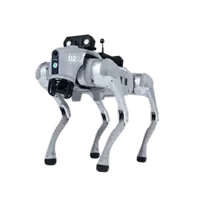
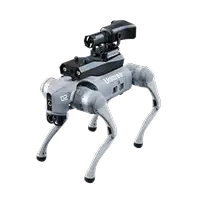
The A2 Robot platform offers expansion interfaces that can support the development of application-specific robotic systems.
For the A2 Pro, Toborlife lists RS485, CAN, Gigabit Ethernet, USB Type-C, and power interfaces. Its documented computing architecture also includes a high-performance expansion dock.
These interfaces matter to engineering teams developing systems that combine mobile navigation with additional sensors or onboard processing.
However, an available interface does not establish compatibility with every third-party sensor. Buyers must confirm mechanical mounting, electrical requirements, communication protocols, software drivers, and the effects of additional equipment on balance and endurance.
Spot has a documented ecosystem of inspection payloads and associated software workflows. Its optional thermal and acoustic equipment can support equipment-condition monitoring, while its inspection software provides a framework for reviewing captured measurements.
That integration can matter when the procurement objective is to establish a recurring inspection program without building every software component internally.
For engineering teams developing specialized perception systems, the A2 Pro’s hardware interfaces create a different opportunity. They can evaluate a custom sensor architecture against their own inspection requirements.
The important comparison is between complete, validated system configurations rather than bare robots with unrelated accessories.
How Do Operating Endurance and Factory Conditions Affect the Decision?
A robot’s published runtime is useful for initial planning, but practical inspection endurance depends on the operating environment.
Toborlife lists more than five hours of walking without a payload for A2 Pro and more than three hours when carrying a 25 kg load. These are stated operating conditions, not guarantees for a factory equipped with additional sensors and continuously running inspection software.
Boston Dynamics documents approximately 90 minutes of typical runtime for Spot, with lower endurance possible when powering payloads.
For buyers, the relevant measurement is how many inspection points a fully configured robot can complete before requiring intervention or recharging.
A longer nominal runtime does not automatically produce higher facility coverage. Route length, inspection dwell time, obstacle avoidance, and the procedures used to recharge or replace batteries all affect performance.
Environmental protection requires equally careful evaluation. A2 Pro’s documentation identifies IP56 protection, with selected core components rated IP67. Spot’s documented ingress protection is IP54. These ratings describe specific protection characteristics and should not be interpreted as unrestricted suitability for hazardous, washdown, or explosive environments.
Factory teams should validate the complete configured system against their actual exposure conditions.
How Should Manufacturers Compare Total Deployment Cost?
For an industrial inspection program, the acquisition of the robot is only one component of total cost of ownership.
A2 Pro buyers developing customized inspection capabilities should account for sensor selection, mounting, software development, navigation validation, data integration, maintenance, and operator training.
Spot buyers should evaluate the robot alongside the applicable inspection payloads, software, charging infrastructure, support arrangements, and integration requirements.
The operational question is how much additional engineering each configuration requires to perform the intended inspection reliably.
A facility with an internal robotics team may have the resources to develop and maintain a customized sensing application. An operations department seeking an established inspection workflow may place greater emphasis on existing software capabilities and documented deployment processes.
Before procurement, both should conduct a controlled site evaluation using the same inspection points, measurement requirements, safety boundaries, and reporting criteria.
Where Does Toborlife A2 Pro Fit Your Inspection Program?
The A2 Pro deserves consideration when the inspection objective calls for a configurable quadruped platform with documented LiDAR sensing, onboard computing, and external interfaces.
A qualified A2 robot supplier should make it possible to evaluate the exact hardware configuration against the project’s mobility, sensing, power, and development requirements. Buyers should also identify which elements of their proposed inspection workflow require separate integration and validation.
For U.S. manufacturers evaluating a customized quadruped inspection project, explore the Unitree A2 Pro at Toborlife AI. Compare its documented configuration against your inspection checklist, then establish the additional hardware and software required before committing to a facility-wide deployment.


Comments are closed for this post.