
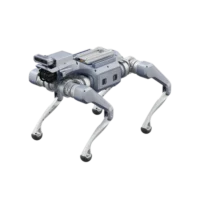
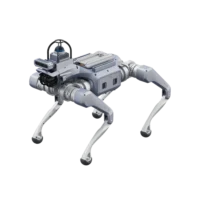
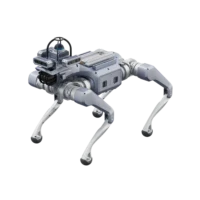
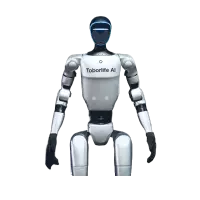
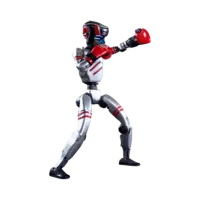
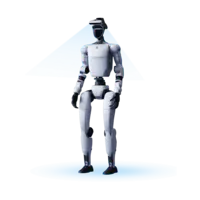
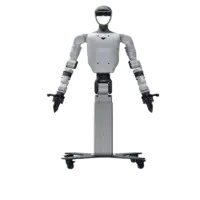
Unitree R1 vs. G1: Which Humanoid Robot Fits Your AI Vision in 2026?
The humanoid robotics market is splitting into two very different categories in 2026. One side is focused on lightweight consumer-friendly robots designed for interaction and accessibility. The other is moving toward advanced humanoid systems built for AI development, robotics research, and commercial experimentation.
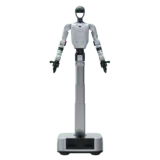
That divide becomes very clear when comparing the G1 and the Unitree R1 Robot.
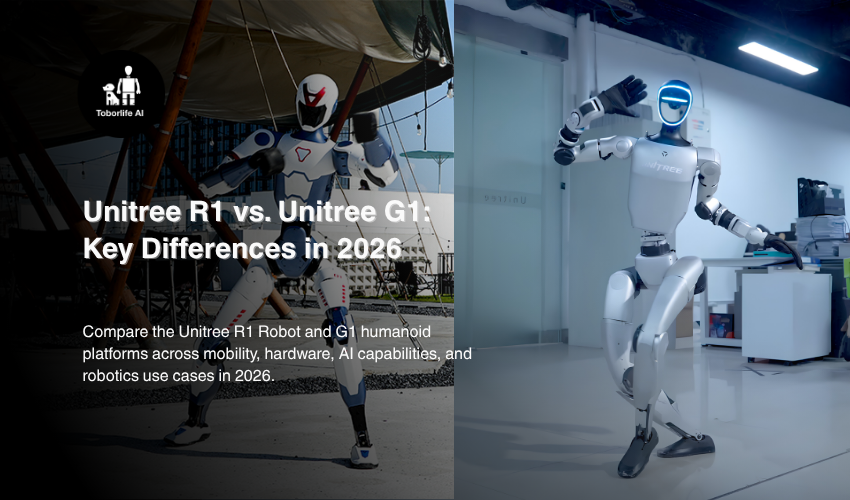
At first glance, both robots look modern, compact, and developer-focused. Once you get deeper into mobility systems, hardware architecture, and programmability, the differences become much more obvious. The R1 is designed as an affordable humanoid entry point with conversational interaction and lightweight movement capabilities. The G1 targets developers and robotics labs that need stronger joints, advanced motion systems, and more flexibility for real AI experimentation.
Below, we’ll compare how these two humanoid platforms differ across performance, deployment potential, and long-term robotics development value.
Discover how robots can better your life!
R1 Targets Accessibility and Entry-Level Robotics
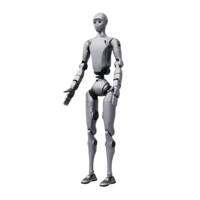
The R1 platform is positioned closer to consumer robotics and lightweight educational deployment. Its smaller size, approachable pricing structure, and interactive design make it attractive for beginners entering the humanoid robotics space.
The robot focuses heavily on interaction and accessibility rather than advanced industrial capability.
Where the R1 Gains the Most Attention
- Entry-level robotics exploration
- Interactive demonstrations
- Educational and hobbyist environments
The latest versions of the R1 humanoid robot also introduce multimodal interaction features and improved conversational functionality, making the platform appealing for public-facing robotics experiences.
For many first-time robotics buyers, portability and affordability remain major advantages.
G1 Pushes Further Into Advanced Robotics Development
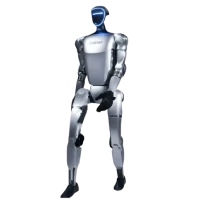
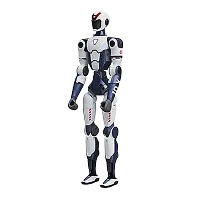
The G1 takes a far more development-oriented approach. Compared to the R1, the robot offers stronger joint systems, more advanced mobility architecture, and expanded programmability for robotics research environments.
The platform is increasingly being adopted across AI labs, universities, and humanoid robotics developers looking for deeper control over movement and experimentation workflows.
Why developers lean toward G1
- Stronger motion performance
- Higher-end robotics development support
- Better flexibility for AI training environments
The G1 Edu Plus configuration is also becoming popular among universities exploring embodied AI, reinforcement learning, and humanoid navigation systems.
This creates a major difference in audience positioning. The R1 feels optimized for accessibility and interaction, while the G1 moves closer to serious humanoid robotics engineering.
Mobility and Hardware Capability Create the Biggest Gap
One of the clearest differences between the two platforms comes down to physical movement capability. The G1 offers more advanced balance control, stronger actuators, and better motion precision for demanding robotics tasks.
The Unitree R1 like R1 Edu Smart configuration takes a lighter and more accessible approach focused on interaction, education, and entry-level humanoid experiences rather than deeper technical experimentation.
Unitree R1 and G1 at a Glance
| Feature | Unitree R1 | Unitree G1 |
| Main Focus | Interaction and accessibility | AI development and research |
| Mobility | Lightweight movement | Advanced humanoid control |
| Best For | Beginners and hobbyists | Developers and AI labs |
| Hardware Strength | Entry-level | Higher-performance joints |
| Programming Depth | Basic interaction workflows | Advanced robotics experimentation |
Toborlife AI Is Powering the Next Wave of Humanoid Robotics
In 2026, the gap between consumer humanoids and developer-focused humanoids is becoming more defined. The Unitree R1 introduces an accessible entry into humanoid robotics, while the Unitree G1 delivers the performance and programmability serious robotics developers are increasingly prioritizing.
As the humanoid robotics ecosystem continues to expand, developers, startups, and research teams are searching for platforms that combine advanced AI mobility with practical deployment flexibility. Through Toborlife AI, users can explore evolving humanoid robotics solutions designed for next-generation development, education, and commercial experimentation.
Teams looking for guidance on humanoid deployment strategies, robotics education platforms, or AI development environments can also contact the experts at Toborlife.ai.