
Is Unitree Go2 Pro a Companion or Research Robot in 2026?
A robot dog companion is easy to understand as a consumer concept. The more important 2026 story is that compact quadrupeds are becoming mobile sensing and research systems for environments where wheels, fixed cameras, and human access create practical limits. The buying decision now extends beyond entertainment into terrain access, sensing, development scope, and the quality of data the robot can produce.
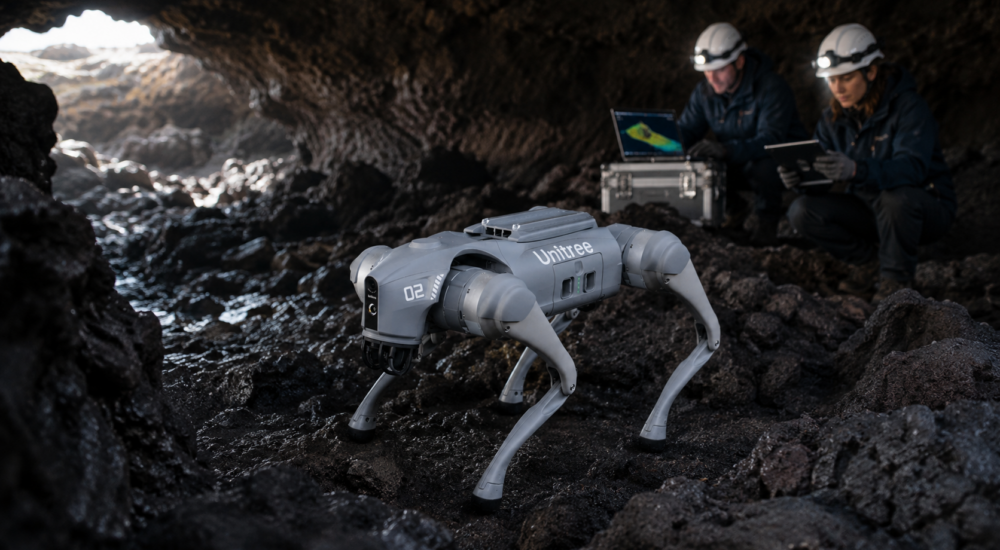
TU Delft researchers recently deployed a Unitree Go2 EDU inside a lava tube in Sicily, using LiDAR, robotic mapping, path planning, and multimodal data collection in an irregular underground environment. The project ultimately produced a coherent point cloud while exposing practical challenges around occlusion, terrain, sensor collection, and autonomous mapping. From Toborlife AI’s buyer side view, that pattern matches where quadruped value becomes commercially interesting. Mobility matters most when it serves a defined sensing, research, or operational objective.
Discover how robots can better your life!
What Does a Lava Tube Reveal About Robot Dog Value?
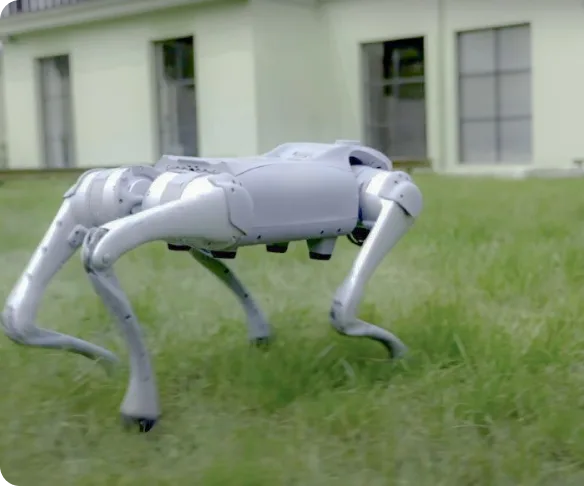
A cave is an extreme test, but the buying logic transfers directly to field research, inspection, robotics education, and experimental autonomy. Uneven surfaces, poor visibility, changing elevation, and incomplete maps quickly expose the limits of conventional mobility.
The boring questions are usually the ones that protect the budget. Can the platform reach the sensing location repeatedly? Can it preserve useful data when terrain changes? Can researchers access the software layer they need? Can the system manage operational edge cases without turning each field session into a recovery exercise?
These questions turn quadruped evaluation into a systems problem. Locomotion carries the sensing stack. Perception describes the environment. Compute processes the incoming information. Development access determines how deeply engineers can modify the system.
Where Does Go2 Pro Fit Best?
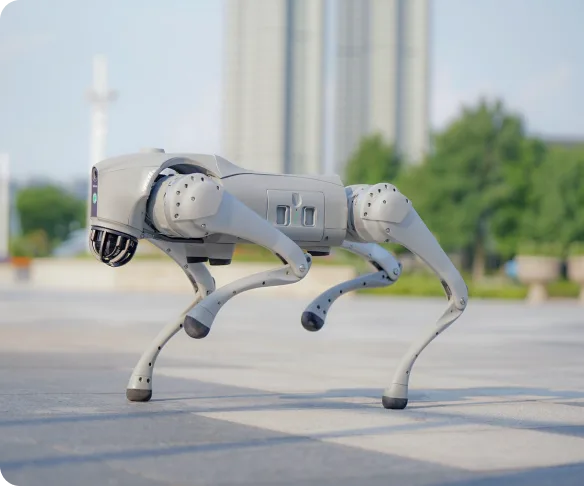
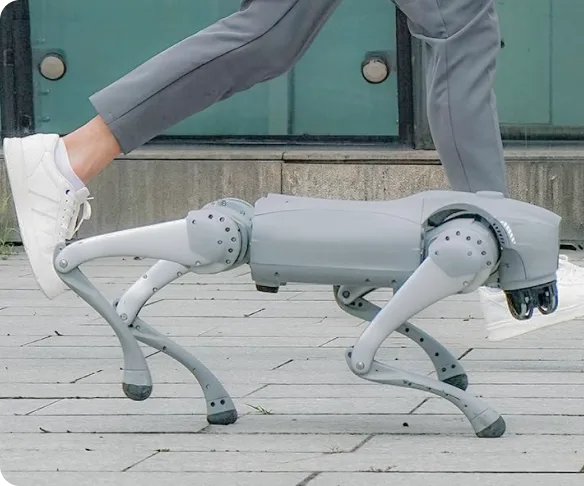
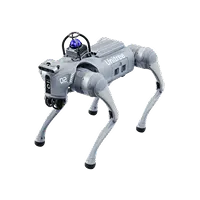
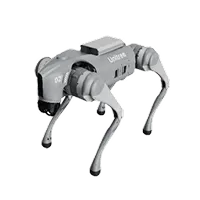
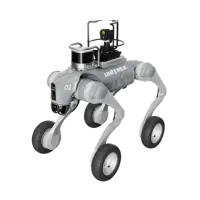
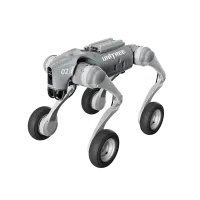
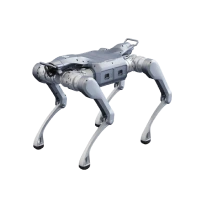
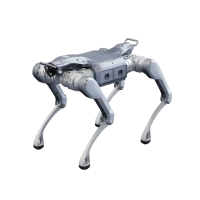
Go2 Pro belongs on the shortlist when the objective is approachable quadruped operation, interactive demonstrations, mobile observation, accessible robotics education, or early evaluation without a custom research stack.
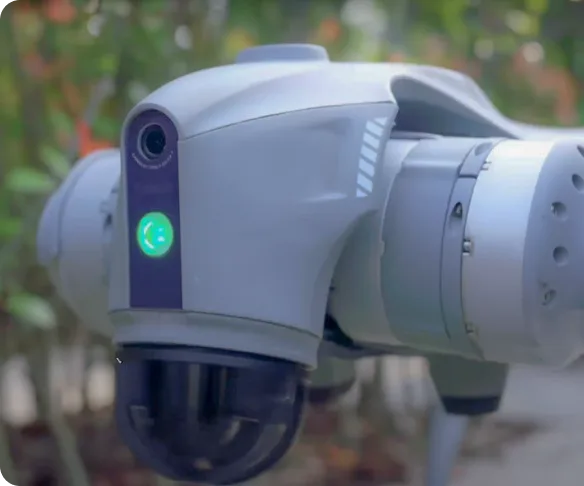
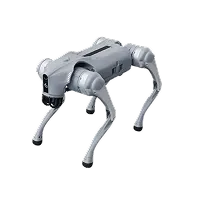
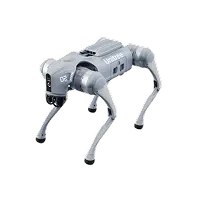
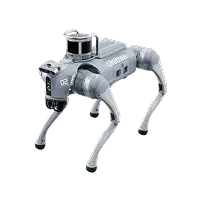
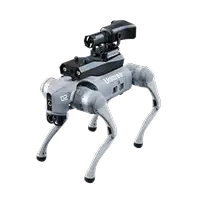
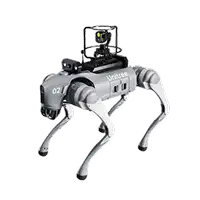
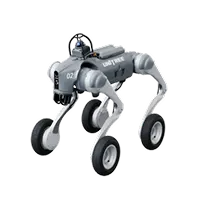
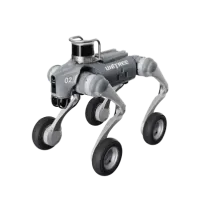
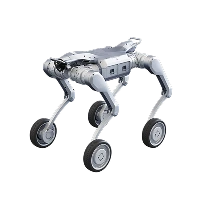
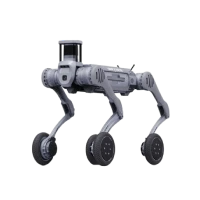
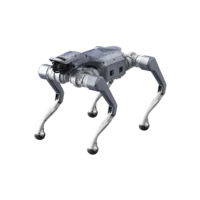
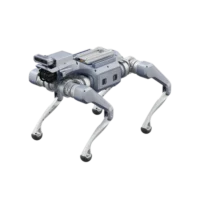
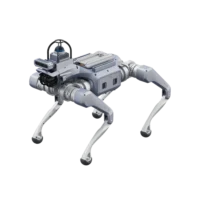
The Go2 Pro configuration solves that exact problem through its compact legged form, integrated 4D LiDAR perception, camera based remote presence, obstacle aware mobility, and companion oriented control layer, giving buyers a capable quadruped without requiring a full research engineering program from day one. Toborlife currently supports the platform through its broader robotics portfolio. Its 4D LiDAR configuration is also documented within Toborlife’s Go2 ecosystem.
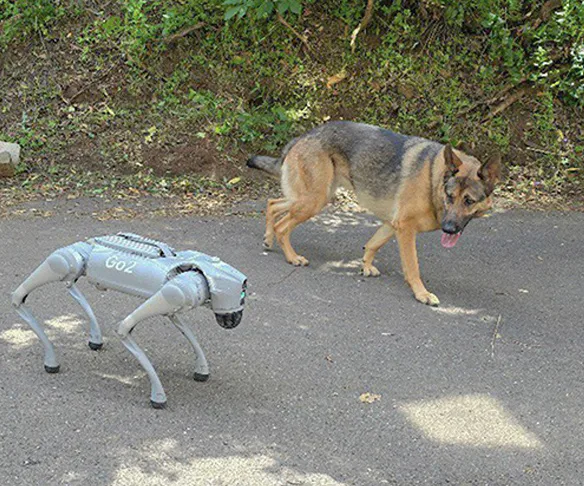
This is where the robot dog companion category remains commercially useful. Museums, events, classrooms, innovation centers, and demonstration environments gain embodied interaction without unnecessary hardware software integration overhead.
When Does Go2 EDU Become the Better Research Choice?
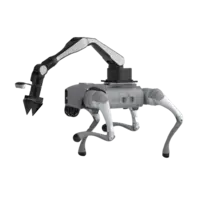
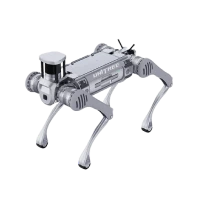
Go2 EDU enters a different procurement conversation. In the TU Delft deployment, the research platform combined LiDAR, expansion compute, ROS 2 communication, and a custom control framework. From Toborlife AI’s perspective, this is the boundary buyers should define before procurement. Is the robot primarily the experience, or is it an embodiment inside a larger autonomy and data architecture?
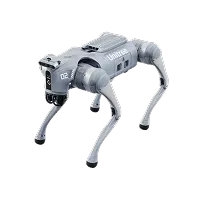
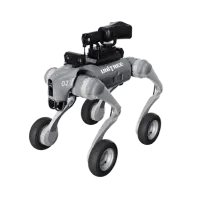
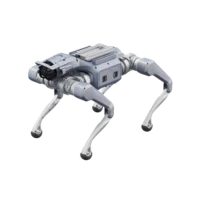
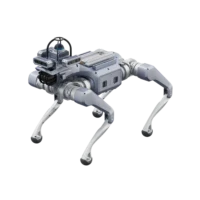
Go2 EDU solves the latter problem through its development oriented configuration and deeper integration path, giving laboratories a quadruped base for mapping, navigation, teleoperation, sensing experiments, and physical AI workflows.
That distinction directly affects embodied AI deployment velocity. A team gains little from complexity it never uses, while a research group loses valuable engineering cycles when the selected configuration blocks the interfaces its experiment requires.
Discover how robots can better your life!
What Does the Price Question Get Wrong?
Search interest around Unitree Go2 pro price reveals strong purchase intent, but the number itself is the wrong starting point. The economic question is what capability the organization needs to own and which technical layers sit outside the project scope.
A demonstration program protects capital efficiency by avoiding unnecessary research infrastructure. A mapping or autonomy program must evaluate Total Cost of Ownership (TCO) across sensing, compute, developer labor, integration, data management, maintenance, and recovery procedures.
Physical datasets make the distinction even sharper. A research platform that captures reusable environmental, motion, and intervention data feeds future model development. An isolated demonstration produces far less compounding technical value.
Is the Unitree go2 robot dog Ready for Serious Research?
Yes, when the configuration matches a bounded research objective. The lava tube deployment is valuable precisely because the environment exposes imperfections rather than hiding them. Researchers dealt with occlusion, sensing constraints, terrain variability, and backup data requirements instead of treating successful locomotion as proof of full autonomy.
That is how credible pilot to production pipelines develop. Teams define the task, instrument failures, collect physical data, improve control, and expand autonomy only when measured performance supports the next step. Deployment friction becomes an engineering variable rather than a surprise after procurement.
What Should Buyers Choose in 2026?
Choose the Pro path when the primary outcome is interaction, demonstration, accessible education, mobile observation, or initial quadruped evaluation. Choose the EDU path when custom development, mapping, field sensing, teleoperation, autonomy research, or repeatable data collection creates the actual value.
For U.S. buyers, Toborlife AI has already done the diligence required to separate these two operating models before hardware enters procurement. That means sensing requirements, development access, software scope, environment, and expansion needs can be treated as one implementation surface rather than discovered piecemeal after delivery.
Teams with a defined environment and data objective can bring those constraints directly into Toborlife’s U.S. procurement process through the Toborlife AI contact page. The objective is to resolve configuration risk while it is still inexpensive, before engineering time and integration budget become committed capital.