Traditional Entertainment Is Familiar
Traditional event entertainment works because people already understand it. A live performer can set the tone for a corporate event. A host can guide the audience through a product launch. A dancer or musician can bring energy to a stage segment.
The limitation is that many event formats now feel predictable. At trade shows, attendees walk past dozens of polished booths. At brand launches, audiences often expect the same lighting, speeches, videos, and photo moments. Traditional entertainment can still be effective, but it may not always create the kind of “stop, film, and share” reaction modern brands want.
That is where robot dancers create a stronger visual break.
Robot Dancers Create a Viral Technology Moment
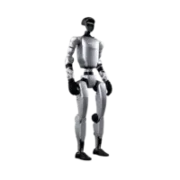
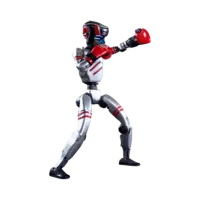
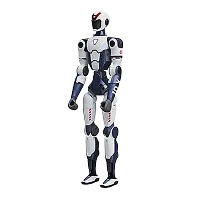
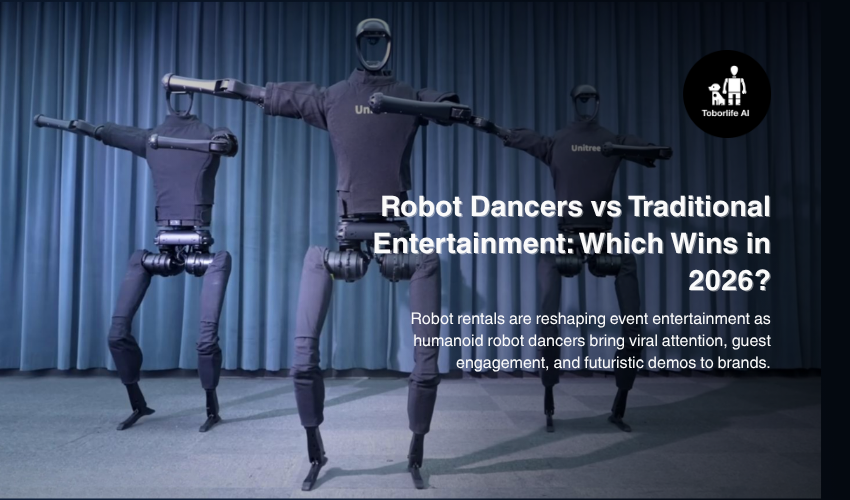
A humanoid robot dancer does more than perform choreography. It turns robotics into a live physical AI experience. Guests can see motion control, balance, synchronization, and human-robot interaction happening directly in front of them.
For event teams asking whether to rent a robot, the strongest value is not only novelty. It is attention density. A humanoid robot can attract booth traffic, support a product reveal, become part of a live demo, and generate short-form social content from the same event moment.
Robot dancers are especially useful for:
- Trade show booth traffic
- Brand launch visibility
- STEM and school demonstrations
- Investor showcases
- Corporate innovation events
- Technology expos
- Interactive guest engagement
In these settings, the robot becomes both entertainment and a message. It shows that the brand is not only talking about innovation. It is placing innovation directly in the room.
Toborlife Humanoid Robots vs Traditional Acts
The best comparison is not simply “robots replace people.” That misses the real opportunity.
Traditional performers create emotional connection. Toborlife humanoid robots create technological presence. For many brands, the strongest event strategy may combine both: a human host, performer, or presenter leading the story while a humanoid robot adds visual impact and future-facing credibility.
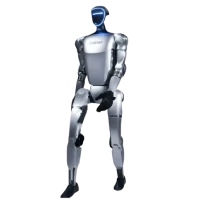
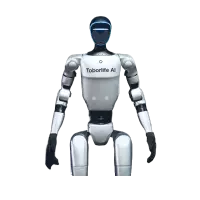
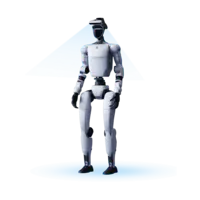
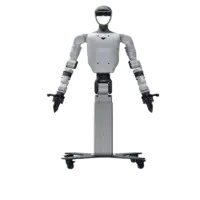
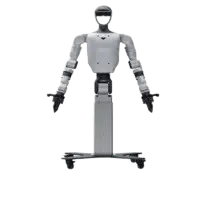
Through Toborlife AI, businesses can explore Unitree-powered humanoid platforms such as the Unitree G1 Edu Pro B, Unitree G1 Edu Pro F, and G1-D models for demos, education, research, and event applications.
For schools, these robots can help students experience robotics beyond classroom theory. For expos, they can create a high-traffic attraction. For product launches, they can make the brand feel more advanced without relying only on screens or slide decks.
When Should Brands Hire Robots for Events?
Brands should hire robots for events when the goal is to make technology visible, memorable, and interactive. A robot dancer works best when it supports a clear purpose rather than appearing as a random gimmick.
A startup may use a humanoid robot to signal innovation during a product reveal. A university may use one to introduce students to coding, motion control, and physical AI. A corporate team may use a robot dancer or greeter to create a futuristic welcome experience at an expo booth.
The key is planning. Event teams should think through stage space, audience distance, demo timing, staff support, lighting, and the story the robot is meant to tell. A well-designed robot experience can feel premium and unforgettable. A poorly planned one can feel like a disconnected hardware demo.
So…Which Wins in 2026?
The most memorable events in 2026 are not just asking people to watch. They are giving audiences something they have never seen in person before. That is why robot dancers win in 2026: event expectations are changing. Audiences are no longer impressed by polished lighting, standard booth setups, or familiar entertainment formats alone. They want experiences that feel current, visual, interactive, and aligned with the way technology now shapes everyday life.
We are entering a new era where technology is not separate from lifestyle, entertainment, education, or brand storytelling. It is part of how people learn, connect, create, and experience the world. A humanoid robot dancer reflects that shift. It turns an event into a live physical AI moment and shows how advanced robotics can serve human imagination across more than just factories or labs.
Traditional entertainment can still create warmth, but robot dancers create future-facing attention. They help brands signal innovation, give audiences something worth filming, and make technology feel present in the room.
That is why Toborlife AI is becoming a practical resource for brands, schools, and event teams exploring humanoid robots. The company helps buyers understand which Unitree-powered platform fits their goals, whether they are planning a trade show demo, STEM event, brand launch, or corporate innovation showcase.
Final Thoughts
The Unitree G1 appearance on America’s Got Talent showed how quickly humanoid robots can move from robotics headlines into mainstream entertainment. For event planners, that moment signals a new category of engagement.
Robot dancers are not just another performance act. They are a physical AI statement.
To explore humanoid robots for your next event, visit Toborlife AI or contact the team through the Toborlife AI contact page to find the right platform for your goals.


Comments are closed for this post.