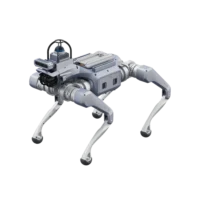
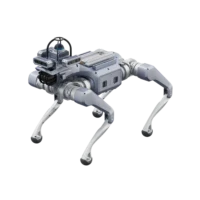
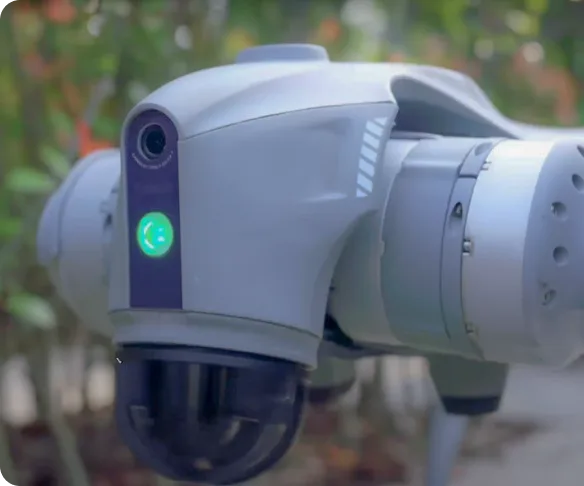
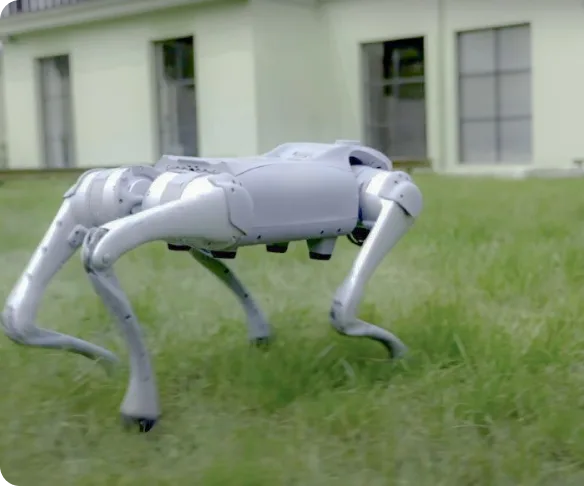
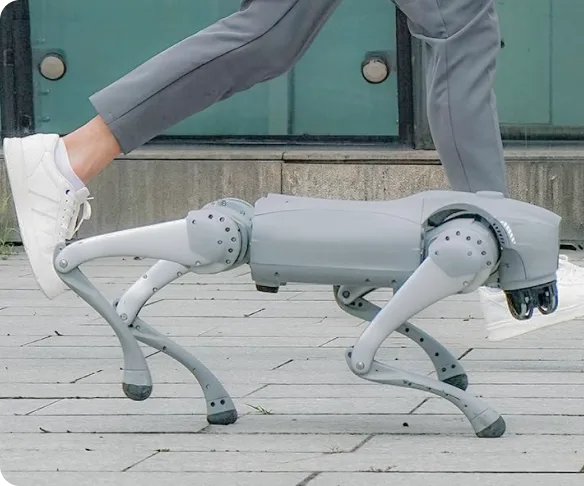
Unitree A2: Built for Lighter Patrol and Inspection
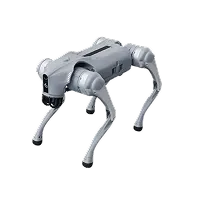
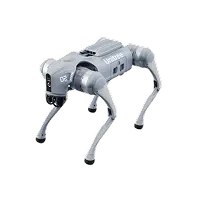
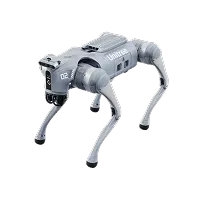
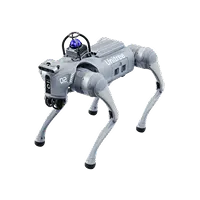
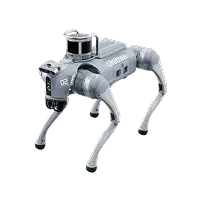
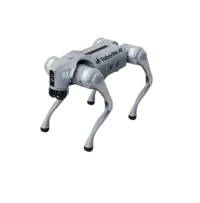
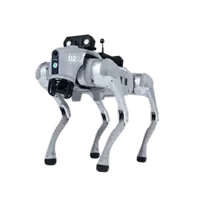
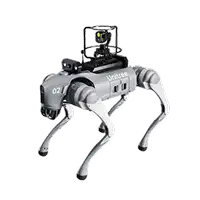
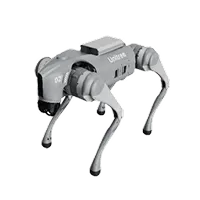
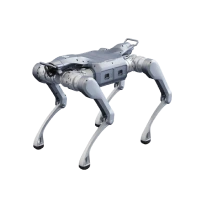
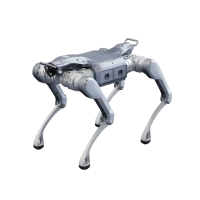
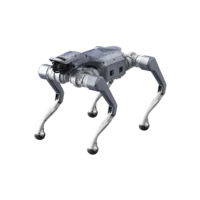
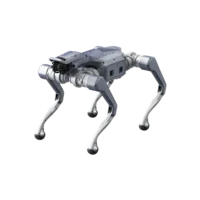
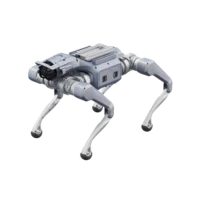
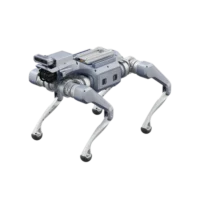
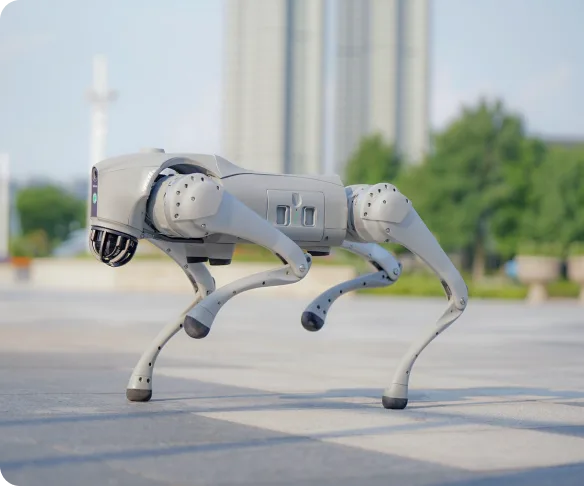
The A2 category is designed for teams that want serious mobility without immediately moving into the heaviest industrial class. The Unitree A2 fits buyers exploring facility patrol, inspection routes, campus security, field testing, and robotics research in a more agile form factor.
That makes the A2 Robot especially useful for organizations still shaping their robotics roadmap. A warehouse team may want to test patrol routes. A university lab may need a quadruped for mobility research. A commercial property team may want better perimeter awareness without deploying a larger, more specialized machine.
The appeal is balance. A2 gives buyers a platform that feels industrial, but not oversized. It can support real-world mobility exploration while remaining approachable for teams that are still learning how robot dogs fit into their workflow.
B2: The Heavy-Duty Field Workhorse
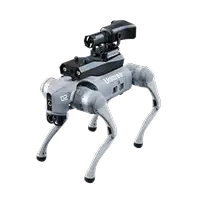
B2 belongs to a more rugged category. It is better suited for buyers who already know they need stronger field performance, heavier payload support, and more demanding patrol or inspection capability.
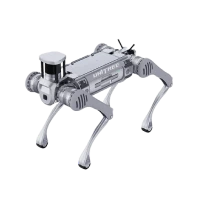
The Unitree B2 is designed for tougher industrial environments where terrain, endurance, payload, and reliability matter more than compactness. For example, a utility site, large industrial campus, construction environment, or remote facility may need a robot dog that can handle more demanding operational conditions.
That does not automatically make B2 the better choice for everyone. It simply means B2 is built for a different kind of buyer. If A2 is the agile patrol option, B2 is the stronger field robot for teams that need more muscle from the start.
A2 vs B2: The Real Buying Difference
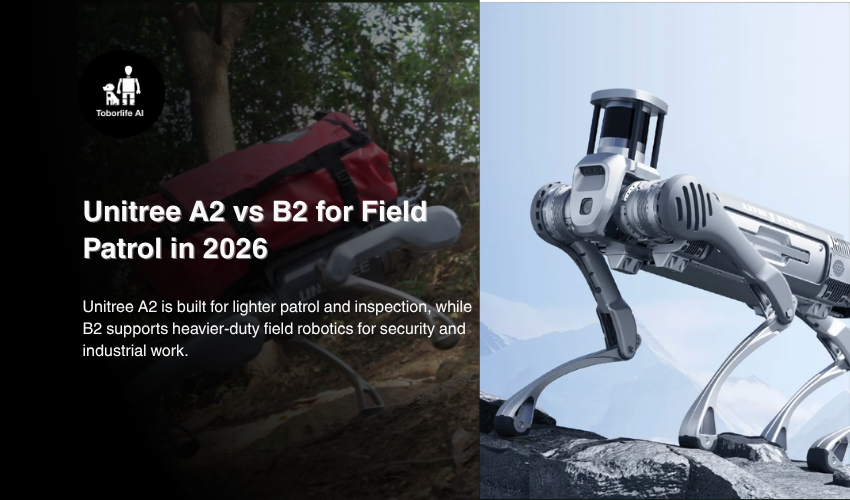
The difference between unitree a2 robots and B2-style platforms is not just size. It is a deployment philosophy.
A2 is for buyers who want mobility, inspection, patrol support, and field testing in a lighter industrial package. It makes sense for teams exploring robot dogs for the first time or expanding into physical AI with a platform that does not feel overly complex.
B2 is for buyers with heavier-duty needs. If the robot must carry more, travel farther, handle rougher environments, or support more demanding industrial patrols, B2 may be the stronger fit.
A simple way to think about it:
- Choose A2 for lighter patrol, inspection, research, and facility awareness.
- Choose B2 for rugged field work, heavier payloads, and demanding industrial environments.
- Choose A2 if flexibility and easier adoption matter most.
- Choose B2 if power and heavy-duty capability matter most.
That clarity matters because many buyers do not simply want a robot dog. They want the right robot dog for a specific operational reality.
Who Benefits Most From A2?
A2 may be the stronger fit for business campuses, schools, research labs, technology teams, and commercial facilities that want a capable quadruped without jumping into the largest field robotics category.
It works well for buyers thinking about:
Perimeter awareness
- Facility inspection
- Campus patrol
- Robotics education
- AI mobility testing
- Product demonstrations
- Research and development
- Early security robotics planning
For these users, the value is not only raw power. It is practical access. A2 can help teams start learning how quadruped robotics fits into real-world spaces before committing to more intensive deployment requirements.
Who Benefits Most From B2?
B2 is better for organizations that need a more forceful industrial platform. That may include large facilities, field operations teams, infrastructure operators, security departments, and industrial buyers that expect tougher environments from day one.
B2 becomes especially relevant when the job involves longer patrols, heavier equipment, rougher surfaces, or more demanding outdoor conditions. It is less about testing the category and more about preparing for serious field use.
In that sense, B2 is not simply “more robot.” It is a different tier of robot dog built for users with heavier expectations.
Why an A2 Robot Supplier Matters
Choosing between A2 and B2 is not always obvious from a product page alone. A buyer may know they need a robot dog for patrol or inspection, but still need help understanding which platform fits their facility, budget, and use case.
That is where working with an A2 robot supplier like Toborlife AI becomes valuable. Toborlife AI helps U.S. buyers explore Unitree-powered robot dogs through a more guided, buyer-facing process.
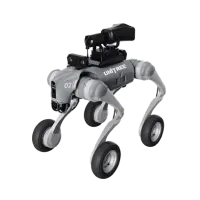
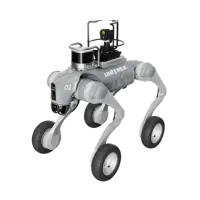
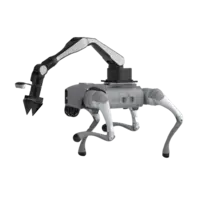
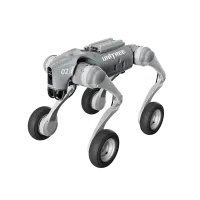
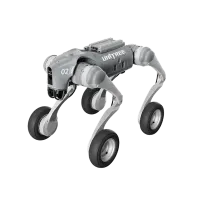
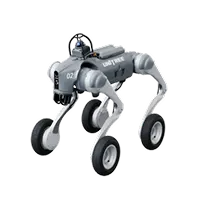
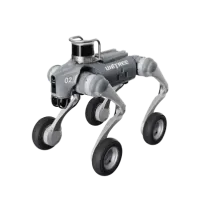
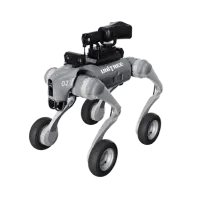
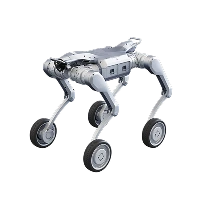
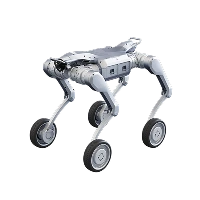
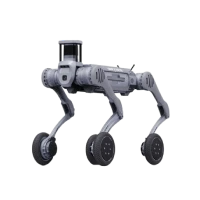
For teams comparing A2 options, Toborlife also offers related platforms such as A2 Pro and A2-W, depending on the user’s needs. Buyers can also explore the B2 category when heavier-duty deployment makes more sense.
Final Thoughts
The Unitree A2 vs B2 decision comes down to how much robot your environment actually needs.
A2 is the lighter patrol and inspection platform for teams exploring commercial security, facility awareness, research, and field robotics in a more agile format. B2 is the heavier-duty field robot for buyers who need stronger industrial capability from the beginning.
For many businesses entering physical AI in 2026, A2 may be the smarter first step. For organizations with tougher terrain, heavier payloads, and more demanding field requirements, B2 may be the better long-term workhorse.
To explore which Unitree-powered robot dog fits your goals, visit Toborlife AI or contact the team through our contact page for more information!


Comments are closed for this post.