High-Cost Humanoids Still Own the Big Vision
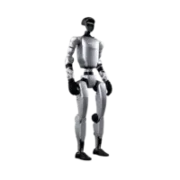
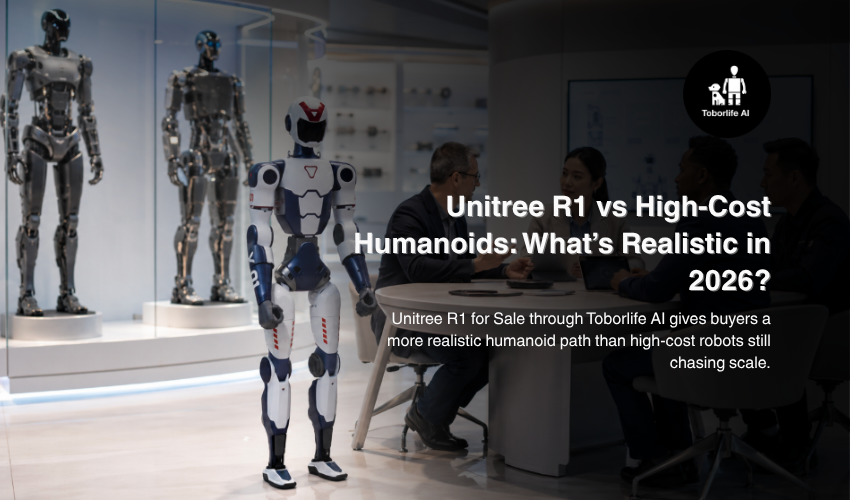
Figure, Tesla Optimus, and 1X NEO all represent serious long-term robotics ambition.
Tesla has the factory automation narrative. Figure is pushing toward general-purpose humanoid labor. 1X NEO is aiming at home assistance and human-centered interaction.
Those are important directions.
But most buyers in 2026 are not making a billion-dollar automation bet. They are trying to understand whether humanoid robotics fits a school, lab, event, demo space, developer program, or early business workflow.
That changes the buying decision.
A robot can have a massive future and still be impossible to buy, test, or justify today.
R1 Wins on Realistic Entry
This is where Unitree R1 starts to stand out.
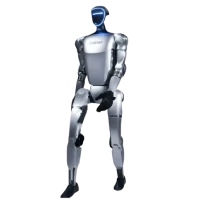
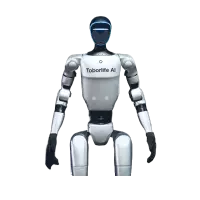
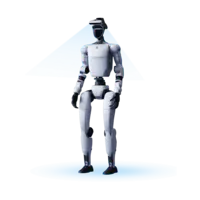
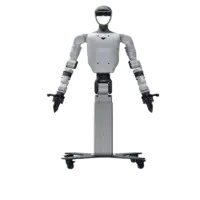
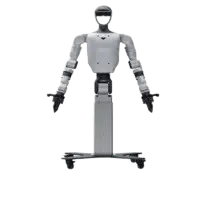
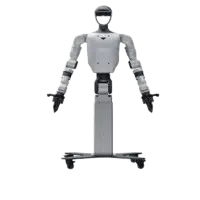
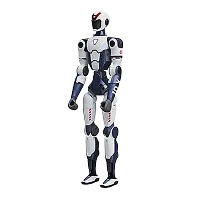
Through Toborlife AI, buyers can explore R1 as a more accessible humanoid pathway instead of waiting for high-cost platforms to become broadly available. The Unitree R1 Basic is listed at $8,990 and includes dummy hands, up to 24 degrees of freedom, an 8-core high-performance CPU, OTA upgrades, Wi-Fi 6, Bluetooth 5.2, binocular cameras, and about 1 hour of battery runtime.
That makes R1 less of a distant robotics promise and more of a deployable starting point.
For schools, creators, small labs, and early-stage robotics buyers, that matters.
The question is not always, “Which humanoid is the most powerful?”
Sometimes it is, “Which humanoid lets us start learning now?”
What Real Buyers Should Care About
The humanoid market generates a lot of noise.
Specs matter, but buying logic matters more.
Real buyers should look at:
1. Availability
Can you actually access the robot, or is it still mostly roadmap?
2. Entry price
Does the cost allow real testing, or does it limit the robot to elite labs?
3. Use-case fit
Is the robot right for education, demos, research, events, or early development?
4. Support path
Can you talk to a supplier who understands model selection and buyer needs?
5. Upgrade path
Can you move from entry-level exploration to more advanced configurations later?
That is why working with an R1 robot distributor matters. The product is only one part of the decision. Buyers also need help matching the robot to a realistic use case.
Where Toborlife AI Fits
Toborlife AI gives U.S. buyers a clearer way into the Unitree-powered humanoid category.
If R1 Basic is the accessible starting point, higher configurations such as R1 Edu Smart and R1 Edu Pro C give teams more room for education, development, and advanced robotics exploration.
That makes Toborlife relevant for:
- robotics educators
- university labs
- STEM programs
- developers
- trade show teams
- early humanoid buyers
- innovation departments
Instead of asking buyers to chase the most expensive robot in the room, Toborlife helps them ask the better question.
What can your team actually use?
Our Verdict on This Humanoid Comparison
High-cost humanoids will keep shaping the future of robotics. They deserve attention.
But in 2026, realistic access matters.
For many buyers, R1 is the smarter starting point because it lowers the barrier to humanoid exploration. It gives teams a way to test physical AI, understand motion, build demos, and start learning without waiting for the most expensive platforms to mature.
If your goal is to watch the future, premium humanoids are fascinating.
If your goal is to begin working with humanoid robotics now, R1 is much easier to justify.
Ready to move from humanoid headlines to hands-on exploration? Visit Toborlife AI to explore R1 models, or contact the team through the Toborlife AI contact page if you are ready to buy R1 robot hardware for your school, lab, event, or robotics roadmap.


Comments are closed for this post.