Why Are Wheeled Security Bots Struggling in Urban Parking Structures?
Most wheeled security robots were originally designed for flat indoor environments like office campuses and warehouse corridors where navigation conditions remain predictable. Multi-level parking garages create a far more demanding environment with steep ramps, damaged concrete surfaces, and narrow turning zones that reduce mobility efficiency.
Unmanned ground vehicles are becoming a major growth segment in the rapidly expanding security robotics market, which is projected to reach $65.80 billion by 2034. That growth is pushing robotics companies to develop more adaptable patrol systems for real-world commercial infrastructure.
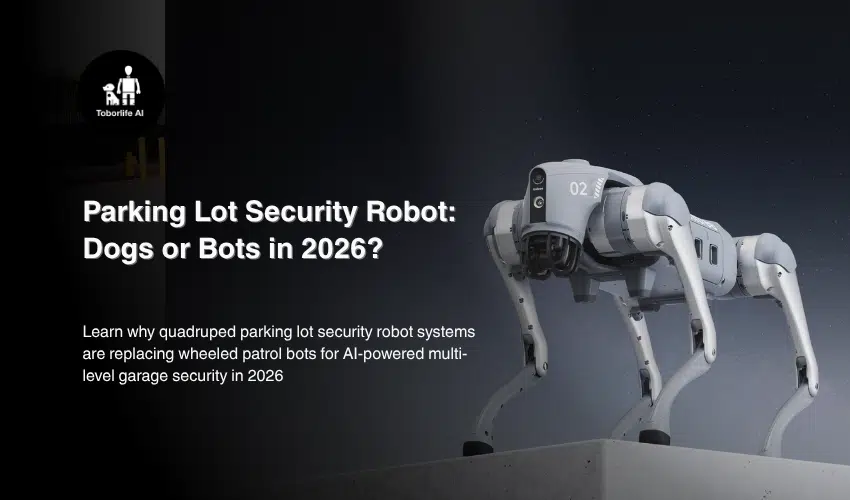
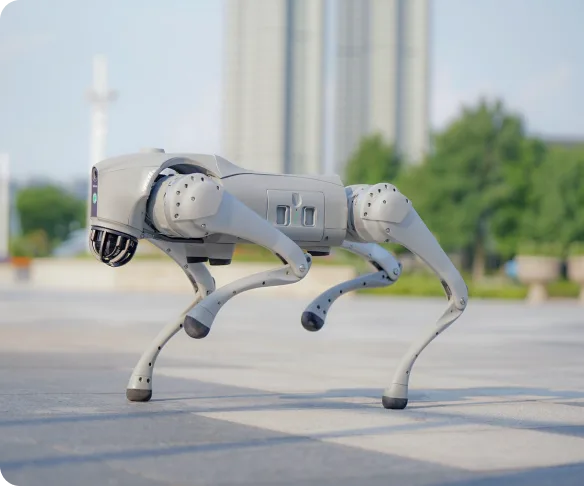
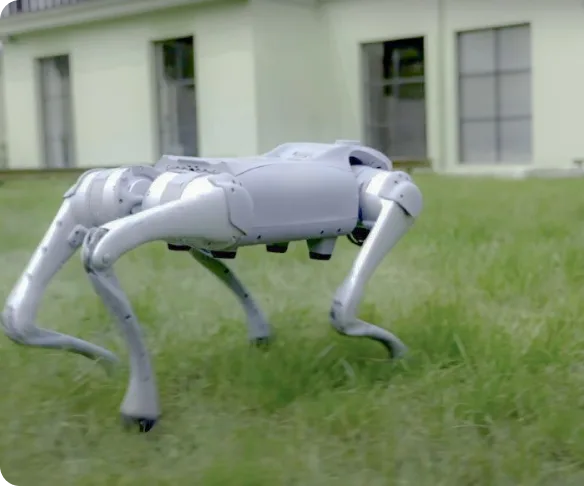
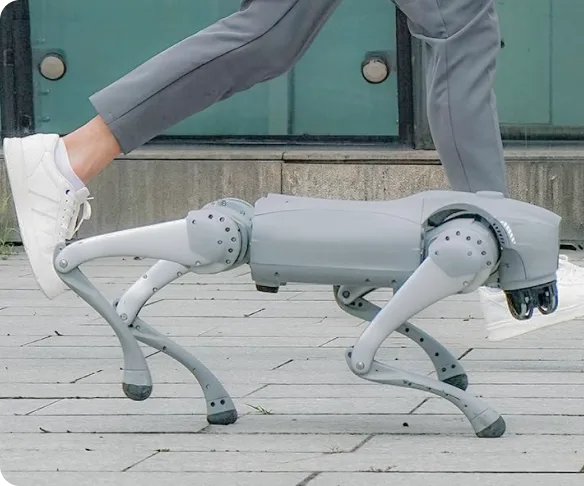
Steep inclines affect traction consistency. Tight turns interrupt mapping performance. Low-light conditions also reduce sensor stability during movement transitions. Quadruped robots are gaining attention because adaptive locomotion handles these environments with far greater flexibility.
Key Operational Advantages Of Quadruped Patrol Robots
- Better mobility across ramps and uneven surfaces
- Improved balance inside narrow parking lanes
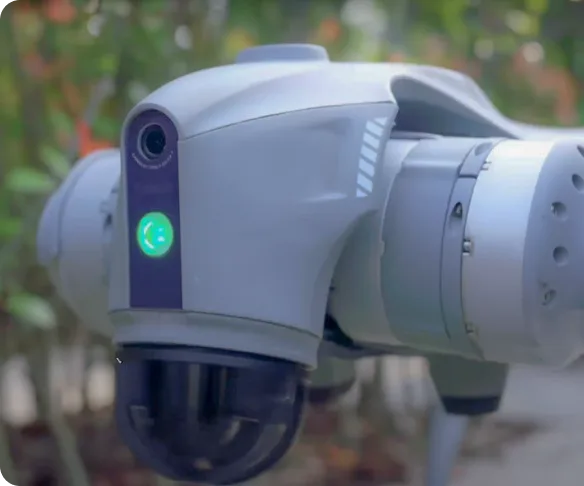
- More stable camera positioning during patrol movement
Why Is AI Mobility Becoming the Competitive Layer?
The security robotics market is no longer only about cameras and monitoring hardware. The current industry race is centered around autonomous movement, edge AI processing, and real-time environmental understanding.
Modern autonomous security robots now combine:
- Lidar navigation
- Thermal imaging
- AI video analytics
- Remote fleet management systems
Quadruped systems bring an important edge because sensor performance remains more stable while traversing difficult terrain. This creates better video capture consistency and stronger environmental awareness during patrol operations.
Several San Francisco property groups are now evaluating robotic dogs specifically for after-hours garage monitoring where visibility conditions become difficult for older robotic platforms.
The rise of AI-powered surveillance is also supporting broader demand for robotic infrastructure monitoring. That trend is accelerating growth in the commercial inspection robots category as facilities search for automation tools that handle both patrol and operational diagnostics.
Toborlife AI and the Market Momentum Behind Security Robotics in 2026
The Fortune Business Insights report highlights strong growth across unmanned aerial vehicles, unmanned ground vehicles, and unmanned marine systems. Commercial security applications are expanding especially fast due to rising labor costs, growing infrastructure footprints, and demand for continuous monitoring.
Silicon Valley robotics companies are responding by focusing on deployment-ready hardware instead of experimental prototypes.
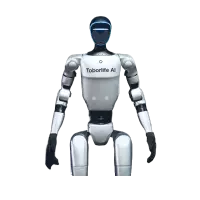
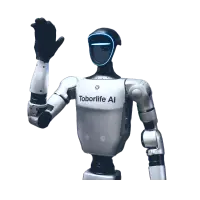
This is where Toborlife AI is gaining attention. Businesses are looking for robotic systems that combine advanced mobility with scalable AI operations across commercial facilities.
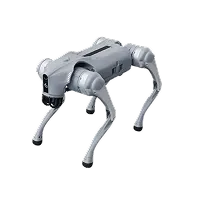
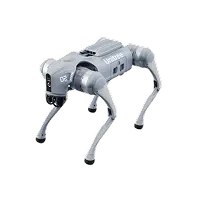
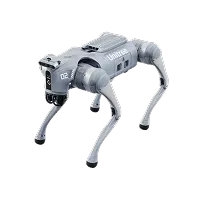
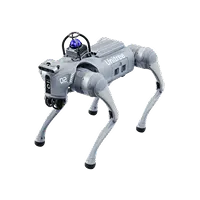
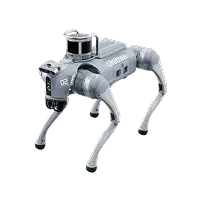
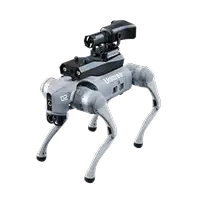
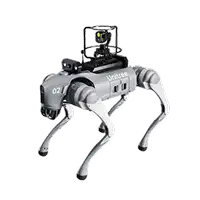
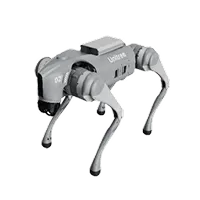
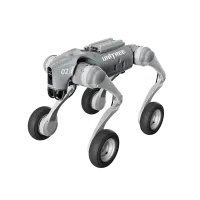
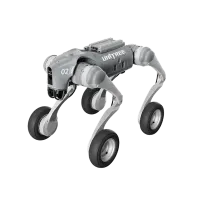
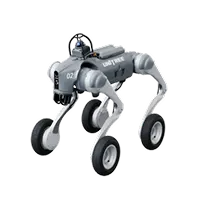
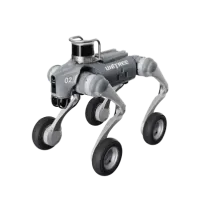
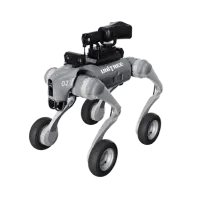
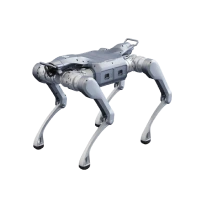
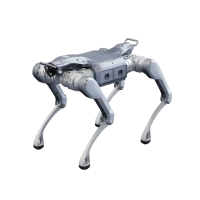
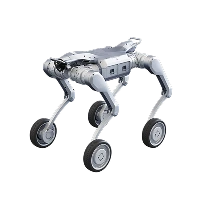
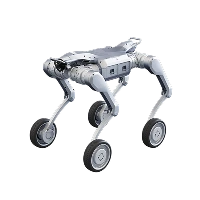
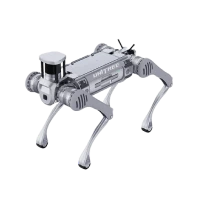
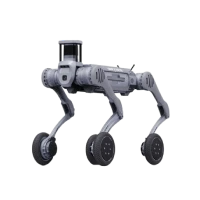
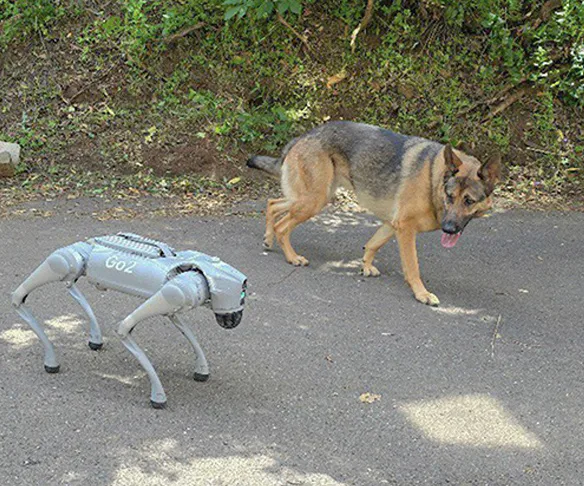
Robots like the Unitree Go2 Ent available at Toborlife AI represent the direction the market is moving toward. Agile movement, compact form factors, and adaptable navigation systems are becoming critical for next-generation patrol robotics.
Is the Future of Parking Garage Security Moving on Four Legs?
Commercial operators are increasingly prioritizing robotic patrol systems with autonomous navigation, faster anomaly detection, and AI-assisted remote monitoring. As urban parking infrastructure becomes more demanding, quadruped robots are emerging as a stronger fit for complex multi-level environments.
Companies exploring next-generation patrol robotics are also paying closer attention to advanced robots available at Toborlife AI as security automation adoption continues to accelerate in 2026.
To explore commercial robotic security solutions for your facility, contact the experts at Toborlife AI.


Comments are closed for this post.