A New Direction in Humanoid Pricing
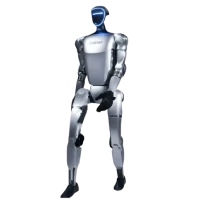
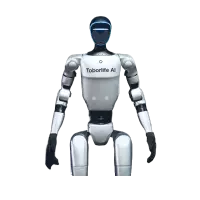
Unitree surprised the industry with the R1’s price. At around 5,900 dollars, the robot is one third the price of the company’s previous G1 model. This reduction reflects a new strategy for making humanoids widely available.
The shift is possible because many core components now cost less to produce. Motors, bearings, and energy systems follow lower manufacturing curves each year. As parts become more efficient, the final robot becomes more affordable. This price shift makes it easier for schools, small teams, and early developers to buy their first humanoid.
More importantly, it pushes the entire robotics community to re-evaluate expectations. High capability no longer requires high cost.
The R1’s Lightweight Frame Makes Movement Easier
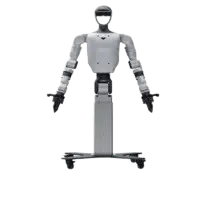
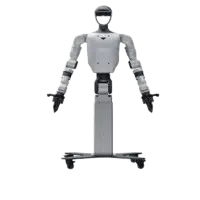
At twenty five kilograms, the R1 is light enough for a single person to handle. This weight opens new use cases. Small labs can move the robot across rooms without heavy lifting gear. Classrooms can store it safely without needing extra support equipment. Instructors can set the robot up for lessons faster.
The lightweight frame also improves performance. Lower mass means cleaner torque distribution and faster rotation results during cartwheels or directional shifts. The robot stabilizes quickly after landing a movement or correcting posture. These characteristics give it a wide range of testing options.
The R1’s ability to perform handstands and cartwheels also shows the strength of its joint design. The robot holds its body through a series of controlled transitions that support balance.
Multimodal Interaction for Training and Early Development
The R1 supports multimodal input. It processes speech and visual data, letting users interact with the robot in more flexible ways. This is useful in educational environments because students can run different tests without reprogramming the robot each time.
This interaction style also helps teaching groups demonstrate control ideas.
The robot becomes a tool for understanding:
- Motion sequencing
- Voice-to-action processes
- Visual interpretation
- Posture planning
- Basic human-to-robot communication
- Procedural instruction
These functions simplify robotics training. Teams using the R1 can explore early stage motion design while focusing on real interaction rather than long setup sessions.
Why Lightweight Humanoids Benefit Education
Humanoid robots were not always ideal for learning environments. They were expensive, heavy, and difficult to maintain. The R1 changes that pattern. Its lower mass, affordable pricing, and flexible interaction modes make it ideal for training groups.
Students learning robotics can explore:
- Balance and coordination
- Joint movement timing
- Motion prediction
- Contact control
- Gesture reactions
- Simple teaching loops
These areas help form a strong foundation for future engineering or robotics careers. Because the robot does not require large budgets, more programs can adopt the technology.
This is why interest in the R1 robot for education continues to rise on toborlife.ai. Many schools and training labs now study the R1 as their first humanoid platform.
Technical Design Choices That Shape Performance of R1
Unitree optimized several areas of the R1’s structure. These changes improve its efficiency and motion reliability.
Key technical elements include:
- Joint Coordination: Each joint responds quickly to directional shifts, supporting clean rotations.
- Weight Distribution: Balanced mass supports stable posture after jumps or wide turns.
- Energy Output: Lower body weight reduces power draw during active movements.
- Mechanical Timing: Fast torque application lets the robot handle advanced poses.
- Center Alignment: The robot maintains body alignment during dynamic motion tasks.
- Runtime Efficiency: The battery provides about one hour of performance for teaching sessions.
Why Compact Humanoids Are Growing in Demand
Compact humanoids like the R1 fit into many use cases where larger robots struggle. They can be placed in labs, classrooms, small workshops, and training areas without heavy safety requirements.
Their smaller size also encourages experimentation. Students and new developers feel more comfortable testing movement sequences. The robot becomes a tool for learning and discovery rather than a system reserved only for advanced users.
This flexibility also expands the market. More teams want to work directly with humanoids now that lighter units provide safe and predictable operation.
How Toborlife AI Helps Buyers Explore the R1
As the R1 gains attention, buyers need guidance on technical specs, range of motion, power features, and use cases. Toborlife AI supports these users by presenting clear performance data and comparison options.
Visitors explore listings to check:
- Movement styles
- Interaction modes
- Energy details
- Compatibility notes
- Use case recommendations
- Pricing tiers
- Teaching potential
Many users searching for an R1 robot for robotics education rely on our site to compare features and plan purchases. Our platform gives teams the information they need to move forward with confidence.
This direct support shortens decision time and increases clarity for first-time humanoid buyers.
Why the R1 Wins With Education and Training Teams
Education programs need reliable and easy-to-use robots. Heavy industrial units are too large or too complex for learning environments. The R1 fits into this space because of its movement flexibility and lightweight structure.
Teams using the R1 benefit from:
- Predictable motion
- Low operational risk
- Flexible training modes
- Room-friendly size
- Simple handling
- Clean programming paths
These traits make the R1 a strong tool for beginners and intermediate learners. They learn concepts faster because the robot responds in ways that show clear physical outcomes.
The Direction Humanoid Robotics Now Moves Toward
Unitree’s R1 marks a new chapter for affordable humanoid robotics. Its movement potential, lightweight design, and accessible price make it suitable for a wide range of training environments.
This makes the R1 valuable not only for research teams but also for schools, clubs, and early development labs. As interest grows, more people explore purchase paths and compare details through toborlife.ai.
Users searching for the R1 robot for education or evaluating options for robotics learning programs rely on our platform to find product details and trusted purchase channels.
Humanoid access is no longer limited to high-budget labs. The R1 opens this space to many more learners and developers.



Comments are closed for this post.