The Real Opportunity Behind the $5.42B Forecast
This growth isn’t just speculation—it’s backed by real demand. Analysts project the entertainment robot market to reach $5.42 billion by 2030, and the growth is already visible in 2025.
What’s driving it? Rising demand for robots that do more than just look futuristic—they engage, entertain, and serve real purposes.
Three areas are leading the way:
- Companion robots are helping with elder care, emotional wellness, and home engagement.
- Educational robots are now part of STEM programs, giving students hands-on learning through coding and AI-based interaction.
- Entertainment robots are appearing at trade shows, retail activations, and events, drawing attention and boosting interaction.
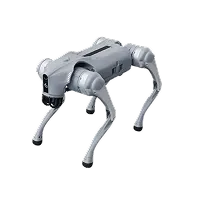
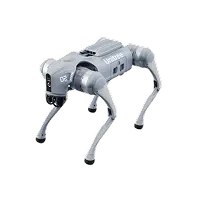
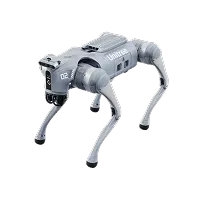
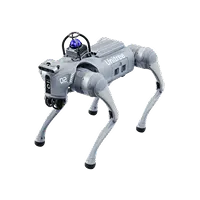
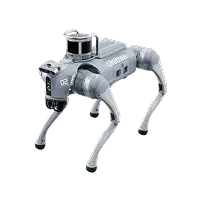
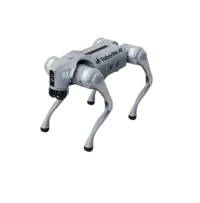
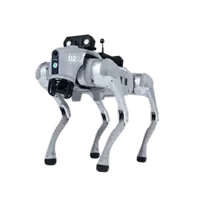
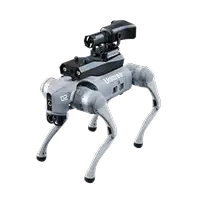
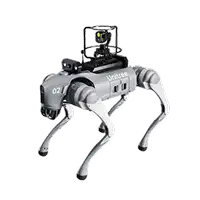
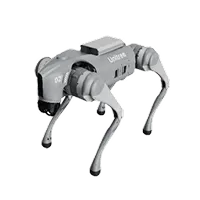
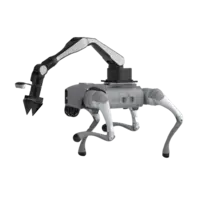
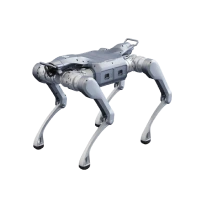
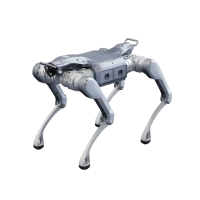
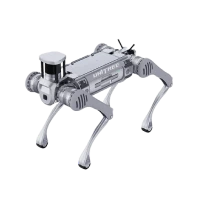
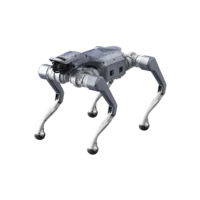
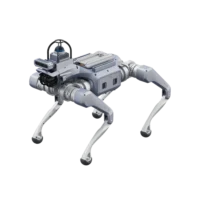
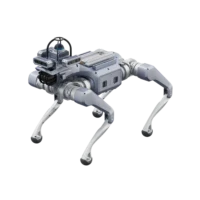
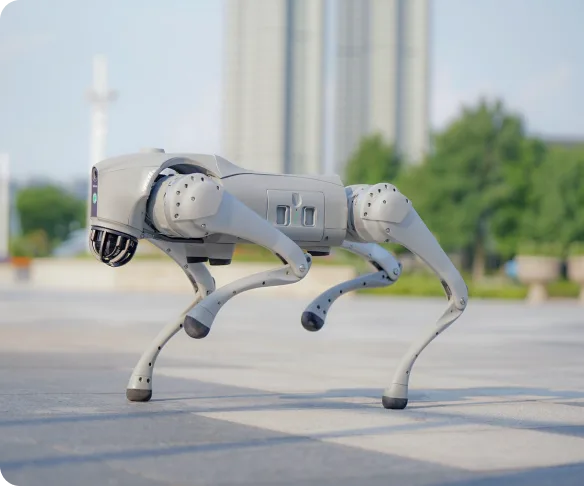
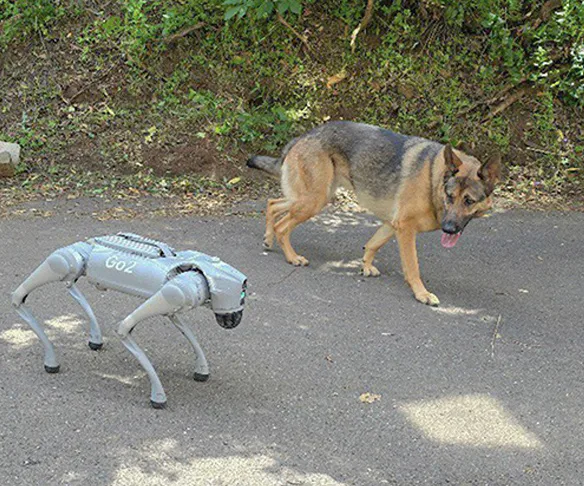
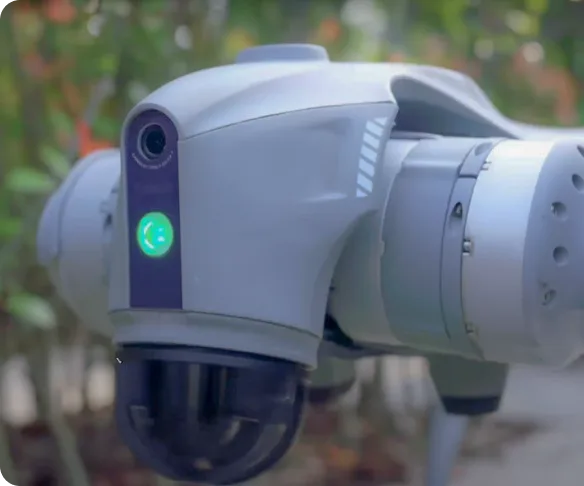
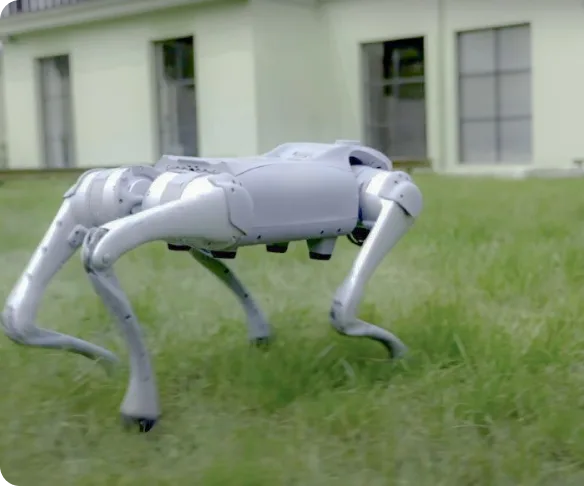
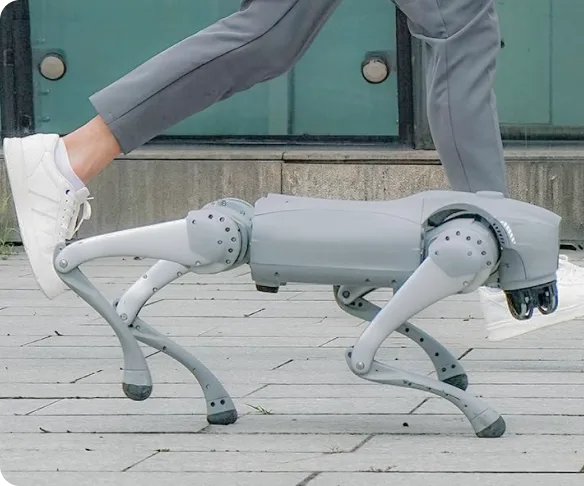
Much of this demand is fueled by AI upgrades, smoother movement tech, and falling hardware costs. Models like the Unitree Go2 are no longer just for research, they’re being used in classrooms, exhibitions, and content creation. These robots can walk, talk, avoid obstacles, and respond to prompts in real time.
Toborlife customers aren’t buying for novelty, rather they’re building real experiences. From live stage robots to programmable teaching tools, our users are leveraging these bots to create impact, not just amusement.
Tech Trends Shaping the Future of Entertainment Robots
The entertainment robot space is advancing fast, thanks to a combination of AI, AR, VR, and more innovative connectivity. These technologies are turning robots into more than just fun gadgets—they’re becoming functional tools for engagement, education, and brand storytelling.
Artificial intelligence now powers features like facial tracking, voice recognition, and emotion analysis, allowing robots to respond in more personalized and human-like ways. At the same time, augmented reality and virtual reality are being integrated into robot-led performances, training modules, and games, delivering immersive experiences that are hard to replicate with traditional media.
Wi-Fi 6 and low-latency Bluetooth have also improved remote control and real-time interaction. This makes live shows and audience-facing demos smoother and more interactive, with better precision and fewer delays.
Together, these innovations are shifting how robots are used in schools, events, and entertainment venues. They’re no longer seen as gimmicks—they’re part of full-scale creative strategies that help businesses and educators stand out in a saturated digital world.
Three Segments Powering Growth in 2025
The entertainment robot market isn’t growing in one direction but it’s expanding across multiple industries at once. In 2025, robots are not just trendy items; they’re practical tools with real use cases in daily life, education, and commercial events.
Here’s a closer look at the three main segments leading this transformation:
1. Home & Companion Robots
Personal robots have come a long way. What used to be simple rolling assistants now include natural voice interaction, facial expression detection, and adaptive behavior. These bots engage kids, remind seniors to take medication, or just keep users entertained.
2. Robots for Education and Edutainment
Interactive learning bots are big in K–12 and extracurricular STEM programs. They’re engaging, programmable, and often gamified. Parents are investing in these tools as a smart alternative to passive screen time.
Through Toborlife.ai, buyers get pre-flashed models with student-friendly features, including Blockly code support and visual command builders.
3. Public & Live Event Use
From music festivals to brand activations, entertainment robots are crowd magnets. Equipped with LED displays, voice modules, and mobility systems, they attract attention while delivering marketing value.
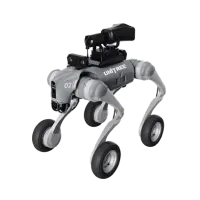
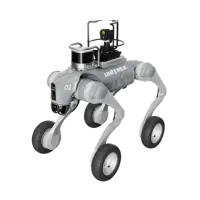
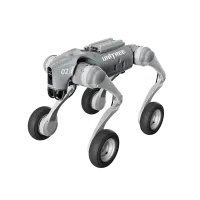
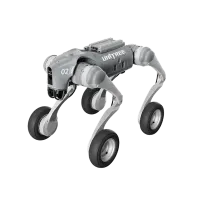
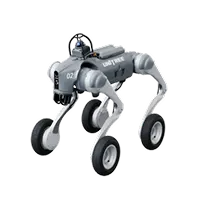
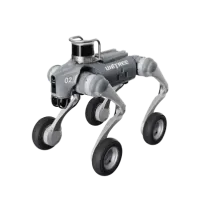
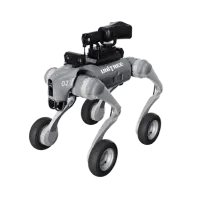
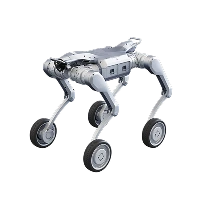
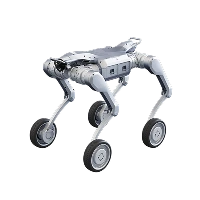
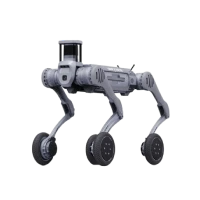
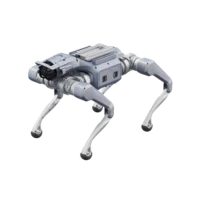
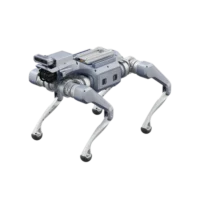
This is where Toborlife’s Go2 W package really shines, with its extended battery, real-time control, and custom sound banks, making it a practical performer in commercial settings.
Why 2025 Is the Sweet Spot
The technology has matured, but the market is still early enough to get ahead. This creates ideal conditions for adoption in classrooms, museums, hospitals, and hospitality environments, settings where Toborlife robots are already being deployed.
How are AI robots evolving?
- AI behavior modeling is now fast and scalable.
- Emotion recognition enables real-time personalized interaction.
- Cloud-free operation is improving data privacy and responsiveness.


Comments are closed for this post.