AI Integration Reduces Response Time
Speed defines fire response success.
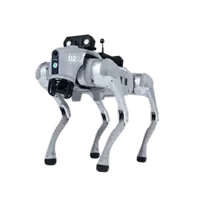
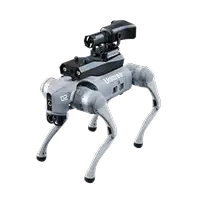
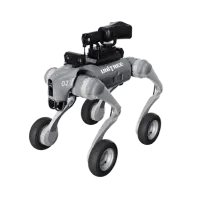
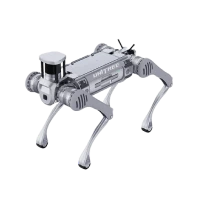
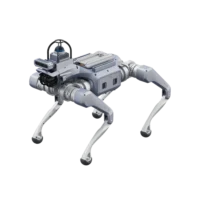
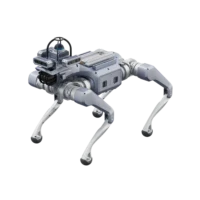
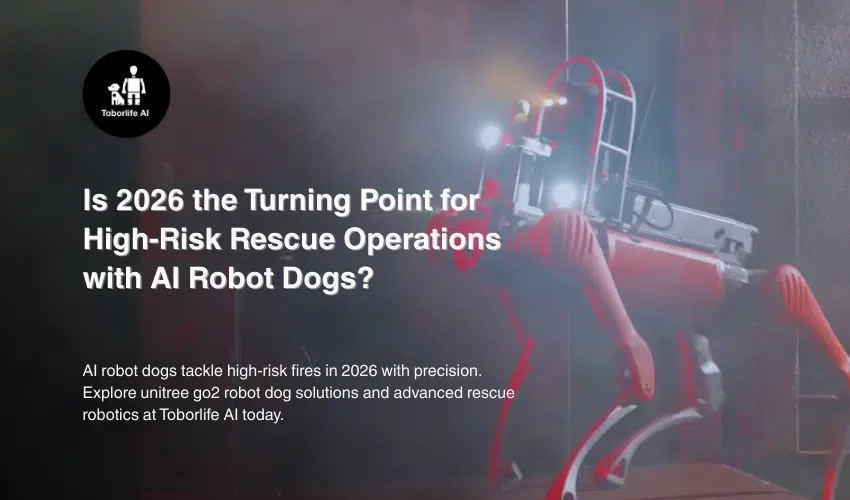
AI systems analyze building layouts and hazard zones instantly. Robot dogs can scout upper floors before human teams ascend. Water cannon robots suppress flames in early stages while reconnaissance bots continue scanning.
The result is:
- Faster containment
- Improved situational awareness
- Lower injury risk
- Reduced structural damage
Toborlife AI Connects Rescue Teams to Advanced Robotics
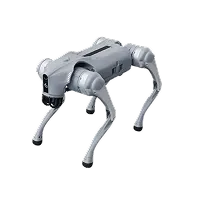
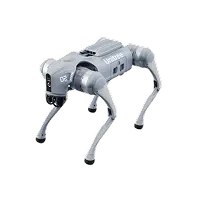
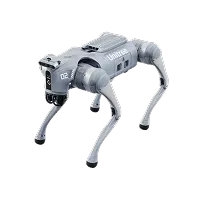
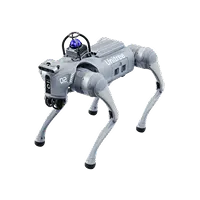
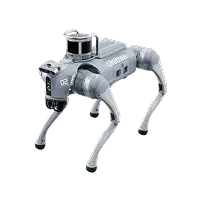
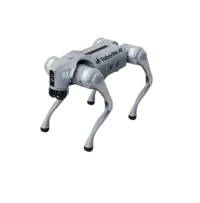
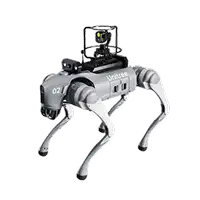
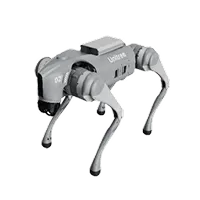
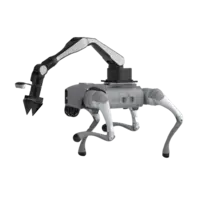
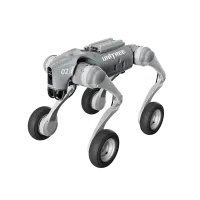
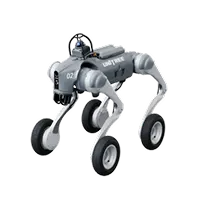
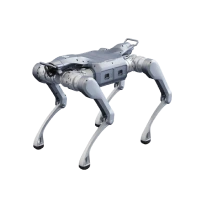
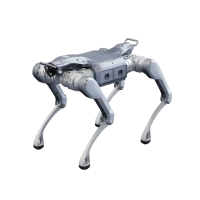
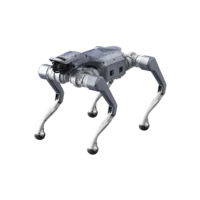
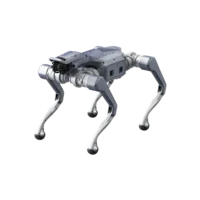
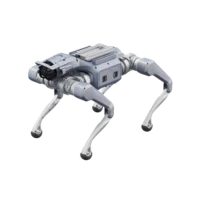
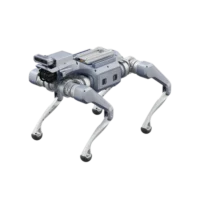
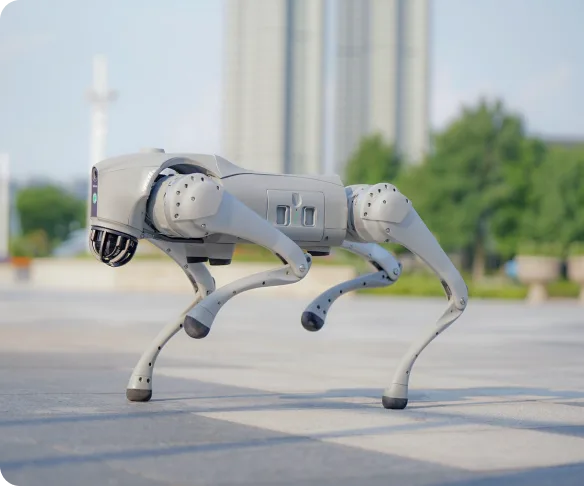
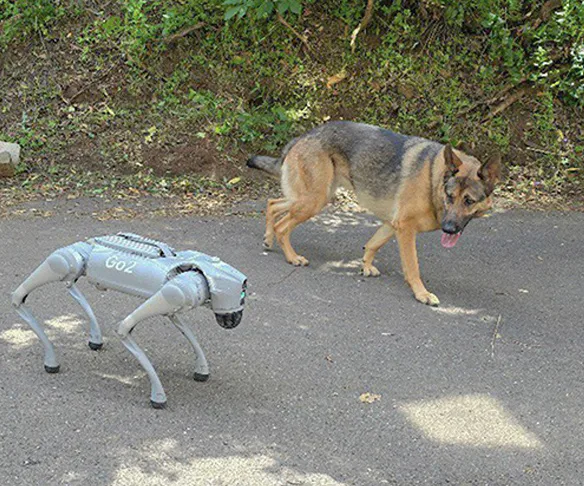
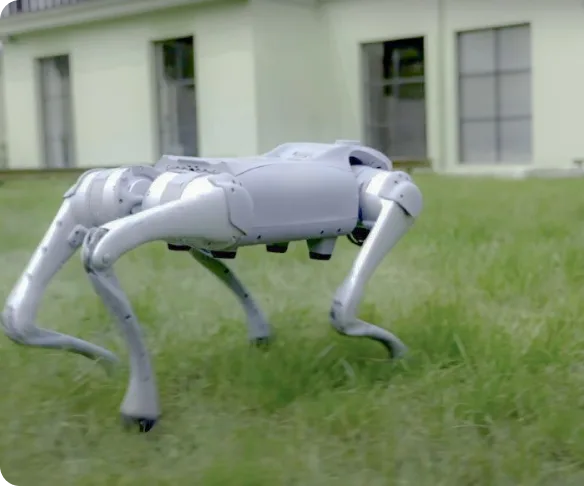
At Toborlife AI, we focus on delivering advanced quadruped robots ready for integration into high-risk industries. Emergency services, industrial facilities, and security teams can explore solutions like the Unitree Go2 robot dog directly at toborlife.ai.
We help teams evaluate use cases and operational requirements before field rollout.
Our support includes:
- Verified hardware sourcing
- Integration consultation
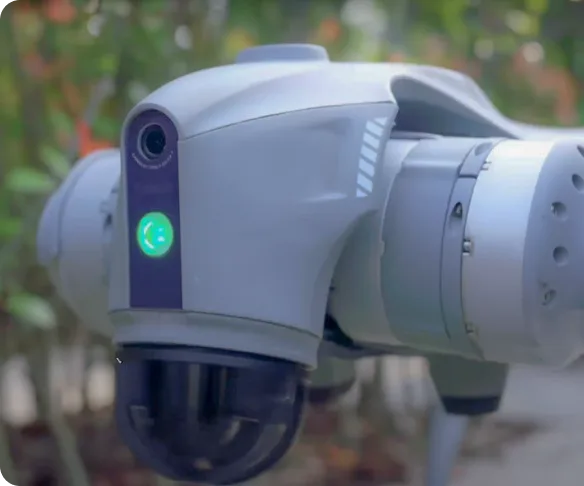
- Sensor compatibility guidance
- Deployment planning
Coordinated Robotics Transform Fire Logistics
Firefighting is not only about water suppression. It involves coordination, transport, and monitoring.
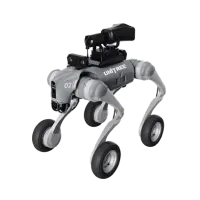
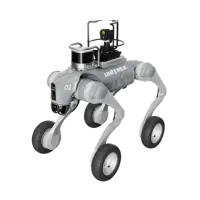
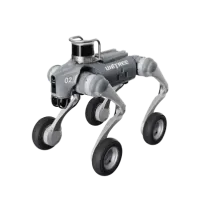
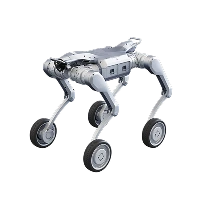
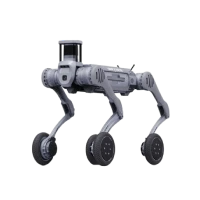
Logistics robots can carry equipment into hazardous zones. Water cannon units apply targeted suppression. Recon bots continuously assess heat spread.
AI systems merge these inputs into one dashboard.
This centralized control model reduces chaos during high-stress operations.
How Firefighting Robots Are Measured and Evaluated in 2026
Firefighting robots are now evaluated using measurable benchmarks:
- Terrain navigation success rate
- Thermal detection accuracy
- Operational duration per charge
- Data transmission stability
- Coordination efficiency between units
Advanced battery performance remains critical. The durability of the Unitree Go2 battery supports longer missions and reduces downtime.
Procurement teams also analyze cost efficiency. Understanding the Unitree Go2 Pro price helps departments compare long-term operational savings versus risk exposure reduction.
When injury risk decreases and response times improve, ROI becomes clear.
Expanding Beyond Fire Response Into High-Risk Industries
The same AI robot dog technology applies to:
- Industrial plant inspection
- Hazardous material containment
- Search and rescue after earthquakes
- Security patrol in high-risk zones
Quadruped robots operate in environments unsafe for humans. That flexibility expands adoption.
At Toborlife AI, we see increasing demand from industrial operators and public safety departments seeking scalable robotic solutions.
The Human Role Remains Central
AI robots enhance firefighting. They do not replace it.
Human expertise guides strategy. Fire chiefs interpret data. Response teams make tactical decisions.
Robot dogs extend vision and reach. They reduce exposure to life-threatening risks.
This partnership defines the 2026 emergency response.
2026 Signals a New Era for AI-Powered Emergency Response
Several factors converge this year.
Hardware reliability has improved. AI perception systems are more accurate. Communication networks are faster. Battery endurance is stronger.
Emergency services now view robot deployment as practical, not experimental.
Interest in platforms like the Unitree Go2 robot dog continues to grow as agencies seek reliable quadruped systems.
Cost transparency, including clarity around the Unitree Go2 Pro price, supports budget planning and procurement strategies.
The market is maturing.
Conclusion: Robotics Expands the Frontline Without Replacing It
AI-powered robot dogs are reshaping firefighting strategy in 2026. By entering high-risk environments first, they reduce human exposure and deliver critical intelligence. Integrated networks of reconnaissance bots, water cannon robots, and logistics units streamline response operations.
This is the future of emergency response. Data-driven, coordinated, and safer.
If your organization is ready to explore advanced rescue robotics, visit toborlife.ai and discover how the Unitree Go2 robot dog can elevate your operational capabilities today.



Comments are closed for this post.