The Event That Changed the Conversation
The Robot Dog Olympics in Hangzhou turned many heads. This event placed robotic dogs on a rugged course with ramps, steps, rails, and shifting surfaces. The goal was simple. See how well these robots handle pressure in real movement.
Humanoids could not deliver the same pace. Their bodies still need extra support for balance. Robotic dogs, however, moved with accuracy. The event proved that four legged robots are ready for wider use. It also showed that agility, not appearance, guides the future of embodied AI.
Why Quadrupeds Are More Than Just Trendy Machines
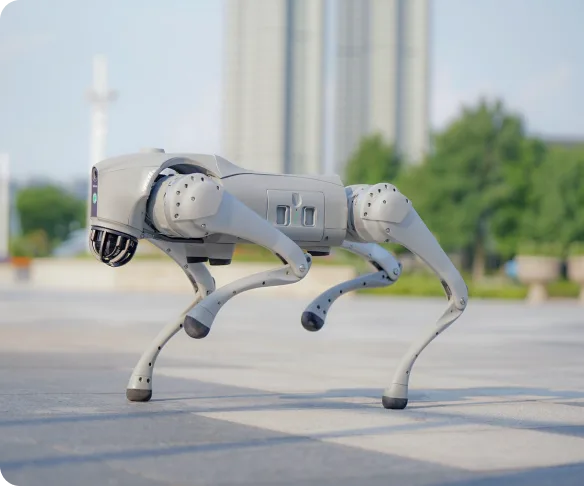
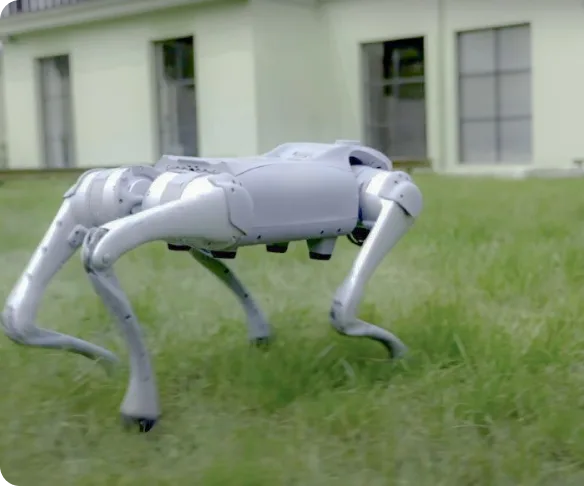
Quadrupeds place their weight across four contact points. This helps them stay stable when climbing, walking over debris, or navigating rooftops or hillside paths. These platforms move with less strain, making them ideal for search, inspection, mapping, and long duration outdoor tasks.
Humanoids still have advantages in social tasks or human assisted workflows. Yet mobility focused missions demand a frame that adapts instantly. The natural design of a quadruped gives it that advantage. Robotic dogs are now the preferred base for embodied AI because they allow developers to test new behaviors in environments that challenge balance and coordination.
This real world reaction makes them more practical for early AI learning. Users train them in slopes, dirt, gravel, angled pathways, and areas full of shifting objects. These conditions shape richer data and faster adaptation.
What the Hangzhou Results Tell Us About Performance
The most surprising part of the competition was the winner. A small fifteen kilogram robot called L1 won against units three times heavier. This result showed that success does not depend on weight. It depends on software, torque control, and sensor integration.
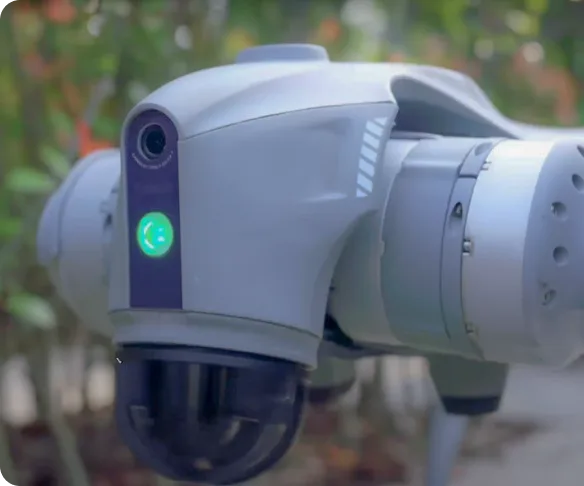
L1 had strong LiDAR, fast compute ability, and smooth motion. It represented a new era where smaller platforms can compete at high levels. These results also signal a larger trend. Performance gains now come from refined engineering, not only from scaling size or mass.
The Real Reason Embodied AI Thrives on Robotic Dogs
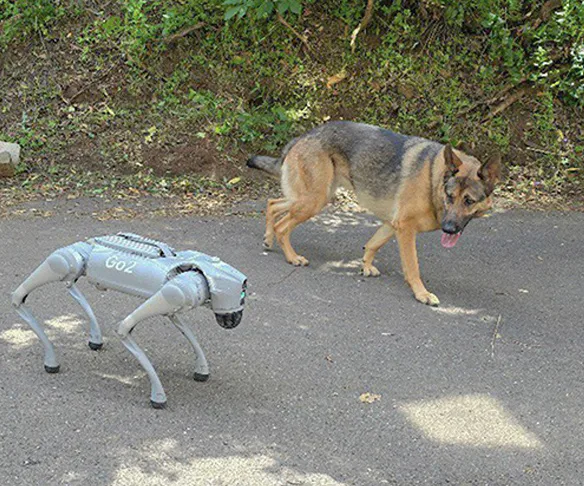
Embodied AI needs real environments. It needs stairs, gravel patches, slopes, debris, and fast movement changes. Robotic dogs provide all of that. They move like animals. They adjust their body within milliseconds. They respond to the world without human style restrictions.
Developers get more training data because these robots interact with physical forces more often. This leads to better AI models that understand balance, pressure, and weight distribution. Over time, it shapes better decision making for field tasks.
Where Quadrupeds Outperform Humanoids in Real Tasks
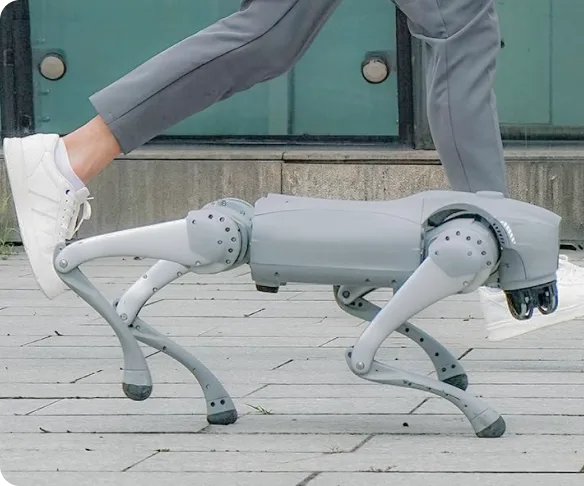
Quadrupeds shine in places where smooth movement matters more than human shape. They adapt to outdoor areas. They manage tough ground. They react to objects that shift. They can also carry sensors and tools without losing balance.
Here are the areas where they excel:
Strong traction on uneven ground
Stable climbing and controlled descent
Fast correction in slippery areas
Better center of gravity for endurance
Clean movement on loose dirt or debris
These strengths help companies reduce risk. They also help teams complete inspections and field missions without constant supervision.
Market Growth and Why Buyers Look Beyond Humanoids
The quadruped market is expanding fast. Asia leads many of the newest developments. Companies continue to lower costs and improve product ranges. Lightweight robots now deliver high performance at a fraction of older unit prices.
Affordability opens the field to more users. Research labs, startups, and industrial partners now explore embodied AI without massive investment barriers. This also draws attention to pricing questions that centers often ask, such as the unitree a2 price, especially when comparing performance tiers.
Platforms like toborlife.ai help users make faster and smarter decisions by showing options that balance cost, durability, and capability.
How Toborlife AI Helps You Choose the Right Quadruped
Toborlife AI focuses on helping buyers understand which robot fits their mission. Our site highlights strengths, terrain readiness, movement control, and sensor setups. We also guide users on long term value so teams avoid buying units that do not match their real workload.
Many visitors compare sizes, runtime, and sensor ranges. Some explore unique models similar to the A2 Stellar Hunter, while others check availability around performance lines such as A2 robot for sale listings. Our layout simplifies this process and keeps every detail clear.
We focus on delivering a tech forward experience, not just a list of products. This helps buyers choose fast and stay confident in their decision.
The Future of Robotic Dogs and Embodied AI
2025 marks a shift. Quadrupeds are no longer a side category. They are at the center of real world AI testing. Their form solves modern mobility needs. Their movement supports deeper AI learning. Their agility helps them move through the same terrain people work in.
Humanoids hold strong potential for future automation. Yet the immediate advances in embodied AI come from machines that can handle physical environments now. Robotic dogs are the best match for this moment.
For teams preparing for the next upgrade, this is a great time to explore options, compare features and buy A2 robots. You can visit toborlife.ai to look at new releases, study the unitree a2 price, and find models that align with real operational goals.


Comments are closed for this post.