Why Militaries Are Turning Toward Quadrupeds
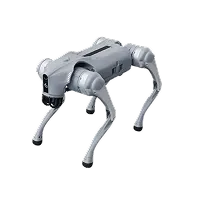
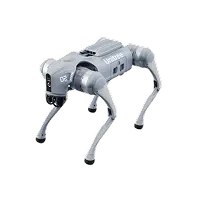
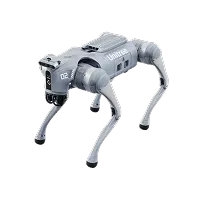
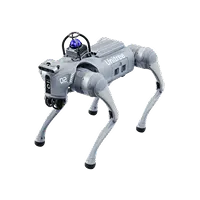
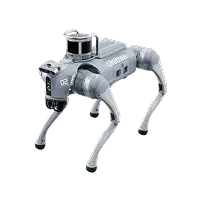
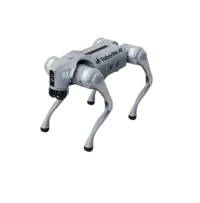
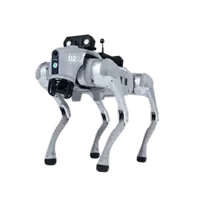
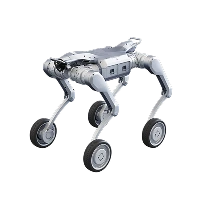
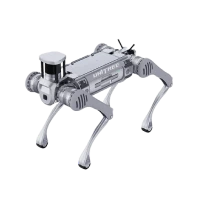
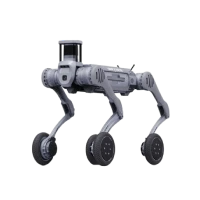
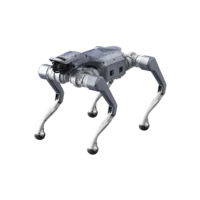
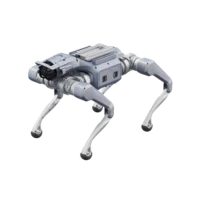
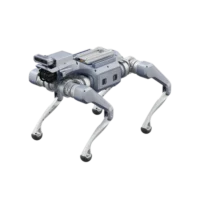
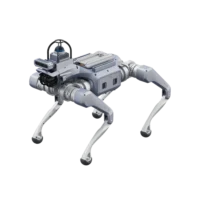
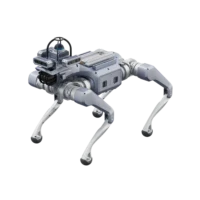
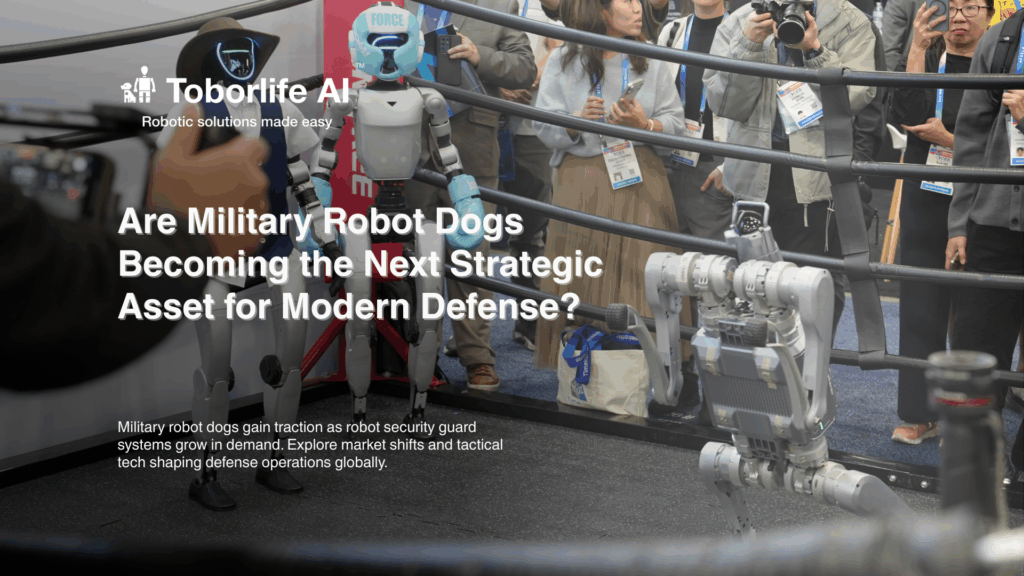
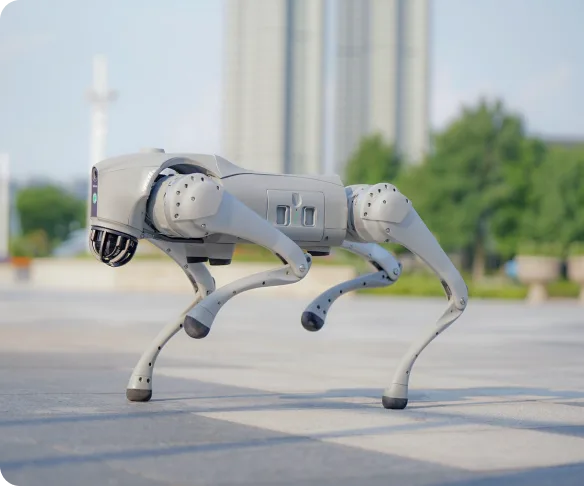
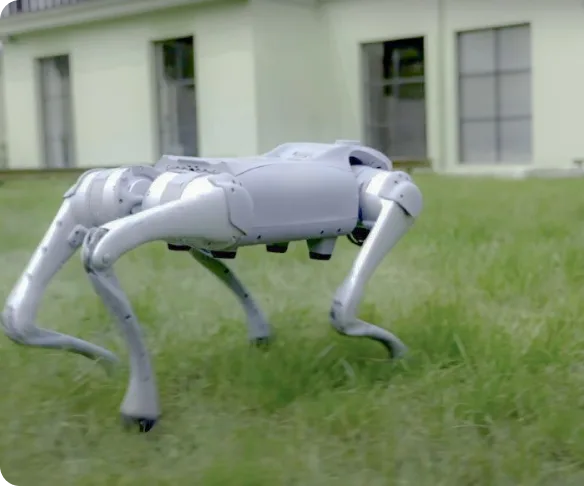
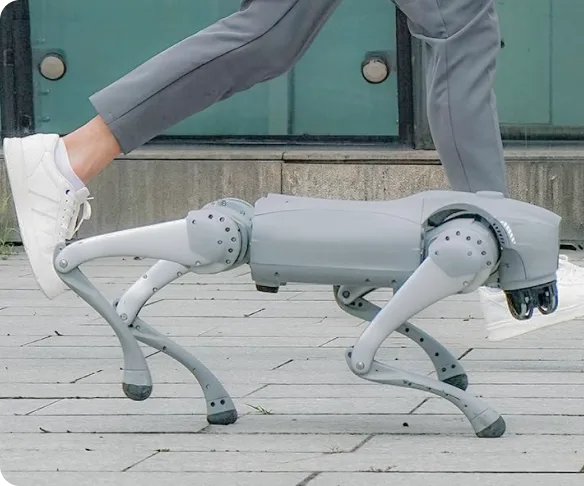
Robot dogs offer movement patterns that work well in unpredictable environments. Their four-legged form gives them stability on uneven ground. They handle slopes, rubble, sand, and narrow spaces better than wheeled or tracked platforms.
Defense agencies rely on these machines for several tactical roles:
- Remote surveillance
- Hazard detection
- Perimeter scans
- Forward observation
- Cargo transport
- Communication relay points
The Role of AI and Sensor Fusion
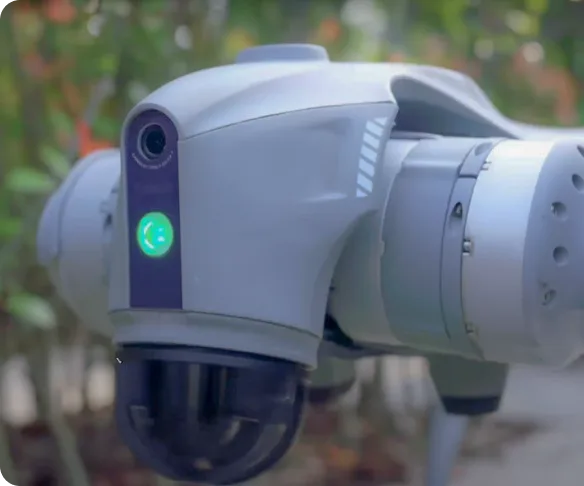
Modern robot dogs use advanced sensors to collect and process environmental data. They combine cameras, depth sensors, thermal scanners, and inertial systems. Sensor fusion helps the robot understand terrain, identify threats, and adjust its path.
AI techniques also support decision-making. These tools help robots interpret patterns, track movement, and navigate without manual control. The integration of AI gives robot dogs greater autonomy and reduces operator workload.
For militaries, improved autonomy offers several benefits:
- Faster response in the field
- Minimal delays during task execution
- Clearer environmental mapping
- Repeatable patrol routines
This combination improves mission reliability and keeps human teams safer.
Key Players Driving the Market Forward
The market includes several high-profile companies. Boston Dynamics and Ghost Robotics remain at the center of innovation. These groups refine locomotion, perception systems, and modular expansion options. Their progress encourages more defense groups to test and adopt quadrupeds.
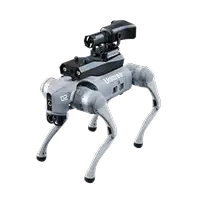
However, the ecosystem is bigger than two companies. Many global manufacturers are now exploring defense-grade versions of their platforms. These systems include upgraded sensors, stronger endurance, and advanced payload modules.
The competition benefits buyers. More development leads to lower prices, wider feature sets, and more integration options for specialized tasks.
Why North America Leads the Market
The United States continues to dominate the global robot dog sector. Government agencies and defense contractors lead deployment trials and long-term modernization programs. Investments in border control, base security, and battlefield support push adoption even higher.
North America also benefits from a strong robotics infrastructure. Many companies design, test, and refine prototypes in this region. Academic institutions also support research around mobility, autonomy, and communication systems.
At the same time, Asia Pacific is growing quickly. Countries in this region are scaling defense upgrades and exploring new robotics solutions for surveillance and reconnaissance.
How Commercial Markets Benefit From Defense Growth
Defense robotics development creates carryover effects for commercial partners. As military applications advance, businesses gain access to refined systems that can support industrial security.
Companies are now exploring robots for:
- Facility surveillance
- After-hours monitoring
- Data collection
- Hard-to-reach site inspections
- Hazard area access
Many of these organizations turn to toborlife.ai to compare platforms and explore robot features for security operations. Our listings help buyers understand how quadruped units perform across different environments.
This trend accelerates demand for surveillance robots that are reliable during long patrol cycles.
Why Toborlife AI Helps Buyers Navigate the Market
Defense and commercial buyers need clear guidance. Robotics can be complex, and many teams need help comparing capabilities. Toborlife AI supports them with organized listings, performance breakdowns, and direct purchasing paths.
Visitors on our platform explore:
- Feature differences
- Endurance ratings
- Sensor packages
- Terrain capabilities
- Tactical use cases
- Pricing ranges
This structure helps teams make confident decisions. It also gives new buyers an easy way to understand what modern robot dogs offer and how they can support mission goals.
Looking Ahead
The military robot dog market is entering a strong growth period. With a projected 7.5 percent CAGR, more defense groups will adopt quadrupeds for tactical support and advanced surveillance. AI improvements, stronger sensor fusion, and efficient locomotion will push the field forward.
As interest rises, more buyers will explore the next generation of defense-grade robots through platforms like toborlife.ai. If your organization plans to evaluate high-mobility robots for security or field operations, our platform can help you compare options and find the right match!


Comments are closed for this post.