Why the $7B Valuation Matters
The company’s valuation doesn’t just reflect its technology; it reflects the trust the market places in robotics as the next industrial revolution. Analysts highlight three key drivers behind the hype:
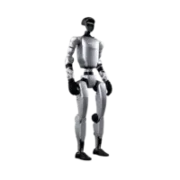
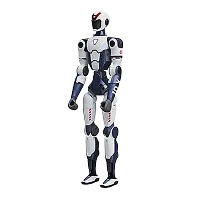
- Humanlike mobility: Modern humanoids now possess fluid movement, balance correction, and task versatility approaching that of real humans.
- AI behavioral learning: These machines can analyze, predict, and adapt to human needs in real time, from lifting boxes to engaging in customer interaction.
- Expanding market relevance: As robotics penetrate new industries, they are no longer specialized tools but universal assistants.
The upcoming IPO could catalyze broader investment across the robotics ecosystem, fueling startups in mobility, AI training, and even niche markets like security robots and companion devices.
From Manufacturing Lines to Living Rooms
The transition of humanoids from industrial use to social and domestic applications mirrors the trajectory of personal computing in the 1980s. What was once a corporate tool is now becoming a household essential.
In the same way, modern humanoids are stepping into roles once considered impossible for machines:
- Healthcare assistance – aiding nurses, lifting patients, and monitoring vitals.
- Customer service – greeting, guiding, and providing multilingual interaction.
- Security and surveillance – working alongside autonomous quadrupeds to protect property.
- Education and research – helping students learn AI programming and mechanical engineering hands-on.
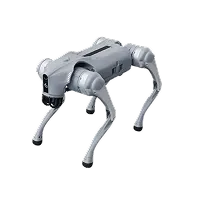
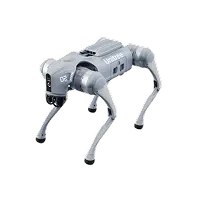
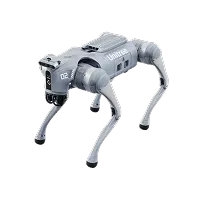
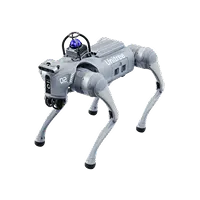
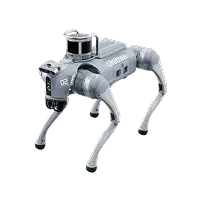
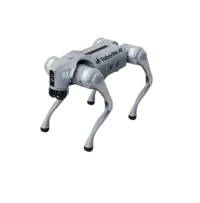
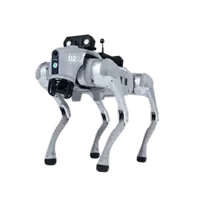
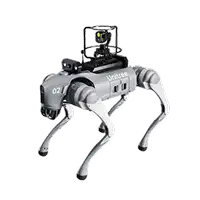
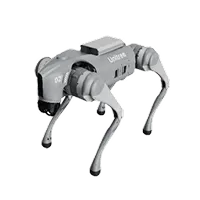
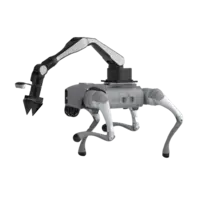
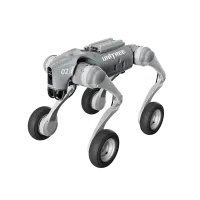
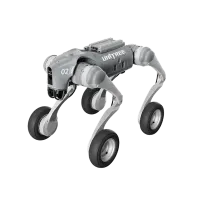
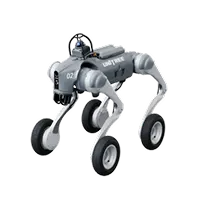
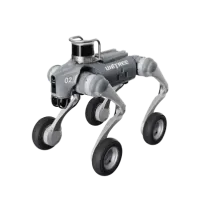
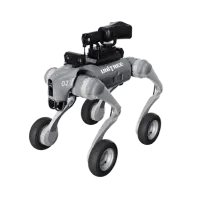
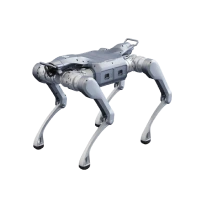
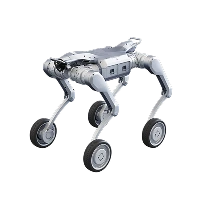
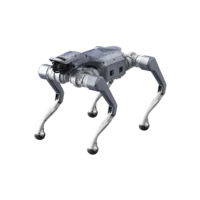
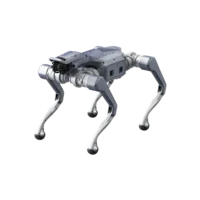
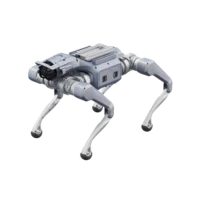
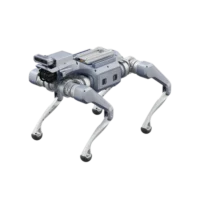
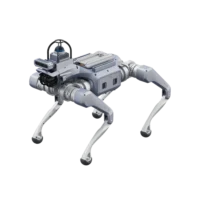
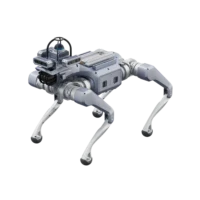
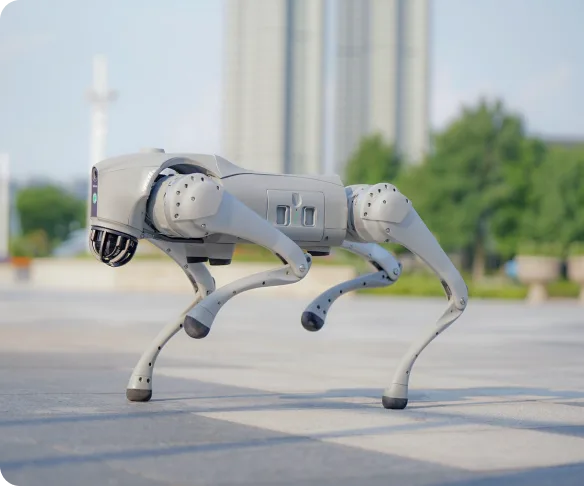
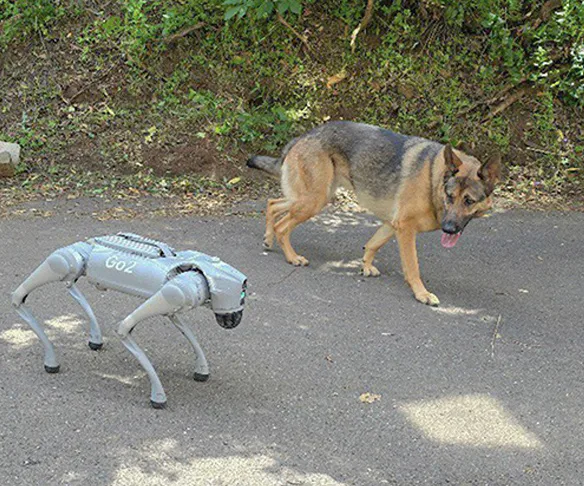
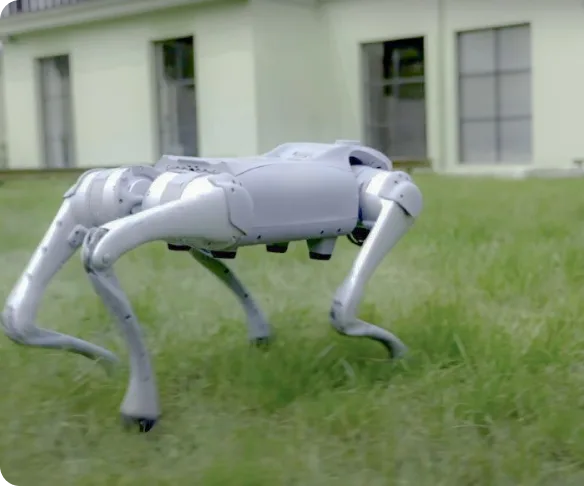
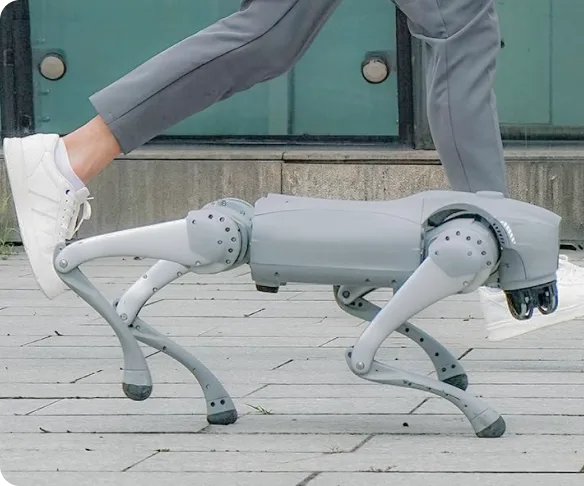
As humanoid robots become more affordable, their supporting ecosystem of complementary devices, like Toborlife AI’s quadrupeds, will flourish. Imagine pairing a humanoid concierge with a mobile robot dog for home security, patrolling the premises, detecting motion, and syncing live data directly to your home app.
The Security Revolution: When Robots Guard the Home
Security robotics is one of the fastest-growing sectors within AI. As cities become denser and security costs rise, autonomous protection systems are quickly becoming the standard for modern living.
Humanoid robots and quadrupeds like Toborlife’s models are being developed to perform layered security functions:
- Surveillance patrols: Using thermal imaging, LiDAR, and GPS for perimeter inspection.
- Intrusion detection: Analyzing audio and motion to detect unauthorized entry.
- Human collaboration: Communicating in real time with home or corporate security systems.
- Emergency assistance: Providing on-site response before human personnel arrive.
What makes these security robots remarkable is not just their vigilance but their adaptability. Unlike static cameras, they move, see, and respond, turning reactive monitoring into proactive protection.
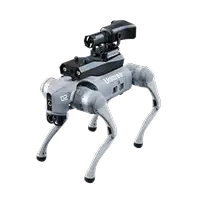
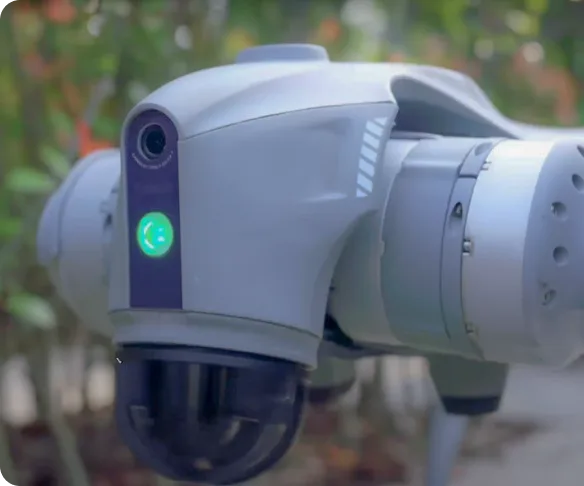
Toborlife AI’s robots, for instance, are equipped with customizable sensors and neural control systems, capable of both autonomous patrol and remote command. This fusion of AI awareness and real-world mobility represents the future of safety in connected environments.
A Silicon Valley Perspective: Robots as Platforms
In Silicon Valley, robotics startups increasingly view humanoids not as products, but as platforms–flexible foundations for countless applications. Just as smartphones evolved through app ecosystems, robots will evolve through specialized modules and integrations.
A humanoid designed for logistics can quickly be adapted for service or entertainment through software updates. Similarly, quadrupeds can shift from research tools to security robots simply by integrating vision AI and navigation modules.
This modularity is exactly where Toborlife AI excels. Our robotic systems, from humanoids to quadrupeds, are built for reconfiguration. They can learn, adapt, and evolve alongside their owners’ needs, making them long-term assets rather than short-lived gadgets.
At Toborlife AI, we believe accessibility is key. By providing open programming environments and scalable performance tiers, we empower innovators, educators, and enterprises to participate in the next robotics era.
The Market Momentum: Why 2025 Is the Year of Robotics
According to market analysts, 2025 is shaping up as robotics’ breakout year. Global robotics revenue is projected to surpass $80 billion, with humanoid and service robots accounting for a major share.
Three factors are driving this acceleration:
- Public acceptance: Pop culture and practical exposure have normalized the idea of robots as coworkers and companions.
- AI cost efficiency: Cloud and edge computing make advanced perception and language processing affordable for smaller businesses.
- Sustainability goals: Robots reduce waste, optimize logistics, and operate with minimal energy, aligning with green initiatives.
As the $7B IPO nears, it signals that robotics is no longer a speculative dream. It’s a viable, scalable industry–one that blends high-tech engineering with real-world demand.
And for consumers and businesses alike, this means that the innovations once reserved for research labs are now within reach. From personal assistance to home defense, Toborlife AI brings these technologies directly to your doorstep.
Investing in the Future: Where Toborlife AI Fits In
While global robotics giants prepare for IPOs, Toborlife AI remains focused on creating practical, accessible robotics solutions that enrich human life.
Our mission is clear: to make advanced robotics approachable, both technologically and economically. Whether you’re a homeowner looking for intelligent security or a researcher seeking an adaptable development platform, Toborlife AI’s lineup bridges the gap between aspiration and action.
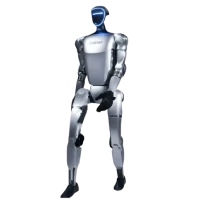
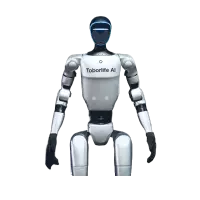
- Humanoid companions with natural motion and responsive AI.
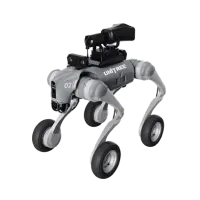
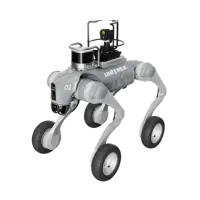
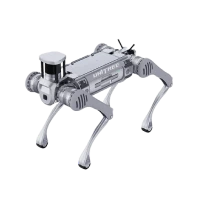
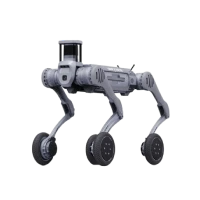
- Quadruped robots engineered for mobility, durability, and customization.
- Modular ecosystems enabling future-ready upgrades.
By integrating AI, sensory awareness, and design elegance, Toborlife AI provides robotics not as novelties, but as essential partners for a modern, secure, and intelligent lifestyle.
Explore the next generation of robotic living at Toborlife AI, where innovation moves with purpose.
The Road Ahead: Human-AI Synergy
The upcoming IPO is more than a financial milestone–it’s symbolic. It represents humanity’s growing comfort with machines that think, move, and collaborate.
In the near future, humanoids will coexist with quadrupeds, drones, and stationary AI systems in a coordinated web of automation. Together, they’ll manage cities, safeguard homes, and augment our productivity.
As we step into this new era, one thing is certain: robotics isn’t replacing humanity, it’s extending it.
And the companies building this future, from billion-dollar giants to innovators like Toborlife AI, are ensuring that automation doesn’t just serve the few, but empowers the many.



Comments are closed for this post.