The Robot Has High-Speed Movement for Faster Field Performance
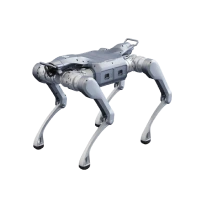
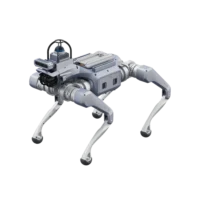
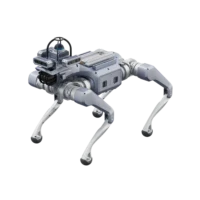
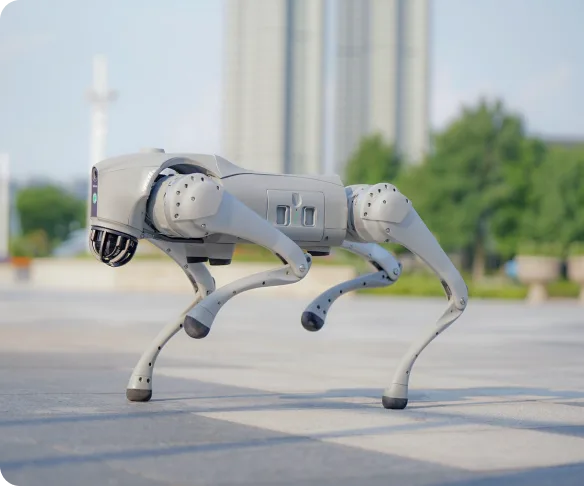
The headline feature many people notice first is the speed. This quadruped reaches 11.2 mph. For a machine of this size and structure, that is a major leap. It outpaces older industry units by a wide margin and gives operators faster responsiveness in the field.
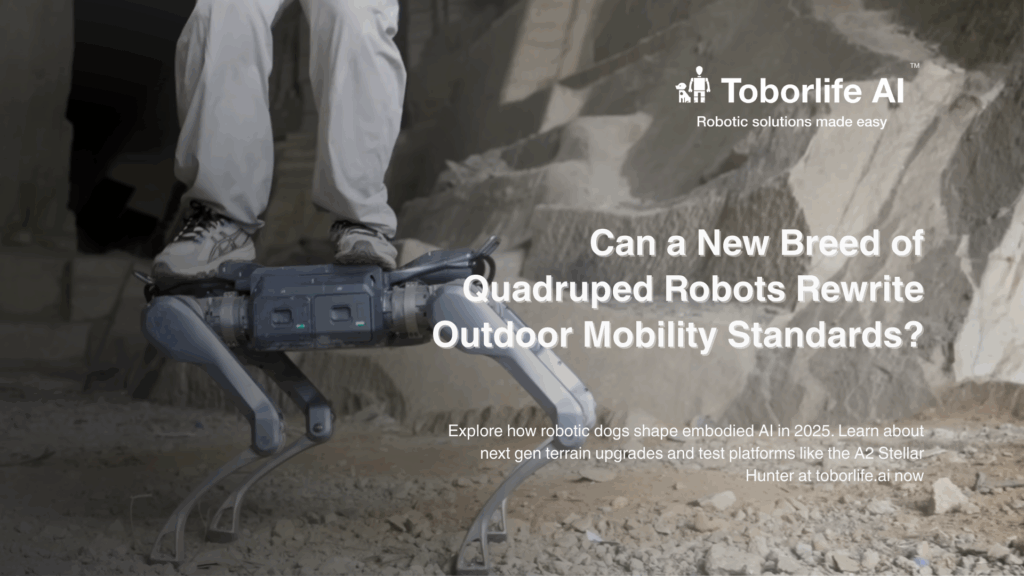
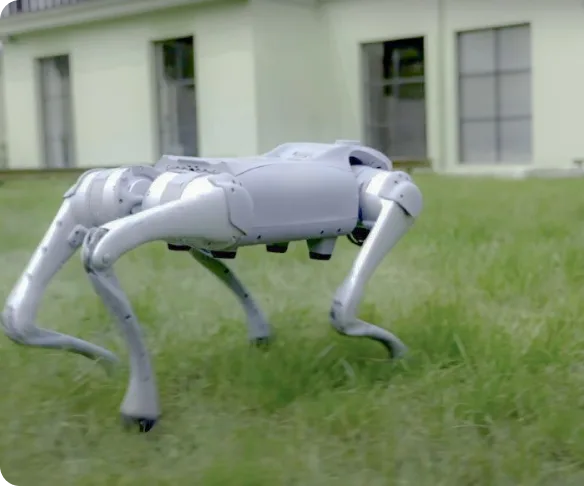
The momentum it carries while moving down slopes or shifting across rough surfaces is also impressive. The A2 moves confidently across gravel, loose dirt, roots, and small debris without losing rhythm. The body stabilizes itself in a way that reflects careful mechanical tuning and strong internal control logic.
This is important for operators in construction zones, energy sites, emergency response settings, and outdoor exploration. High speed combined with stable movement gives teams more options to deploy a robot quickly while avoiding delays from terrain changes. In 2025, efficiency is everything.
It Offers Strong Step Height and Incline Support Across Uneven Terrain
Many quadrupeds struggle when step height increases. The A2 Stellar Explorer model takes a different direction. It reaches a 30-centimeter step height, which allows it to climb small ledges, navigate uneven building sites, approach staircases, and move through natural paths without hesitation.
It also manages a 45-degree incline both uphill and downhill. In practical terms, this means smooth climbing on sloped ground, hillside transitions, elevated pathways, and angled surfaces. This is where the machine really separates itself from earlier units in the industry.
For users who rely on consistent outdoor performance, incline control makes the biggest difference. A robot that can scale a rise without losing balance is a robot that can support more complex missions. This reduces the need for manual guidance and allows the robot to operate in more remote spaces.
The Robot Has Solid Load Capacity for Long Missions With Heavy Gear
Payload support has become a key competitive point in quadruped robotics. The A2 shows new strength here too. Tests show it can sustain a high standing load and carry gear during long sessions without strain.
One of the most interesting demonstrations is the load transport test. The robot carried about 30 kilograms for more than three hours while traveling close to 13 kilometers. That shows efficiency in the motor system and strong heat and energy management.
For industries that handle equipment delivery, site scanning, or remote monitoring, this kind of energy consistency matters a lot. Long missions require steady performance across unpredictable paths, and the A2 delivers that.
It Offers Durable Construction for Rough Outdoor Environments
Outdoor robotics must be ready for unpredictable elements. Dust, rain, and debris can damage sensors or internal components. This unit arrives with a protective rating suited for field activity. This supports functionality in light rain, controlled water exposure, and environments with strong ground debris.
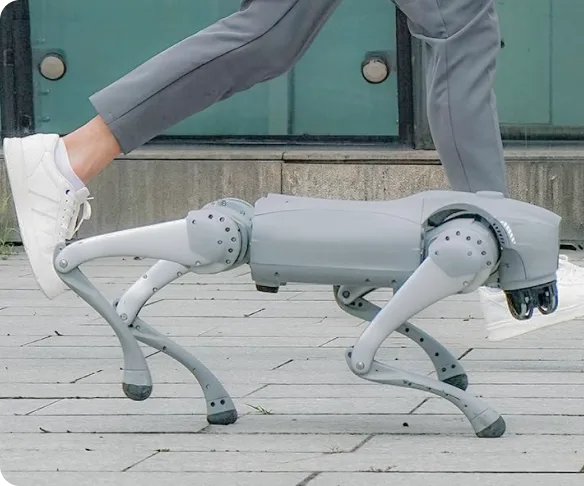
A key part of its durability is its ability to stabilize after impact. The promotional demonstration showing the robot moving through a plate of glass highlights its resilience. Though not a real-world scenario, the test shows its frame strength and its internal balance recovery system.
Durability matters more than ever because robotics buyers in 2025 want machines that last many seasons. Repairs are expensive. Downtime is disruptive. Strong construction reduces that risk.
The Robot Has Advanced LiDAR and Vision for Real-Time Navigation
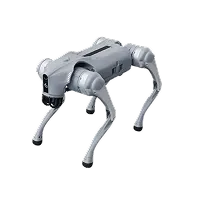
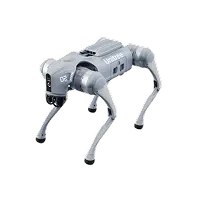
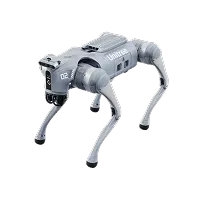
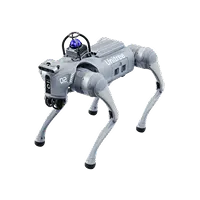
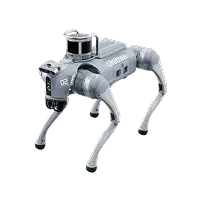
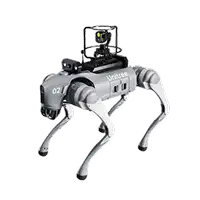
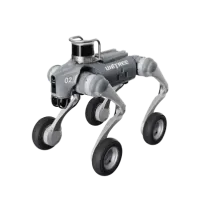
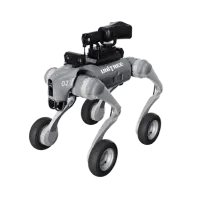
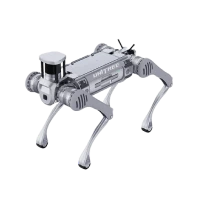
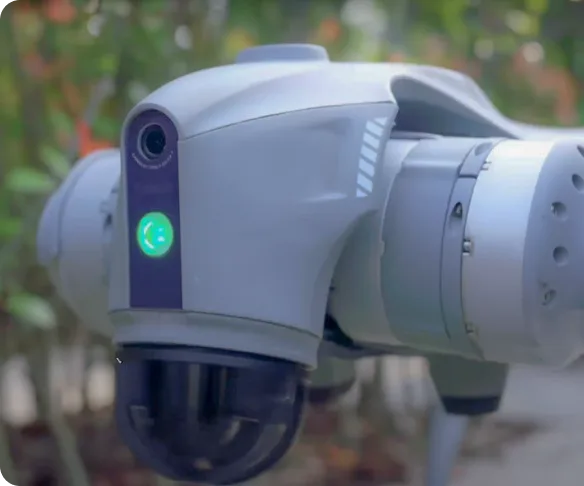
Navigation quality depends on the sensors. The A2 uses front and rear LiDAR modules that help scan surroundings and plan instant path adjustments. This gives it real-time environmental awareness.
As the robot moves, it processes terrain angles, object shapes, and walking paths. The system quickly adjusts foot placement and body tilt to avoid slips and maintain balance. This creates smoother movement while guiding the robot across new ground.
For inspection teams, this means more confidence during autonomous missions. For research teams, it means fewer interruptions during long-range exploration. Sensing accuracy is one of the biggest contributors to consistent results.
It Offers Reliable Battery Power for Extended Runtime
Power flexibility allows users to run longer operations without downtime. The machine uses a high-capacity battery option that supports different mission types.
While runtime varies depending on load, speed, and path difficulty, the A2 shows stronger endurance than many earlier units in this class. This becomes even more important in 2025 as operators shift to longer remote projects, automated patrol routes, and extended site mapping.
If companies plan to scale robotics across multiple units, energy efficiency becomes a cost advantage. Less charging time means more output per day.
Where the Market Stands in 2025
The quadruped market is rising. More industries are looking for mobility assistance, inspection support, and real-time site awareness. The demand is driven by safety goals, staffing limitations, and the push toward automation.
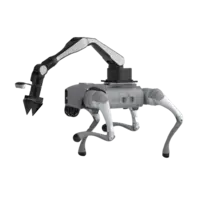
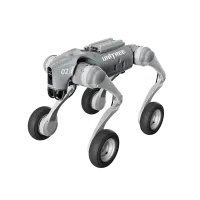
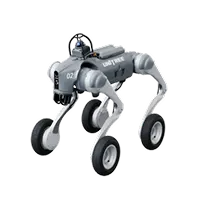
The A2 Stellar Explorer is part of this growth, but the market still needs suppliers that provide reliable access, long-term support, and an ecosystem that grows with customer needs. This is where Toborlife AI plays a different role in 2025.
We are not just following the movement. We support users with scalable, field-ready robotics solutions. Our catalog grows with industry demand, and we help teams integrate the right equipment for their missions. That includes stable platforms, training resources, and hardware options that match terrain, runtime, and mobility goals.
When you explore machines like the A2 Robot, you also see the direction robotics is taking. Higher performance. Faster pace. Greater terrain mastery.
Toborlife AI focuses on bringing these advancements into an accessible shopping experience for businesses and tech enthusiasts.
Why Buyers Should Explore Toborlife AI
As interest in high-mobility quadrupeds grows, buyers want options that meet their environment and use case. Toborlife AI helps bridge that gap.
Our goal is simple. Help people bring innovation into real use. If you are researching new quadrupeds or preparing your team for terrain robotics, our platform equips you with choices that fit both performance needs and long-term plans.
Here is what customers gain when shopping with us:
- A curated selection of advanced robotics ready for terrain testing
- Product options designed for stability, sensors, runtime, and payload support
- Transparent guidance that helps users compare categories
- A modern shopping experience designed for 2025 buyers
- Reliable access to A2 robot suppliers who keep hardware updated
Final Thoughts
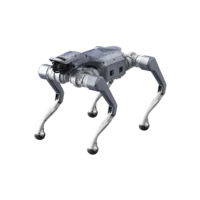
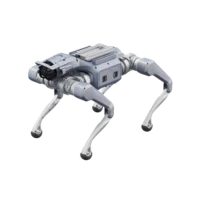
The robotics field is evolving fast in 2025. Machines like the Unitree A2 robots show how far mobility engineering has come. The speed, incline control, step height, sensing, and durability all reflect progress toward more capable quadrupeds.
For buyers who want to see where the industry is heading, this is the perfect time to explore advanced models and understand their strengths. Toborlife AI gives you access to a growing marketplace focused on performance-first robotics.
If you want to compare options or explore new releases, visit toborlife.ai and see which platform fits your next project!



Comments are closed for this post.