How Scientists Made It Happen
Training ANYmal to play badminton wasn’t simply about programming commands. It required an intelligent system capable of learning, predicting, and adapting all hallmarks of the next generation of robotic intelligence.
Here’s how researchers did it:
- Reinforcement Learning Framework: The team used deep reinforcement learning (RL) to teach the robot to react based on reward outcomes similar to how humans learn through trial and error. Every successful hit reinforced optimal body movements.
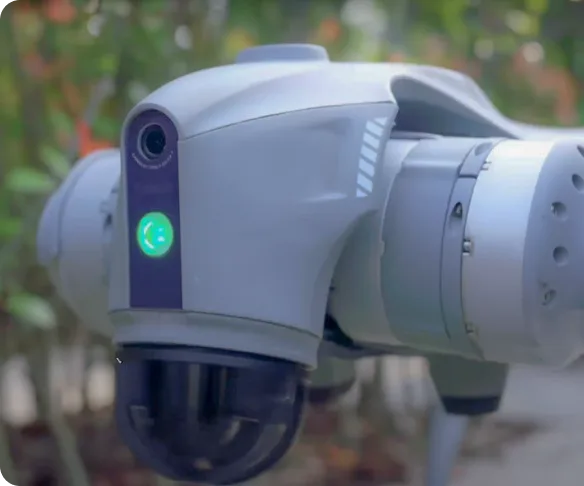
- High-Speed Visual Sensors: Equipped with advanced motion-tracking cameras, the robot could detect the trajectory of the shuttlecock and predict its path with millisecond-level precision.
- Real-Time Motion Control: The robot coordinated leg balance and racket swing simultaneously, adjusting to the dynamic movements of its human opponent.
- Self-Correcting Feedback Loops: By continuously monitoring its own performance, ANYmal improved over time: faster reaction speeds, more stable posture, and better anticipation.
The result? A fully autonomous robot capable of returning serves, rallying for multiple volleys, and maintaining strategic positioning. The match was not just impressive; it represented a milestone in embodied AI.
What Makes This Breakthrough So Important
This playful badminton experiment holds deeper implications for robotics research:
- Real-Time Adaptation: It demonstrates that robots can handle dynamic, unpredictable environments: a critical leap for future use in healthcare, rescue operations, or manufacturing.
- Enhanced Coordination: The combination of physical agility and cognitive processing brings robots closer to human-like adaptability.
- Emotion Through Motion: Watching a robot “compete” naturally elicits emotional engagement. It humanizes robotics, making people more comfortable with the technology.
- Data-Rich Learning: Sports offer complex, fast-paced feedback loops that help refine AI decision-making models far beyond static training environments.
At its core, this isn’t just about a robot winning a game. It’s about a system learning how to move with purpose and that unlocks vast commercial and social applications.
The Rise of Dynamic Robots in Everyday Life
For years, robot development focused on industrial tasks: lifting, sorting, assembling. But 2025’s research trend is clear: robots are learning to adapt rather than just execute. Whether it’s humanoid robots serving coffee, quadrupeds inspecting buildings, or intelligent assistants managing homes, the new wave of robotics emphasizes behavior and creativity.
The badminton-playing robot is part of a broader movement toward “embodied AI,” where machine intelligence exists not only in code but in motion, balance, and perception. That same technology can easily transfer into:
- Rehabilitation and physical therapy – helping patients regain mobility through synchronized, adaptive support.
- Autonomous service robots – assisting in hotels, restaurants, or airports where human interaction and coordination are key.
- Educational environments – allowing students to learn programming and engineering principles through real-time robot feedback.
And yes, even in entertainment, where lifelike robotic performances could soon become a staple in gaming, sports training, or virtual production.
Toborlife AI’s Perspective: Beyond Play, Toward Purpose
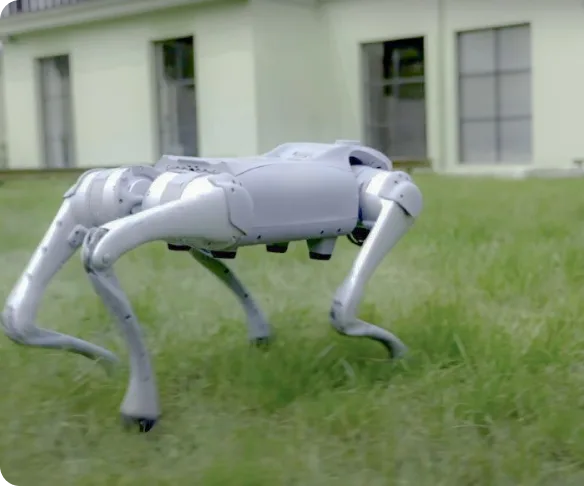
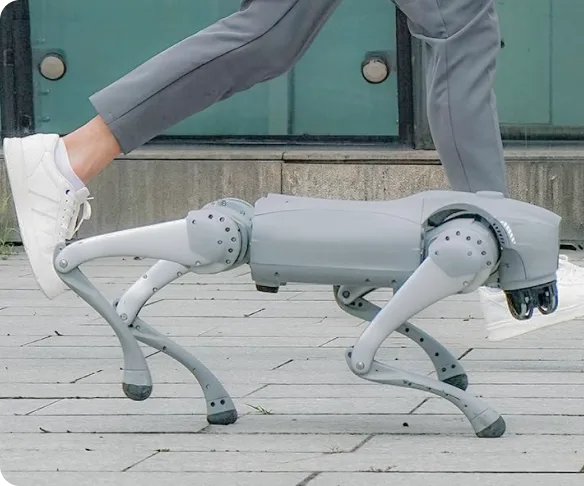
At Toborlife AI, we believe that every advancement in robotics, from acrobatics to badminton, serves a greater mission: redefining how humans and machines collaborate. We develop robots not just for performance but for presence. Our humanoid and quadruped platforms are built to integrate smoothly into daily life, adapting to physical and emotional contexts.
Our approach is pragmatic yet visionary:
- Durability engineered for professional use.
- Real-time AI for context awareness.
- Modularity for customizable applications from education to security to entertainment.
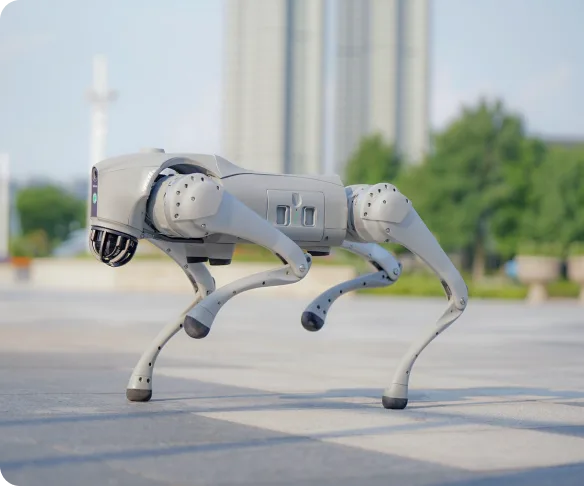
We see robotics as a shared evolution, where machines like ANYmal set the foundation for what our own designs can do next–agile, aware, and genuinely helpful.
Visit Toborlife AI to explore our catalog of advanced humanoid and quadruped robots and see how the next generation of intelligent machines can serve your home, business, or event.
The Cultural Impact of Robotic Sports
Why does a robot playing badminton capture so much attention? Because it represents something deeper: the convergence of technology and human playfulness.
Games are how humans connect, challenge themselves, and express creativity. For a robot dog to enter that arena, to participate, compete, and even entertain, bridges a gap between machine and emotion. It’s not just mechanical mastery. It’s interaction on human terms.
From ancient automata to today’s AI-powered athletes, robots have always mirrored our ambitions. In 2025, they’re not replacing us. They’re joining us in our arenas of curiosity and innovation.
Looking Ahead: The Next Leap in Robotics
So, what’s next after badminton? Researchers believe future iterations of AI quadrupeds will engage in more complex, multi-agent coordination: think robot soccer, relay races, or cooperative puzzle-solving. These activities serve as training grounds for real-world skills like communication, balance, and multi-sensory awareness.
The long-term goal isn’t just recreation. It’s creating robots capable of working alongside humans in any scenario, responding naturally, acting safely, and learning continuously.
As that happens, Toborlife AI will continue leading with systems that balance innovation with reliability. We’re not just building robots to play, we’re building robots to perform, protect, and partner.
Final Thoughts
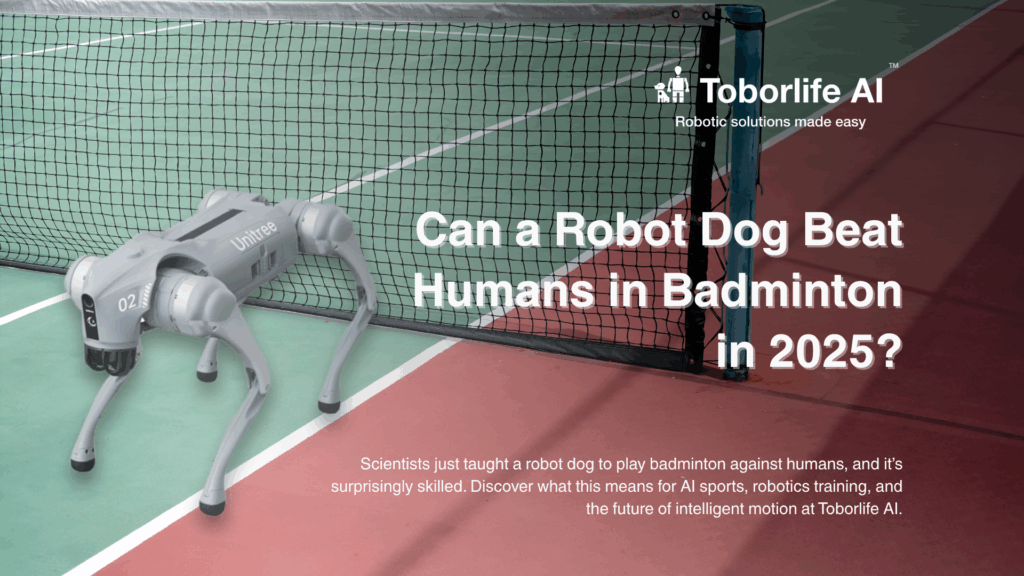
Can a robot dog really play badminton against humans? In 2025, the answer is yes — and it’s surprisingly good at it. But more than that, it’s teaching us something profound: when machines learn to move like us, they start to understand us.
As robots become more physically intelligent, emotionally aware, and socially integrated, they’ll redefine not only industries but relationships between humans, machines, and the future we’re creating together.
If you’re ready to experience that future firsthand, explore the evolving world of AI and robotics at Toborlife AI, where innovation doesn’t just move forward, it moves with you.

Comments are closed for this post.