Comparing Innovation: OpenMind and Toborlife AI
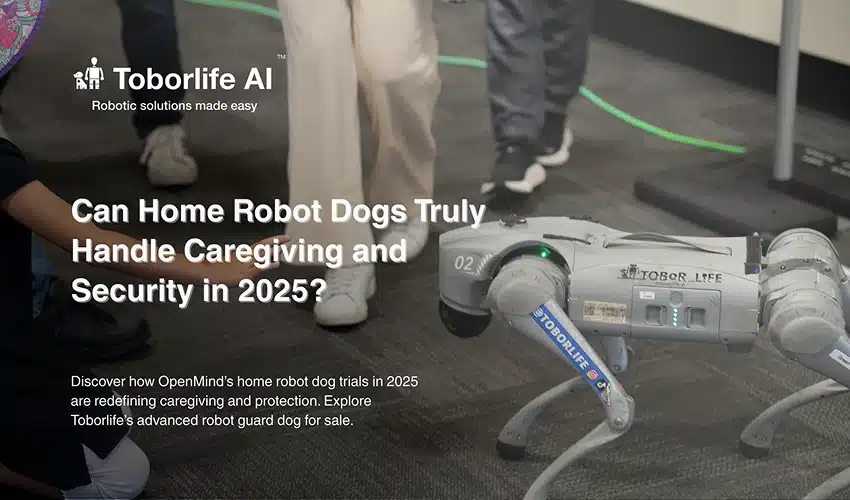
While OpenMind focuses on experimental trials, Toborlife AI is already delivering functional robotics designed for practical use in security, logistics, and inspection.
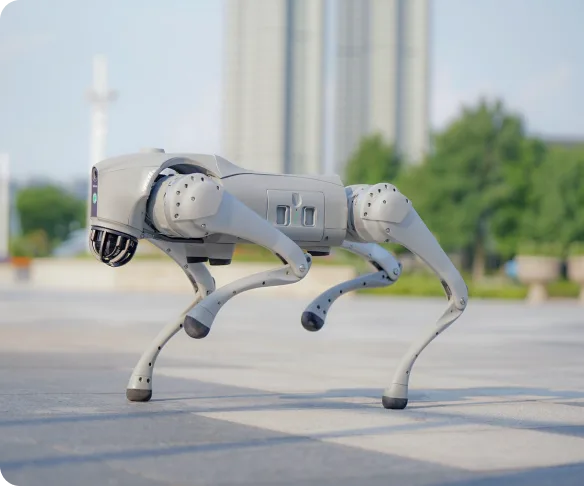
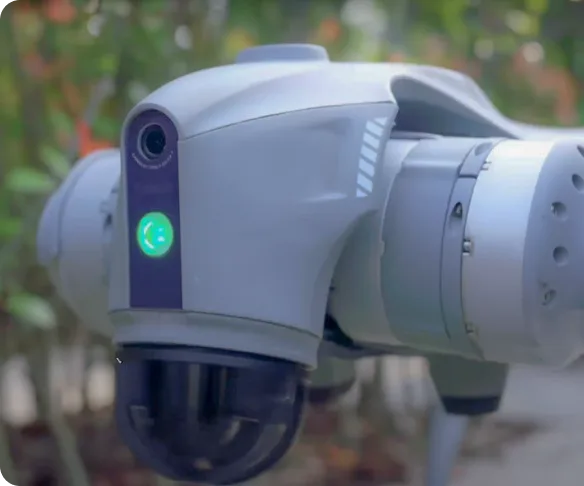
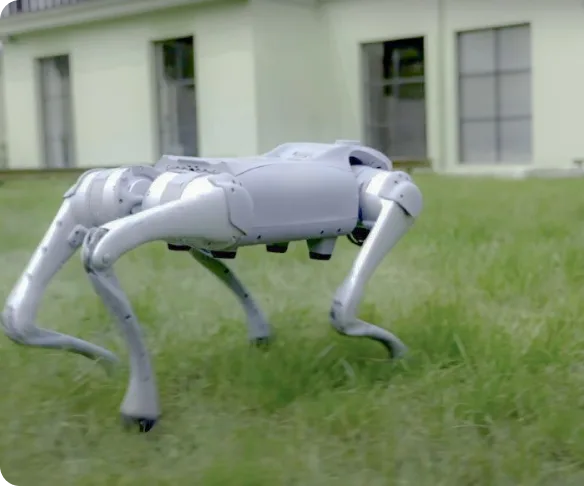
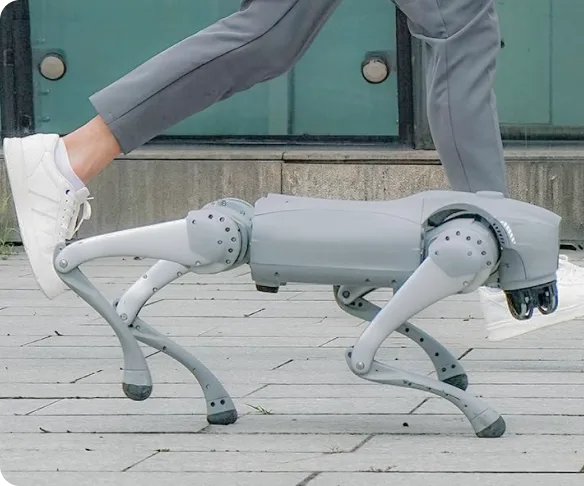
Toborlife’s lineup includes models that specialize in autonomous patrolling, motion detection, and real-time alerts. Each unit is designed with customizable modules giving users the flexibility to adapt to their robot’s purpose. This sets Toborlife apart from many startups still in testing.
If you’re looking for technology that’s ready now, rather than still in development, Toborlife’s products offer that balance between precision and reliability. You can explore available models and shop directly at toborlife.ai.
Safety and Ethical Considerations
The idea of having a robotic companion or security unit in your home raises important questions. How will privacy be maintained? Who owns the data these robots collect?
OpenMind’s early program aims to answer some of these concerns by gathering feedback directly from users. Participants will test the robots in day-to-day activities and report on their performance, comfort, and safety. The company has stated that it uses encrypted storage systems and does not allow remote access without permission.
Still, the broader robotics industry will need clear standards as more devices enter public and private spaces. Toborlife AI has already begun implementing transparent policies about data use and security, ensuring that user privacy remains protected.
The Role of Robotics in Caregiving
One of the most exciting aspects of these new robots is their potential in caregiving. The ability to monitor daily activity, detect anomalies, and provide reminders could help elderly individuals maintain independence.
Imagine a robot that reminds someone to take medication, notifies family members if it detects inactivity, or assists with simple household routines. These capabilities are still developing, but they point toward a future where AI-driven machines contribute to emotional and physical well-being at home.
Companies like Toborlife AI are already exploring ways to integrate these caregiving tools into their commercial units, combining safety functions with interactive assistance.
What Comes Next for Home Robotics
As OpenMind’s pilot program launches, it represents more than just a test of hardware. It’s a test of trust between humans and machines. The outcome will help shape how companies like Toborlife AI refine their designs for future generations.
If successful, we may soon see commercial options for affordable, user-friendly robots designed for both protection and companionship.
The combination of AI-driven behavior and adaptive mobility could redefine what we expect from home technology.
Final Thoughts
The home robotics movement is accelerating fast in 2025. OpenMind’s upcoming trials signal that autonomous quadrupeds are no longer limited to factories or labs. They’re coming to homes, ready to assist, protect, and learn.
For those who want to experience the future of robotics today, Toborlife AI provides accessible, reliable, and high-performing solutions.
Explore the latest models and innovations at toborlife.ai and see how robotics can become part of your daily life.

Comments are closed for this post.