The Future of Robotics Is Open
The highlight of NVIDIA’s new launch is the Newton Physics Engine, now available within NVIDIA Isaac Lab. Unlike traditional physics systems, Newton allows developers to simulate how robots behave in complex environments like snow, gravel, water, uneven ground, or even indoor surfaces.
This simulation realism isn’t a small step. It helps train robots to handle challenges safely before they ever touch a real-world surface. Developers can test thousands of variables in virtual space, eliminating the high costs of physical trials.
Another major advantage? NVIDIA made the Newton Engine open-source. That means robotics startups, university labs, and independent developers can all use the same tools top research teams do.
It’s a big shift toward accessible innovation, giving smaller teams a fair chance to compete.
Foundation Models Designed for Robots
NVIDIA’s update goes far beyond a new physics library. The company also unveiled Isaac GR00T N1.6, a foundation model trained to understand movement, balance, and coordination for humanoid and mobile robots.
Alongside it, NVIDIA released Cosmos World Foundation Models (WFMs) — a set of advanced models that help connect simulated behavior to real-world application. For example, the Cosmos Reason model helps robots analyze and respond to their environment, an essential step for building adaptive physical intelligence.
Together, these models make it easier for robots to train on diverse tasks. Everything from warehouse logistics to human interaction. For developers, this means less manual coding and more learning-based evolution.
NVIDIA’s Hardware Is Part of the Equation
To make all of this work seamlessly, NVIDIA also introduced new hardware infrastructure optimized for robotics. This hardware-software combination creates a full ecosystem. Robots can be designed, trained, and deployed using a single consistent framework.
That includes:
- Rack-scale systems using Grace CPUs and Blackwell GPUs for large-scale robot training
- RTX PRO servers designed for simulation workloads
- Jetson Thor embedded systems that allow real-time inference on the robot itself
Collaboration Across the World
Top universities and research labs are already experimenting with NVIDIA’s open models. Stanford University, ETH Zurich, and the National University of Singapore are all using Isaac Lab and the new Newton Engine in their ongoing research.
This growing ecosystem shows how rapidly physical AI is evolving. Collaboration across institutions will accelerate progress, setting a shared standard for the next wave of humanoids, service robots, and robotic dogs.
And for companies like Toborlife AI, this progress is key. As open-source robotics evolves, so does the opportunity to integrate these advancements into consumer-ready designs. That’s where Toborlife’s innovation stands out, bridging the line between cutting-edge robotics and accessible home and business solutions.
Why This Release Important for Developers
The robotics industry has been waiting for tools that balance realism, accessibility, and scalability. NVIDIA’s new library checks all three boxes.
Here’s what developers get:
- Accurate simulation: Newton can replicate contact forces, movement shifts, and material responses.
- Faster iteration: You can test multiple robot behaviors in hours instead of weeks.
- Easy transfer to real robots: What you train in Isaac Lab can be directly deployed to hardware.
- Community-driven innovation: Open access means faster collaboration and shared improvements.
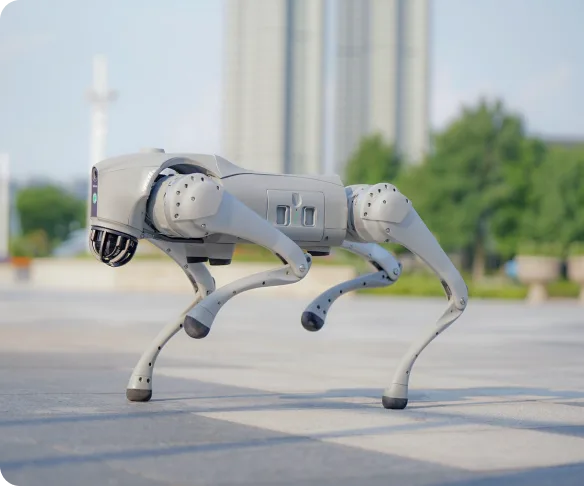
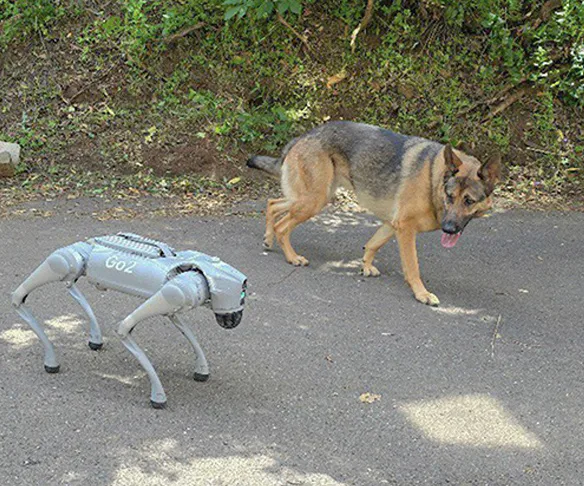
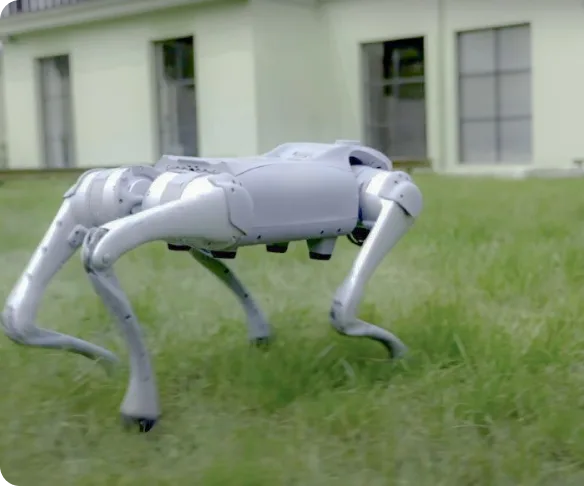
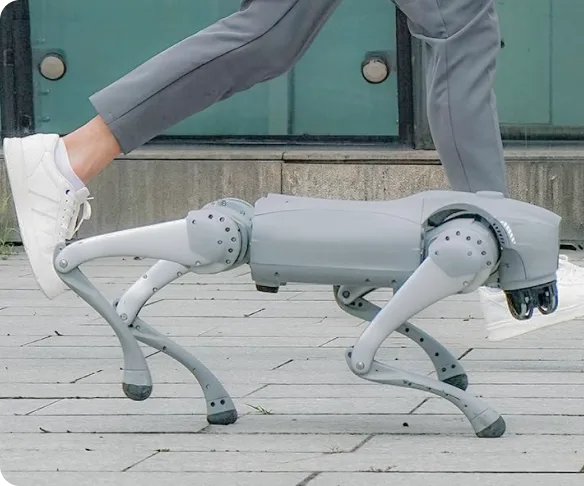
For companies building quadruped robots like the Unitree Go2 Pro, these tools could help fine-tune performance before physical production. From balance algorithms to movement prediction, simulation now becomes the new testing ground.
A Step Forward for Physical Intelligence
Robots that think and react like humans need more than pre-coded instructions. They require physical intelligence, the ability to understand motion, balance, and dynamic environments. NVIDIA’s open models help with exactly that.
By combining AI reasoning with physical simulation, developers can now train robots that learn from real-world data. This approach is critical for robotics used in law enforcement, healthcare, delivery, and exploration.
In the long run, these developments will make it easier to design robots that are not just functional but adaptable. Robots that can recognize obstacles, respond to change, and perform with human-like precision.
Toborlife’s Vision in a Changing Industry
At Toborlife AI, we see these breakthroughs as the next step toward a more interactive world. As NVIDIA’s ecosystem becomes open to all, Toborlife aims to take the same philosophy into commercial robotics, offering solutions that are functional, efficient, and accessible.
Our focus is on bringing cutting-edge robotics closer to everyday life. Products available on toborlife.ai are designed with precision, balancing high performance with user-friendly control systems.
When new standards like Newton Physics Engine reshape the field, we integrate those lessons fast so our customers can benefit from the same level of sophistication seen in top-tier research labs.
If you’re exploring the Unitree Go2 Pro price or comparing models for your next robotics investment, remember to check what makes Toborlife’s collection unique. Our devices offer superior adaptability and long-term reliability, designed for both enthusiasts and professionals.
What’s Next for the Robotics Community
The open-source movement led by NVIDIA will likely push other tech companies to follow suit. Future iterations of the Isaac ecosystem could include improved humanoid behavior modeling, real-time adaptation systems, and direct physical training environments for custom-built robots.
More importantly, developers will have more freedom to test, experiment, and build safely without major financial barriers. That freedom is exactly what will drive the next decade of robotics innovation.
The Bottom Line
NVIDIA’s open models and Newton Physics Engine aren’t just software updates. They’re an infrastructure leap. They give developers, educators, and innovators the freedom to build faster, test smarter, and deploy with confidence.
For those ready to join the next wave of robotics, Toborlife.ai is the perfect place to start. Our collection of advanced robotic systems gives you access to technology built for the future that is reliable, precise, and ready to evolve.
Innovation is speeding up. Robotics is no longer confined to labs. And with open platforms and accessible technology, everyone has the chance to shape what comes next.


Comments are closed for this post.