A Closer Look at A2 Capabilities
Below we will explore technical layers that matter in construction settings.
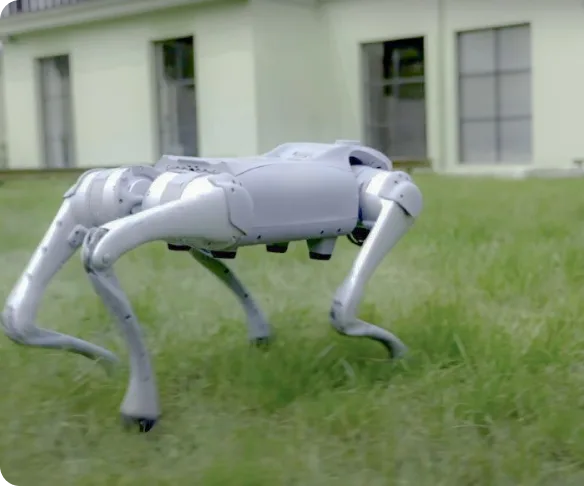
Construction sites are unpredictable. Loose gravel. Wet concrete. Incomplete flooring.
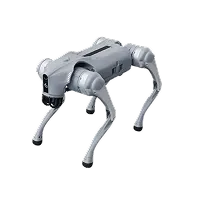
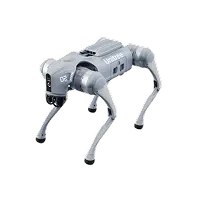
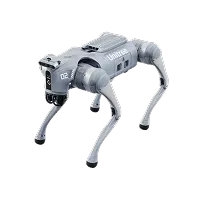
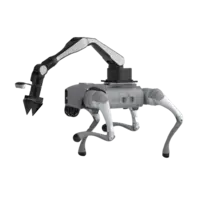
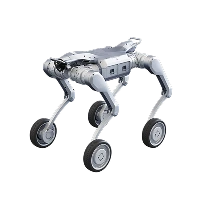
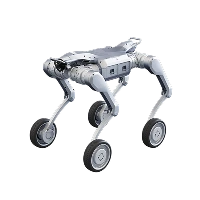
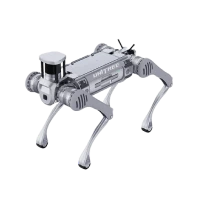
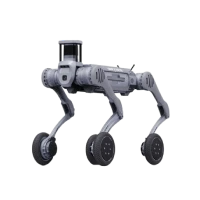
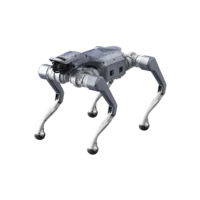
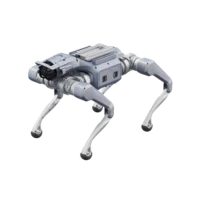
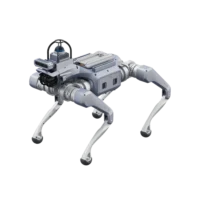
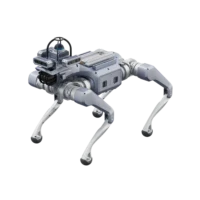
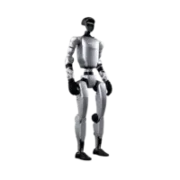
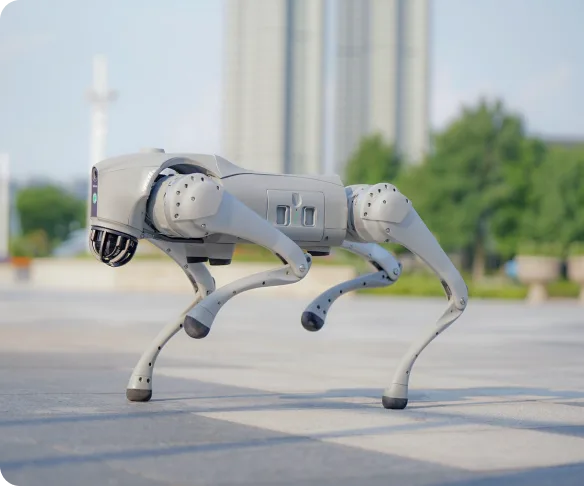
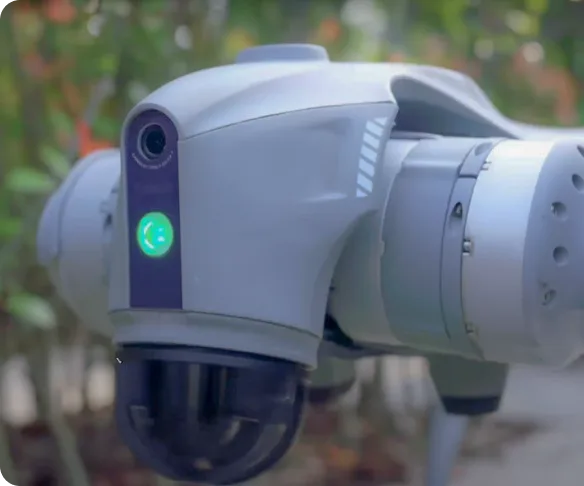
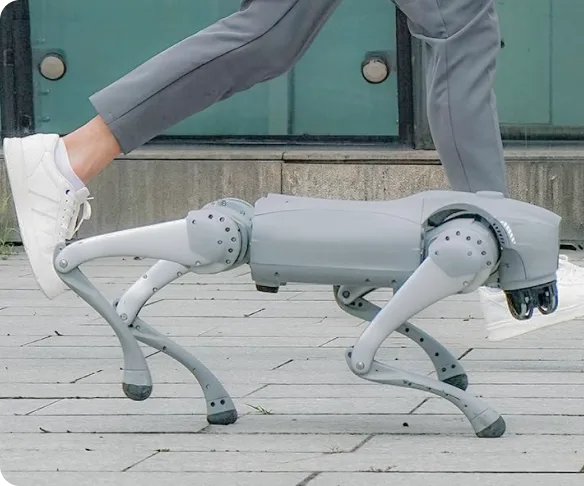
A2 platforms integrate advanced balance algorithms and adaptive gait control to maintain stability across variable terrain.
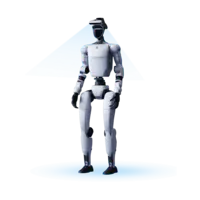
Edge AI enables advanced crack detection, structural scanning, thermal mapping, hazard monitoring, and automated site progress documentation. The collected data flows directly into digital project management systems, improving transparency, tracking, and operational accountability.
Modern construction robotics requires fleet coordination. Multiple units can map large sites, transmit data to centralized dashboards, and assist supervisors with real-time updates.
Construction robotics in 2026 is not about isolated devices. It is about integrated systems that enhance visibility, accountability, and operational efficiency across the entire project lifecycle.
When evaluating Unitree A2 price benchmarks, firms increasingly consider fleet-level ROI. The analysis goes beyond hardware cost and factors in downtime reduction, safety improvements, and accelerated inspection cycles.
Economic Impact on Construction Firms
Robotics adoption shifts cost structures. Short term, there is capital investment. Long term, there are measurable returns.
Below are three performance outcomes firms are reporting:
- Reduced accident-related downtime
- Faster site inspections
- Improved compliance documentation
Robotics also supports workforce retention. Younger engineers entering the field expect digital integration. Robotics deployment signals modernization.
Companies that integrate robotic platforms position themselves as innovation leaders.
Workforce Integration in the Age of Construction Robotics
This is where the role of augmentation becomes clear.
Construction robotics works best when paired with workforce training programs. Supervisors learn to operate dashboards. Engineers analyze robot-collected data. Technicians handle maintenance.
The conversation trade unions are pushing forward is about inclusion. Technology must uplift workers, not sideline them.
Construction robotics provides a practical model. It reduces risk exposure while increasing worker oversight roles.
That balance strengthens long-term social acceptance.
Why 2026 Is a Defining Year for Construction Robotics
Adoption curves are steepening.
Here is what makes 2026 different:
- AI hardware costs are stabilizing
- Edge processing is more efficient
- Robotics durability has improved
- Actuator precision continues to improve
- Labor shortages remain unresolved
Firms delaying robotics integration may face competitive disadvantages.
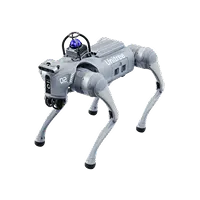
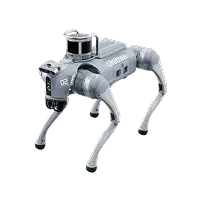
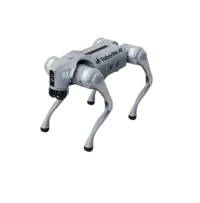
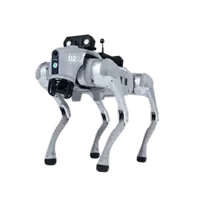
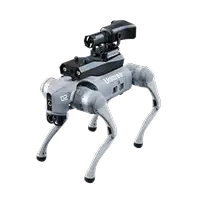
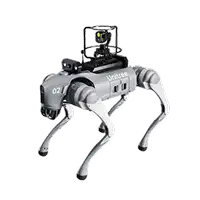
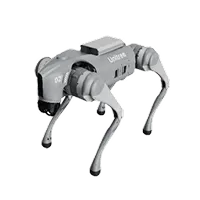
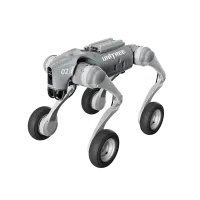
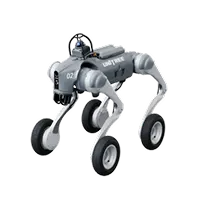
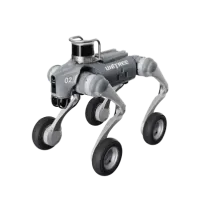
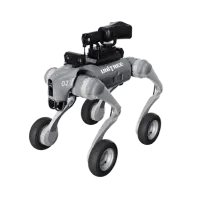
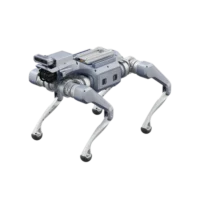
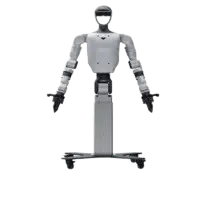
Platforms like A2 Stellar Hunter are entering a market that is ready for structured scaling.
For firms evaluating procurement, exploring the A2 robot for sale options through toborlife.ai provides a streamlined path.
Looking Beyond Price Signals to Long-Term Deployment Strength
There is growing curiosity around unitree a2 price benchmarks and competitor platforms, which is expected in an expanding robotics market. However, pricing alone does not define long-term success. The real differentiator is deployment support and ecosystem reliability.
At Toborlife AI, the focus goes beyond hardware. The emphasis is on guided implementation, structured technical onboarding, ongoing firmware updates, and alignment with real industrial use cases.
Companies looking to buy A2 robot solutions should evaluate the full integration pathway, not just the device specifications. This is where Toborlife AI stands apart. Because we know that robotics is not a one-time purchase. It is a continuous operational integration process that requires sustained support and scalability.
The Bigger Picture for Construction and Society
Construction robotics sits at the intersection of technological growth and labor transformation.
If deployed responsibly, it enhances:
- Worker safety
- Project efficiency
- Data transparency
- Skill development
If deployed without inclusion, it risks backlash.
The key takeaway from 2026 industry conversations is clear. Augmentation drives acceptance. Replacement drives resistance.
Construction firms have an opportunity to lead by example.
Looking Ahead
Robotics in construction is scaling fast. AI-powered mobility platforms are entering real job sites. Data-driven inspection workflows are becoming standard practice.
The industry stands at a pivotal moment.
Companies that act now can improve safety, productivity, and workforce capability in parallel.
Explore advanced construction robotics solutions at Toborlife and discover how the A2 robot for sale can support your next project phase.


Comments are closed for this post.