Let’s take a closer look at how this exhibit is turning futuristic robotics into something you can actually see, touch, and learn from up close.
The Rise of Public Robotics Interaction
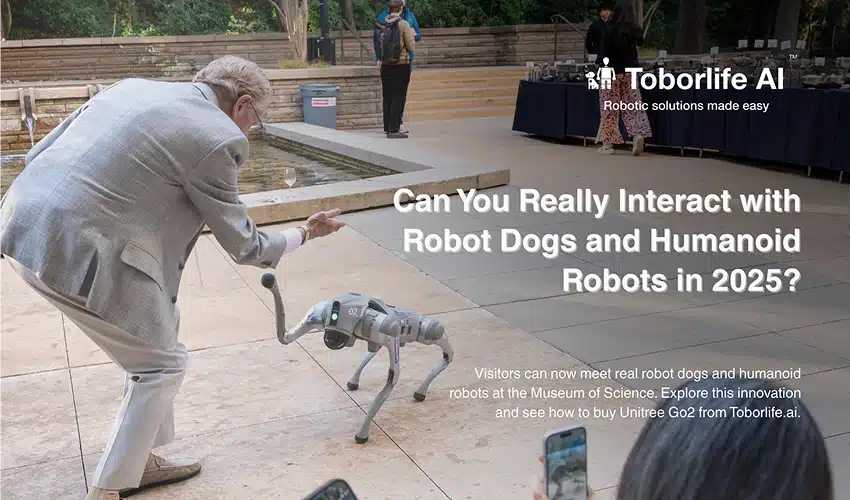
The Museum of Science is letting people connect with them. Guests can ask questions, touch the machines, and even see live demonstrations during the “Robot Roundup,” a show where these mechanical creatures perform jumps, rolls, and tricks on stage.
For many, this is their first time seeing how robots move in real space. It breaks the barrier between humans and machines, showing that robotics isn’t confined to labs or sci-fi movies.
Museum educator Kate Macakanja explained that this public exposure is essential. She said it’s important for people to see and understand robots now because they are becoming a bigger part of everyday life.
That includes robotics used in education, logistics, rescue operations, and home companionship. These are the areas where companies like Toborlife.ai are leading the way.
Inside the Exhibit: A Glimpse into the Future
The exhibit is divided into several sections where visitors can explore robotic design, learning, and movement. The museum features not just Spot and Go2, but also humanoid robots and advanced prototypes from research institutions.
One of the crowd favorites is Stompy, a bipedal robot that stands about as tall as an eight-year-old child. It walks on two legs, waves, squats, and shakes hands with visitors. The robot’s human-like movements often surprise people with their smoothness. Then there’s MIT’s Cheetah 2, known for sprinting up to 13 miles per hour and leaping over 18-inch barriers, showing what high-speed robotics can look like in motion.
Nearby, Toyota’s Punyo demonstrates how a robot can lift and carry household objects safely showing how robotics research aims to improve daily living.
Together, these exhibits paint a clear picture: robotics is moving fast toward integration with daily life. The boundary between scientific research and public use is fading.
The Power of Interaction and Curiosity
One of the exhibit’s most exciting parts is how it invites visitors to think critically about robotics. Staff members walk around answering questions about sensors, movement, and learning algorithms. They explain how robots like Spot and Go2 are controlled—sometimes manually, sometimes through pre-programmed routines.
This openness helps people understand that while robots appear autonomous, they often rely on human input for complex coordination. Still, the balance between control and independence is improving rapidly with advances in learning systems and sensor fusion.
When visitors see a robot climb stairs or balance on uneven terrain, they start asking deeper questions: Could this help in rescue missions? Could it work alongside people at home?
These are exactly the kinds of questions Toborlife.ai seeks to answer through innovation and user-driven design.
From Science Exhibit to Real-World Possibility
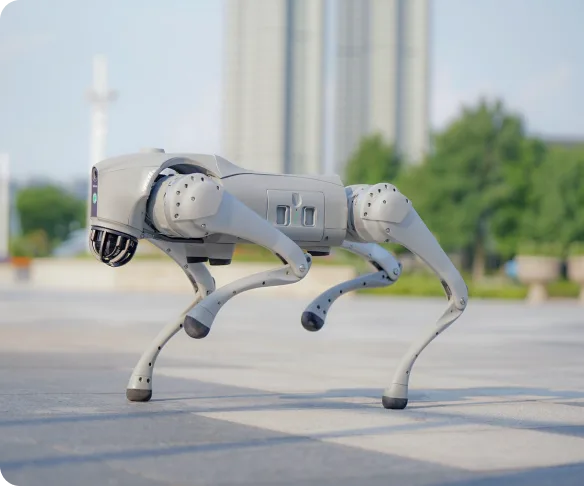
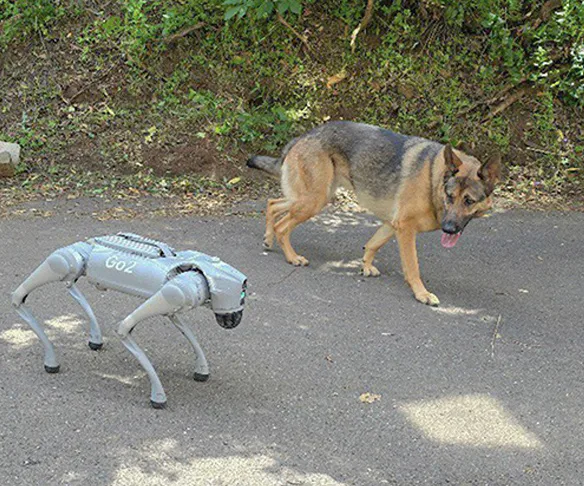
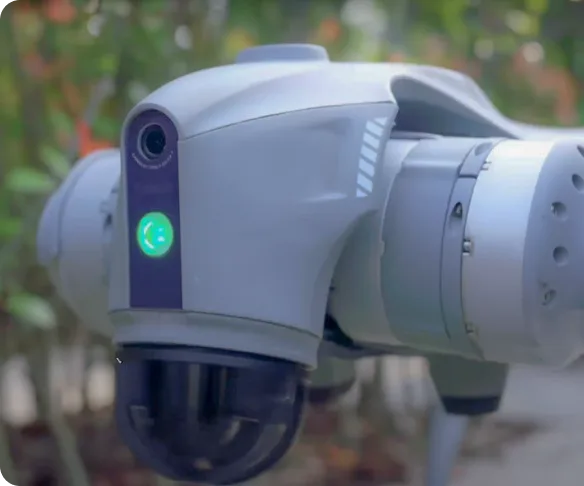
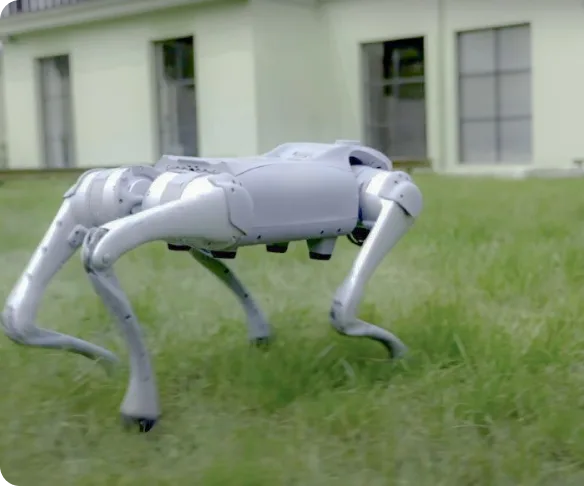
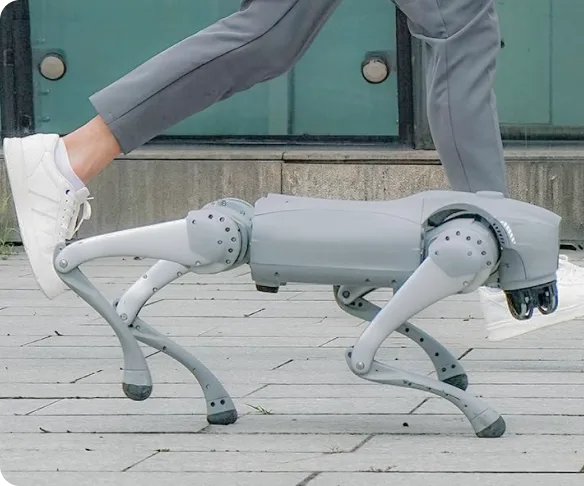
The technology behind these robots isn’t just for display as it’s already shaping real-world products. Quadruped robots like the Unitree Go2 show how robotics can adapt to outdoor exploration, research, and interactive education.
The Unitree Go2 EDU in particular demonstrates how powerful yet approachable robotics can be. It can recognize its surroundings, maintain balance across uneven surfaces, and learn from programmed scenarios. For educators and researchers, it’s a valuable hands-on tool for understanding motion planning, perception, and control.
If you’re considering exploring robotics on a personal or professional level, you can buy Unitree Go2 models directly through trusted platforms. But for those seeking a deeper integration of robotics into everyday use, Toborlife.ai offers personalized solutions and AI-powered companions designed to learn, adapt, and grow with you.
The Ethical Side of Robotics
The museum isn’t only focused on movement. It’s also opening a dialogue about the future of robotics and ethics. Educators encourage discussions about responsible development and the role of legislation in keeping humans at the center of technological progress.
As Kate Macakanja said, “I think it’s really useful for people to have a chance to see them, learn more about them, and ask questions about them.” The exhibit turns curiosity into awareness, helping society prepare for a world where robots become daily companions instead of distant concepts.
At Toborlife.ai, that same ethical mindset guides our designs. Our vision is to create machines that respect human environments, understand interaction boundaries, and provide real assistance where it’s needed most.
Toborlife’s Vision for Human-Robot Connection
While museum exhibits like Exploring AI introduce people to robotics, Toborlife.ai is bringing that interaction into homes and workspaces. Our mission is simple: make advanced robotics accessible, functional, and personal.
We believe robots should do more than perform tasks; they should build trust and reliability. From service assistance to educational support, our focus is on adaptable robotics that connect technology to real human needs.
What makes Toborlife different is how we design for comfort and engagement. Our robots are intuitive to use, easy to integrate, and flexible in purpose whether for education, assistance, or companionship.
The Road Ahead
As robotics becomes more visible to the public, more people are beginning to imagine how it fits into their daily lives. Events like the Robot Roundup are more than entertainment—they are steps toward widespread adoption.
Soon, the same technology that fascinates visitors at the museum will power home assistants, caregiving robots, and even mobile learning companions. The future of robotics won’t just be something to observe as it will be something you can live with.
At Toborlife.ai, we see that the future is taking shape right now. Our goal is to make robotic technology approachable, reliable, and emotionally intelligent for everyone.
Experience the Future with Toborlife.ai
If seeing Spot in action makes you imagine owning your own agile, intelligent robot companion, now’s the time to explore the next step.
Visit Toborlife.ai to see how our innovations redefine what robotics can do for your lifestyle, education, and everyday comfort.

Comments are closed for this post.