The R1’s mix of mobility, simplicity, and cost creates new opportunities for hands-on humanoid exploration.
How? Let’s find out!
A New Direction for Affordable Humanoids
Most humanoids in the past were priced far above what schools and research groups could justify. Earlier models often started above ten thousand dollars. Unitree’s older G1 robot cost more than thirteen thousand dollars. This made humanoids interesting for research but difficult for widespread adoption.
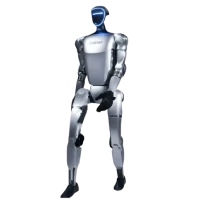
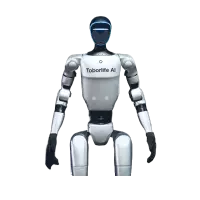
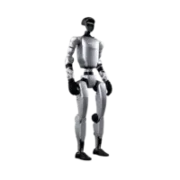
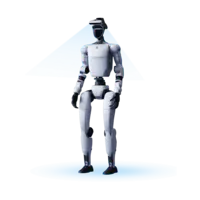
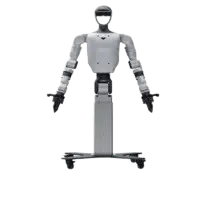
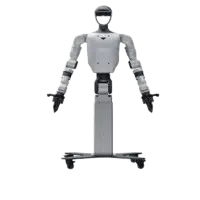
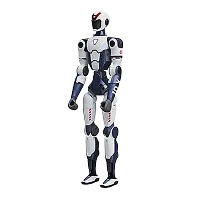
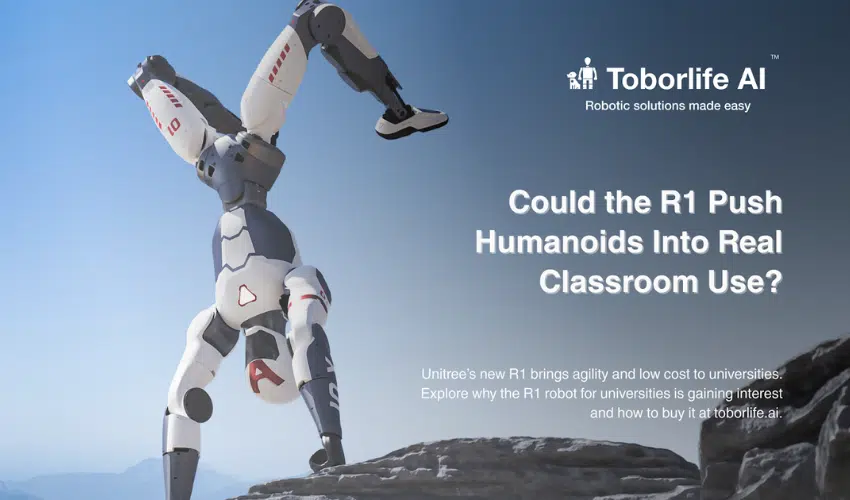
The R1 marks a turning point. Its price makes it realistic for universities to expand robotics courses to include bipedal motion, gesture control, and coordination tasks. The unit stands around 1.2 meters tall and weighs about twenty five kilograms. Its lightweight frame helps students handle and position the robot safely in classrooms or research labs.
This affordability also signals where the industry is moving. Costs will continue to fall as companies refine manufacturing and combine more tasks into a single hardware line.
How Unitree Managed to Reduce the Price
Unitree kept the cost low by controlling each step of development. Most robotics companies split design, testing, and production across different facilities. This adds extra expense that transfers to customers.
Unitree’s approach is different. The company:
- Designed its own components
- Manufactured key parts in-house
- Optimized joint structures
- Simplified assembly
- Reduced supply chain dependency
By controlling the full cycle, the company avoided unnecessary additions that inflate the price of many humanoid robots.
This decision helped create the R1 as a more accessible platform for university research and robotics programs.
Motion Features That Support Academic Use
The R1 supports twenty six joint points across the body. This gives it a wide range of movement patterns. The robot can perform dynamic actions such as cartwheels, jumps, and quick posture transitions. These movements are not only visually impressive. They help students study mechanical timing, balance control, and center-of-mass adjustments.
For classroom use, these features offer practical value. Students can observe:
- Joint angle coordination
- Speed changes across limbs
- Balance before and after a movement
- Impact recovery
- Controlled rotation
- Hand and arm alignment
These lessons help new engineers understand how humanoids maintain stability during dynamic activity.
Because the R1 is not overly heavy, universities can run these exercises without major safety concerns.
Why the R1 Fits University Programs Well
Universities need humanoids that can be used frequently without complex preparations. Many older humanoids required specialized storage, heavy equipment for lifting, or large open spaces.
The R1 solves these issues through:
- A compact design
- Manageable weight
- Lower power draw
- Predictable posture control
- Simple movement commands
These changes make it easier to operate the robot in a campus environment. Students can move the R1 between classrooms or testing areas without extra support.
This makes it useful for courses in:
- Robotics engineering
- Computer science
- Mechanical design
- Machine interaction
- Prototype exploration
- Motion analysis
Why Universities Need a Trusted Dealer
When universities purchase robotics hardware, they require:
- Clear documentation
- Reliable vendor communication
- Academic pricing details
- Accessible support
- Predictable shipping
- Compatibility guidance
This is why many universities seek an R1 robot dealer for universities that understands the needs of educational institutions. They want a source that offers assistance on setup, data access, and long-term maintenance.
Toborlife AI supports this process by organizing information in a way that helps academic buyers compare models, understand features, and plan purchases. Our platform provides clean access to pricing paths and use-case recommendations, which helps universities integrate humanoids into new programs.
How the R1 Strengthens University Research
Humanoid research requires real movement data, not only simulation. When universities have access to a capable, affordable robot, they can run more tests and begin exploring projects that were not previously possible.
The R1 helps research groups study:
- Biped balance
- Motion planning
- Gesture response
- Multimodal interaction
- Joint reliability
- Learning sequences
Because the robot is reasonably priced, universities can purchase multiple units for team-based work. This allows groups to test different algorithms or design changes at the same time.
The R1 also supports open development paths, giving researchers more freedom to customize testing approaches.
Features That Support a Hands-On Learning Experience
Students learn more effectively when they can see how mechanical decisions influence performance. The R1 provides that connection through its movement range and technical simplicity.
Its class-friendly features include:
- Lightweight joints
- Controlled limb speed
- Balanced motion paths
- Stable foot placement
- Simple charging setup
These features give students frequent exposure to real hardware behavior. They help learners build confidence in working with robotics systems.
Because the R1 is not too expensive, professors can integrate larger group sessions into their teaching plans.
Why Toborlife AI Plays a Key Role in Access
Universities and research departments often need guidance when choosing robotics platforms. Many of them compare costs, features, and support options before making a decision. Toborlife AI simplifies this by offering detailed listings, organized performance notes, and direct contact options.
Academic buyers visit toborlife.ai to:
- Compare humanoid models
- Explore technical features
- Review classroom use cases
- Understand price structures
- Request dealer information
- Learn about new releases
This makes the purchase process smooth and reliable. It also helps teams plan future course expansions or laboratory upgrades.
The Direction Humanoids Are Now Moving Toward
The R1 shows that humanoid robotics is entering a new phase. It is becoming more accessible, more capable, and more aligned with educational needs. Developers and manufacturers now realize that affordability is essential for future growth.
The R1 gives universities a platform they can use for real learning. It opens the door for new projects, easier experimentation, and broader student involvement. The pricing also encourages more adoption across campus engineering programs.
As more institutions explore humanoid options, platforms like toborlife.ai continue to guide academic buyers toward the right tools, trusted dealers, and reliable upgrade paths.
If your university is preparing to expand robotics programs or introduce hands-on humanoid courses, visit toborlife.ai to explore the next steps.


Comments are closed for this post.