Events That Captured Global Attention
The Games featured a mix of sports and real-world tasks. Each event tested agility, endurance, and problem-solving.
Here’s what stood out most:
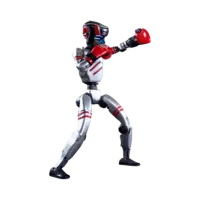
Robots squared off in controlled fights, throwing punches and testing balance. Some delivered surprising power, while others stumbled and collapsed under pressure.
Soccer fields turned chaotic as machines chased the ball, sometimes successfully, often leading to domino-style pileups when balance failed.
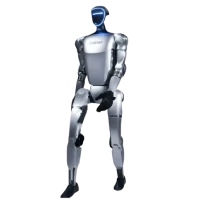
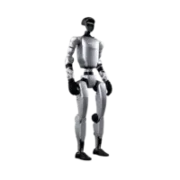
Unitree models dominated here. Four gold medals were awarded to its humanoids, proving the company’s edge in speed and stability.
Climbing and Cleaning Tasks
Not all competitions were about spectacle. Robots attempted to handle real-world tasks like cleaning surfaces and climbing stairs—skills that matter in practical deployment.
The Memorable Fails
Every breakthrough event also comes with viral moments. The Games had plenty of them.
- Robots tumbling head-first during sprints.
- Painful knockouts in kickboxing rounds.
- Machines collapsing on the soccer field and blocking others from playing.
Humans had to rush in regularly, pulling fallen robots off the field so competitions could continue. These moments drew laughs, but they also reminded the audience that robotics is still evolving.
The Bigger Picture Behind the Games
The first World Humanoid Robot Games were not only for show. They created a global testing ground where performance could be measured in front of the world. For engineers, businesses, and even governments, the outcomes provided a reality check on how close humanoid robots are to daily use.
These markers highlight both the breakthroughs and the limits. They show what can be applied today and what still requires more development before mass adoption.
- Balance and Recovery: Robots still stumble, but their ability to get back up is improving. In some matches, recovery was quick enough to continue competing.
- Speed and Endurance: Track and field events proved that humanoids can move faster and for longer periods than many expected. This shows progress toward real-world mobility.
- Task Adaptability: From climbing stairs to basic cleaning tasks, robots showed they can operate in spaces designed for humans. This is an early sign of practical value.
What Makes Unitree Stand Out
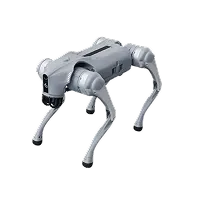
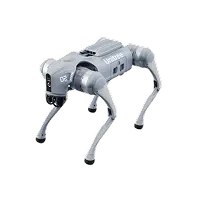
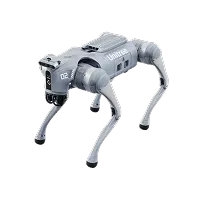
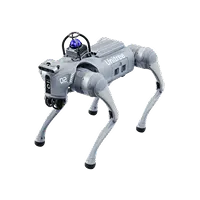
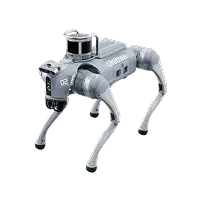
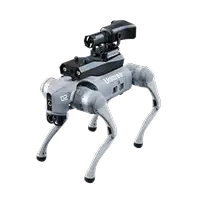
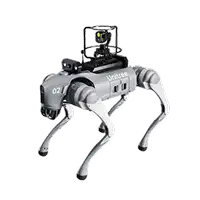
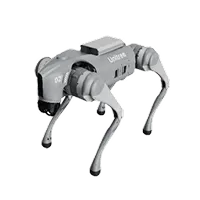
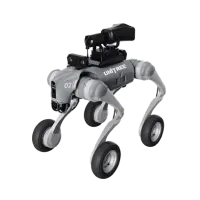
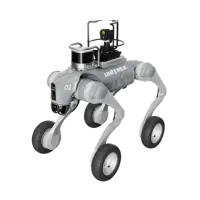
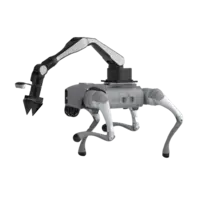
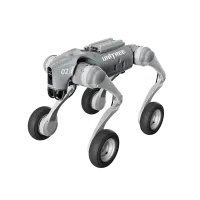
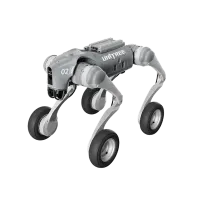
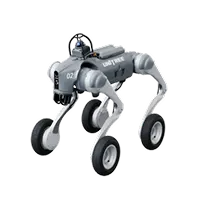
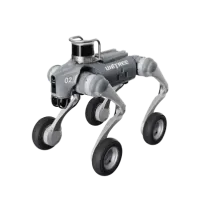
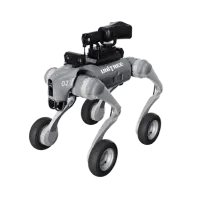
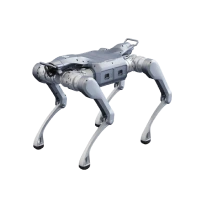
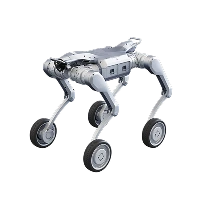
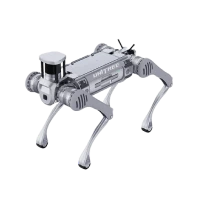
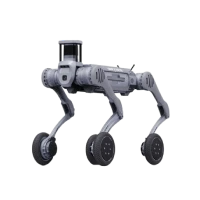
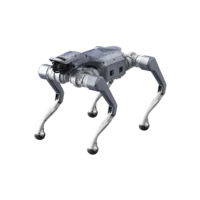
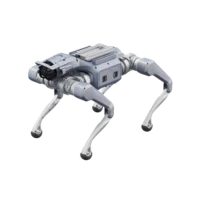
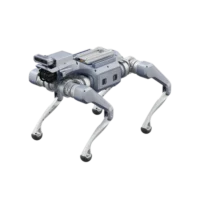
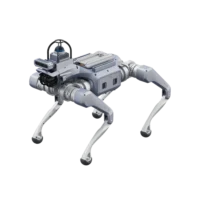
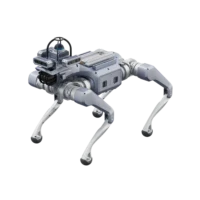
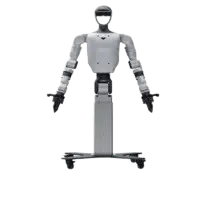
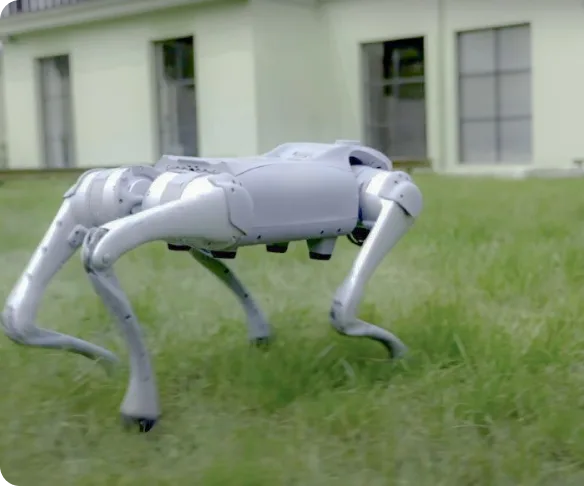
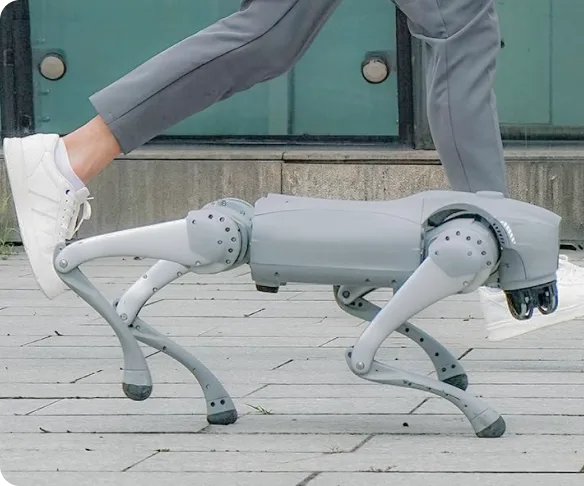
China’s Unitree walked away as the clear leader. With multiple golds, its robots proved reliable in competitive settings. The Unitree B2 in particular is viewed as a turning point—lighter, faster, and equipped with improved sensors for movement.
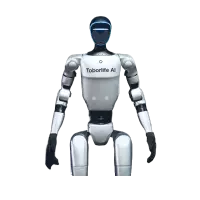
But here’s the bigger story: companies like Toborlife AI are bringing similar levels of performance into real-world applications. Instead of focusing only on competitions, Toborlife designs systems that deliver measurable value in logistics, hospitality, and care.
Lessons for Businesses Watching Robotics
For businesses, the question is not if humanoid robots will matter, but how soon they can be deployed at scale. This means organizations exploring robotics today need partners who can filter the spectacle from the substance.
The Games offered a clear preview.
- Robots are ready for repetitive and structured tasks.
- High-pressure or unpredictable scenarios still challenge stability.
- Maintenance and human support remain critical for reliability.
How Toborlife AI Brings Real Value
At Toborlife AI, we pay attention to events like the World Humanoid Robot Games, but our priority is translating innovation into tools businesses can use every day. Spectacles like robot kickboxing are exciting, but what matters most is how robotics can improve operations, reduce costs, and scale with growth.
- Real-world readiness: Our systems are designed for practical use, helping companies increase efficiency from the very first day.
- Cost-effectiveness: We build scalable solutions that make financial sense, whether you are a small business or a larger enterprise.
- Continuous improvement: With AI-driven updates, our products evolve alongside your needs, staying relevant as demands shift.
Toborlife AI is not about short-term attention. It is about long-term value, delivering robots and AI solutions that solve daily challenges with stability and precision. Explore our full lineup at toborlife.ai and see how our approach compares.
The Next Chapter for Humanoid Robot
The first World Humanoid Robot Games made history. It showed how far the industry has come and how close we are to seeing humanoid robots outside labs and competitions. From speed and strength to balance and endurance, progress is undeniable.
The sight of robots sprinting, boxing, and even cleaning marks the start of a new era. Failures are still part of the story, but each tumble pushes engineers to refine design and control.
For businesses, the lesson is simple. Now is the time to explore how robotics can fit into operations. The technology is moving fast, and those who act early will gain the most.
Final Thoughts
The Games may have entertained millions, but the impact is deeper. They proved that humanoid robotics is stepping into mainstream relevance. The wins, the failures, and the lessons are all part of the path forward.
If you are ready to see how this innovation can serve your business, visit toborlife.ai today. Compare solutions, discover cost-effective options, and explore models like the unitree b2 to take the first step toward practical robotics.
The future of robotics is no longer on the sidelines. It is in motion. And now is the time to be part of it.



Comments are closed for this post.