Let’s explore how these mechanical companions are changing the way we think about work, technology, and even companionship.
The Rise of the Robotic Dog
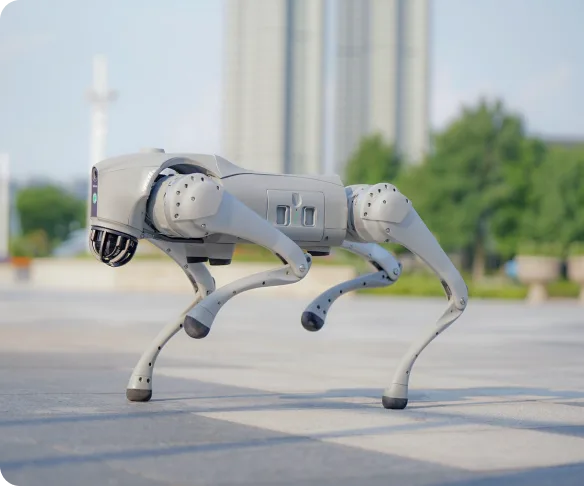
What started as a novelty experiment in advanced robotics has now become a practical revolution. Quadruped robots are the machines that mimic the movement of four-legged animals and are now active across industries worldwide.
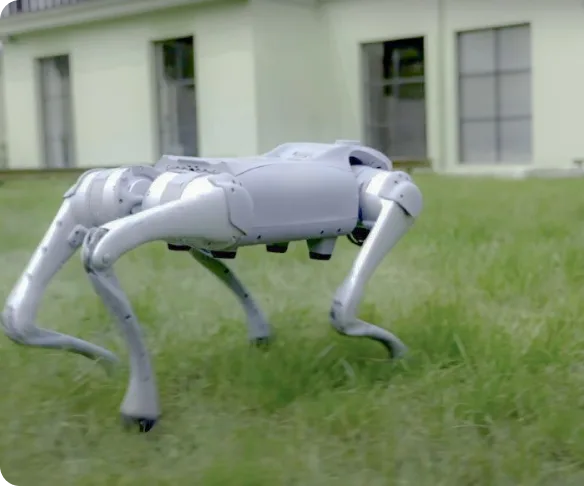
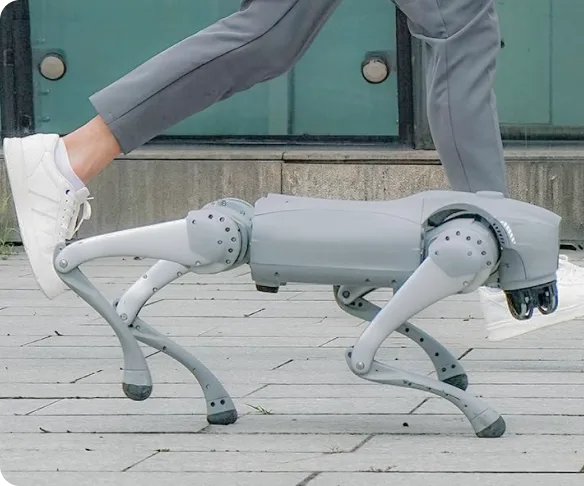
Leading models like Boston Dynamics’ Spot and Ghost Robotics’ Vision 60 have proven that robotic dogs can take on tasks once limited to humans or traditional machines. These robots walk, climb, and balance across rough terrain. They can navigate warehouses, monitor factory floors, and inspect remote sites where safety risks are high.
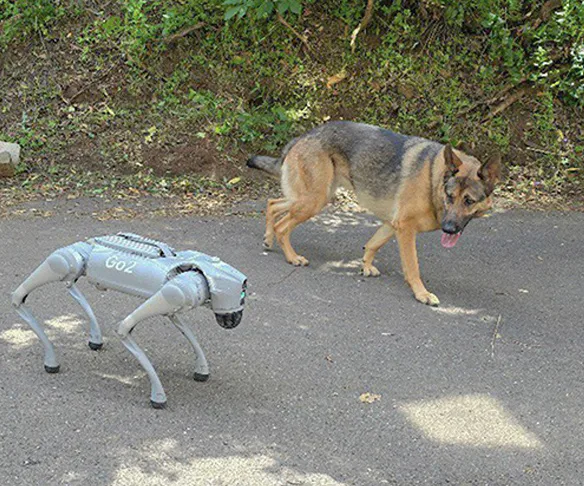
In healthcare, robotic dogs are finding purpose beyond utility. Companion models like Jennie by Tombot are offering emotional support to elderly individuals and patients with dementia. In education, research models like Unitree Go2 EDU are training the next generation of engineers.
And as these innovations spread, they’re inspiring companies like Toborlife.ai to make robotics more accessible, bringing cutting-edge technology to classrooms, businesses, and live events across the world.
From National Dog Day to Industrial Transformation
This year’s National Dog Day shines a light not just on man’s best friend but also on how robotic dogs are transforming how we work and live. These agile machines are redefining the idea of “service animals” for modern industries.
In security, they patrol campuses, construction sites, and restricted zones, using cameras, sensors, and real-time monitoring systems to detect movement or anomalies. They can operate for hours and collect detailed environmental data without fatigue or distraction.
In healthcare, robotic dogs serve as therapy companions, helping patients connect emotionally and cognitively. They provide comfort and structure for individuals struggling with anxiety or isolation.
In logistics and agriculture, these robots are managing tasks that require precision and endurance. They can traverse uneven ground, carry small payloads, or inspect large fields. With enhanced mobility, they adapt to environments where wheels or drones may fail.
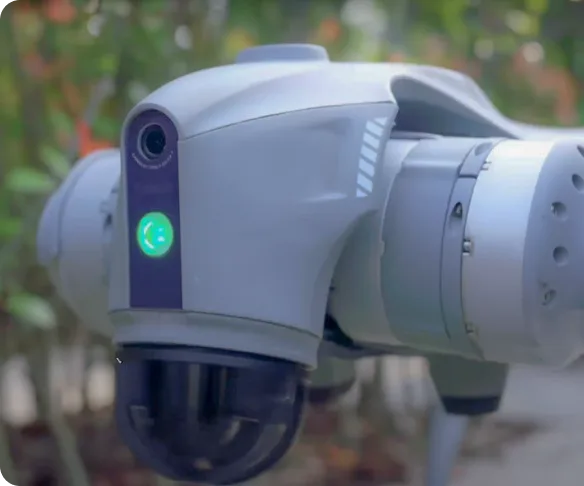
What makes them exceptional is not just their movement but their perception. Using AI and sensor fusion combining cameras, LiDAR, and GPS as they “see” and respond to their surroundings in real time. The result is an adaptive machine that can act independently and safely, even in unpredictable conditions.
How Robotics Is Changing the Workforce
Many industries are now exploring new ways to integrate robotic dogs into daily operations. Companies that once relied on fixed automation are shifting toward mobile robotics—flexible machines that can move through dynamic spaces.
In manufacturing, robotic dogs perform routine inspections, check temperatures, and detect mechanical faults before human workers even notice them. They reduce downtime, lower risk, and increase efficiency.
In construction, they map job sites and monitor progress. Equipped with thermal cameras and environmental sensors, they can detect structural changes, gas leaks, or moisture issues that might go unnoticed.
For emergency services, robotic dogs offer a new level of safety. They can enter hazardous zones, detect survivors, or deliver supplies during disasters. Their ability to operate autonomously makes them invaluable when human access is dangerous.
These advances show how technology isn’t replacing human work—it’s expanding it. People now work with machines, not against them. This collaboration brings precision, safety, and creativity to industries that need all three.
Education and Public Engagement
Robotic dogs are not only revolutionizing the industry. They’re also transforming how we teach and learn. Museums, universities, and science centers are letting the public interact directly with these machines.
The Museum of Science in Boston, for instance, lets visitors meet Spot in person. The robot climbs stairs, crosses rocks, and performs live demonstrations several times a day. Kids and adults watch in awe as robotics becomes tangible, not theoretical.
In classrooms, models like the Unitree Go2 EDU are teaching students about mechanical control, programming, and AI behavior. Students learn how a robot perceives space, reacts to input, and adapts to different terrains. These experiences prepare a generation to work confidently in a future where robotics is part of daily life.
At Toborlife.ai, we believe this kind of interaction should be available to everyone. That’s why we make it possible to hire robots for events or exhibitions bringing that same excitement and learning experience to schools, expos, and tech gatherings.
The Market Growth of Robotic Dogs
The global market for robotic dogs is expanding quickly. Industry reports suggest it could grow from about $1.2 billion in 2023 to nearly $5 billion by 2032. That growth reflects more than curiosity as it’s driven by practical adoption across industries.
AI and machine learning continue to evolve, giving robotic dogs better awareness and movement. Edge computing now lets them process data instantly on the device instead of relying on remote servers. This makes them faster, more independent, and ready for real-world use.
As production scales up, costs are expected to come down, making advanced robots accessible not just for corporations but for schools, research labs, and small businesses.
How Toborlife.ai Brings Robotics Closer to You
While major tech companies are focused on research and industrial deployment, Toborlife.ai brings robotics into everyday life. Our mission is simple: to help people and businesses experience the potential of advanced robotics firsthand.
We provide robot rentals for education, innovation, and engagement. From product demos to corporate events, from exhibitions to learning programs, our robots are ready to inspire. Each rental comes with technical support, setup guidance, and live interaction control, so anyone from students to entrepreneurs can explore robotics safely and easily.
At Toborlife.ai, we see robotic dogs not just as machines but as symbols of progress. They represent what happens when creativity meets engineering when technology becomes approachable and interactive.
Looking Ahead
Robotic dogs are no longer the distant dream of science fiction. They’re real, working, and redefining how industries function. Their role continues to grow in every field where adaptability, mobility, and precision are essential.
As more people experience these robots firsthand at museums, schools, or through rentals. The idea of working alongside them becomes natural. The gap between human and machine is shrinking, and the collaboration feels more intuitive every year.
The next chapter of robotics won’t be about machines replacing people—it’ll be about partnership, creativity, and shared innovation.
Let’s step into that chapter together. Visit Toborlife.ai to discover how our robotics solutions can enhance your work, your learning, or your next big event.


Comments are closed for this post.