Let’s take a closer look at how this innovation is changing the way law enforcement operates and what it could mean for the future of public safety.
The Rise of the “Robot Dog” in Los Angeles
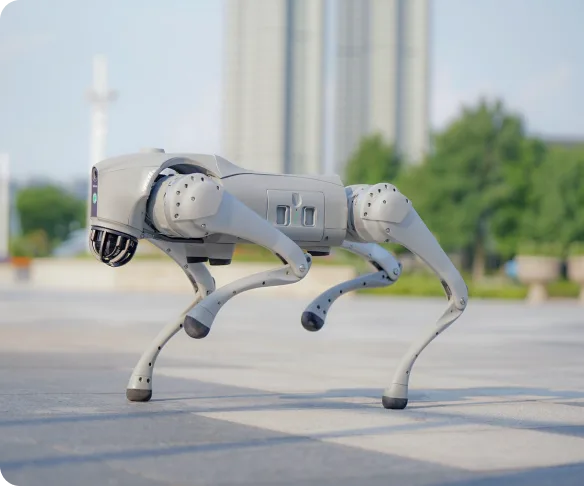
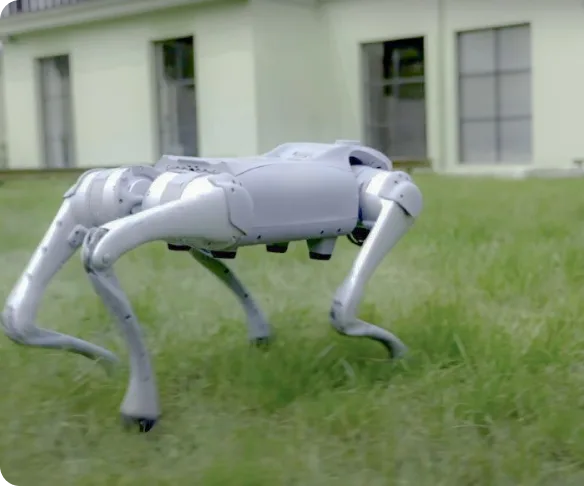
The robot, nicknamed Spot, joined the LAPD SWAT team after being donated by the Los Angeles Police Foundation. Priced at nearly $278,000, the device can climb stairs, cross debris, and even pick up small objects.
In 2023, Spot made its official debut during a tense encounter at a shopping plaza. The robot approached a barricaded suspect who had been threatening officers. Instead of sending humans closer to danger, the team sent in Spot. Through the robot’s camera and microphone, police could communicate safely and disarm the suspect without injury.
Since then, Spot has been used several more times in tactical missions. Each operation gives law enforcement a chance to test new scenarios from viewing barricaded suspects to inspecting public transit incidents. The results have been promising: fewer risks for officers and clearer real-time intelligence.
Why the Move Was Controversial
While the LAPD views the robot dog as a safety tool, not everyone has welcomed it. Some city council members voted against the robot’s use, citing its cost and intimidating appearance.
Community voices also raised concerns about privacy and potential overuse in vulnerable neighborhoods. Critics say that a walking machine with cameras can easily look more threatening than protective.
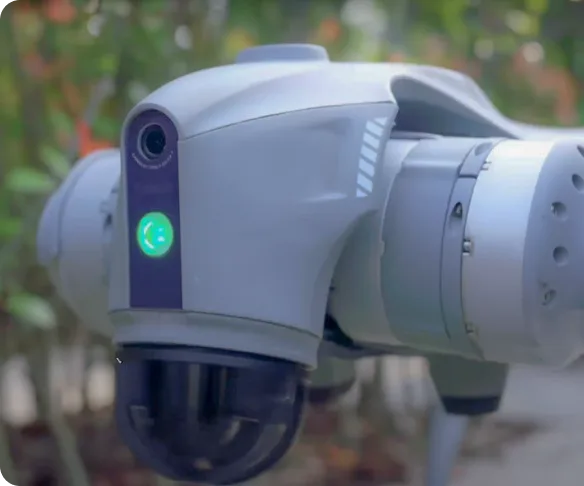
But the department emphasizes that the robot has no weapon capabilities and is not designed to intimidate. Instead, it functions as a visual extension for officers, helping them navigate unknown or high-risk environments.
According to Deputy Chief David Kowalski, who oversees the program, the key advantage of Spot is adaptability. “It can be placed in almost any environment and still perform,” he explained.
What It Means for the Future of Law Enforcement
In many ways, Spot represents the next stage of human-robot collaboration. Unlike the traditional image of police tools, the robot dog can serve as a neutral presence. It enters first, reducing human risk. It observes, records, and provides accurate data before decisions are made.
Some experts even argue that robots like Spot could help de-escalate situations by removing direct human confrontation. The presence of a robot often shifts the tone of tense encounters, allowing officers to communicate through technology rather than confrontation.
However, transparency remains a concern. While LAPD must report quarterly on how Spot is used, the video footage it records isn’t subject to public access. This has led to ongoing debates about how much visibility the public should have into robotic deployments.
From SWAT Missions to Everyday Security
The same robotics technology is now being adapted for commercial and private use. Companies and event organizers are exploring robot dog law enforcement models for patrolling large venues, construction sites, and warehouses.
Robots can monitor entry points, scan for hazards, and deliver live footage to security teams. They can move autonomously through mapped areas and detect irregular activity using sensors. Unlike human guards, they don’t fatigue or lose focus and they can operate continuously with minimal supervision.
Toborlife.ai is one of the few companies making these advanced robotic systems accessible for a wider audience.
Whether you’re looking to rent or purchase robotic solutions, the platform showcases models optimized for surveillance, logistics, and public safety operations.
The Bigger Picture: A Shift Toward Safer Operations
Technology like Spot is redefining how dangerous jobs are handled. From diffusing tense standoffs to assisting in search missions, robots are helping teams gain new layers of safety and visibility.
In Los Angeles, Spot’s deployments have shown that robotic assistance doesn’t replace human decision-making as it enhances it. Every movement and command still comes from trained officers, but now they can stay at a safer distance.
There’s also growing recognition of the mental health aspect. Facing a mechanical observer rather than an armed officer can reduce fear-driven reactions. This has helped lower the number of direct confrontations during operations involving barricaded suspects.
Public Reaction and Cultural Perception
While law enforcement praises the innovation, public reactions remain mixed. For many, the sight of a walking machine on four legs feels unsettling. It reminds them of fictional depictions in shows like Black Mirror.
Sociologists like Dr. Brittany Friedman point out that such imagery affects how people perceive safety and authority. A robot dog walking into a tense scene could feel more intimidating than intended, especially to those unaware of its purpose.
Yet, real-world outcomes are painting a different story. In several incidents, suspects surrendered without conflict after interacting with the robot. Spot’s calm, mechanical presence often replaced shouting or weapon displays. This is a subtle but significant shift in how crises unfold.
Lessons from Other States
The LAPD isn’t the only force testing robotic dogs. In Massachusetts, a similar unit called Roscoe was used by the State Police Bomb Squad. During one encounter, a suspect fired at the robot multiple times. Despite being damaged, Roscoe continued to relay information and prevented officers from entering the line of fire.
This highlights one of the most valuable uses of such technology absorbing the risk before humans do. Robots don’t tire, panic, or bleed. Their role is simple: to serve as extensions of human teams where safety and accuracy are critical.
What’s Next for Robotic Policing?
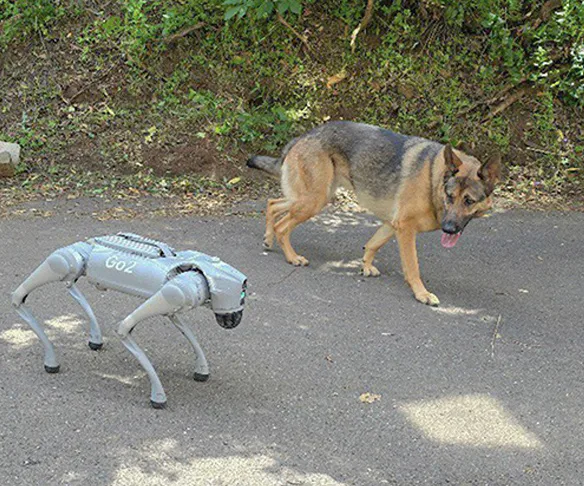
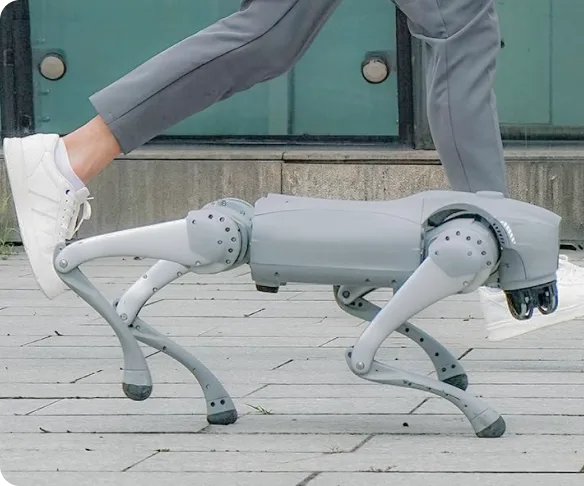
As robotics continue to evolve, law enforcement agencies and private industries are likely to see wider adoption of quadruped robots. Their ability to handle unpredictable terrain, record data, and assist from a distance makes them essential tools for modern operations.
For civilians and professionals curious about how these systems can enhance their own work. From security to logistics, Toborlife.ai is helping bridge that gap. The platform focuses on practical, adaptive robotics that fit real-world environments, making advanced robotics more approachable and useful.
Final Thoughts
The LAPD’s integration of a robot dog might once have seemed like science fiction. But in 2025, it’s part of daily operations, redefining how safety and strategy come together.
As more industries explore robotics for field use, the demand for reliable and customizable models will only rise. Toborlife AI is leading this next chapter while connecting innovation with real-life use.
Ready to explore the future of security and automation? Visit Toborlife.ai and discover how next-generation robots can make your operations safer, smarter, and more efficient.


Comments are closed for this post.