Supervised Deployment Is the Realistic Model
The strongest public-safety robotics stories in 2026 are not about full autonomy replacing trained professionals.
They are about supervised deployment.
A robot enters first.
A human team watches the data.
Operators decide what happens next.
The robot reduces uncertainty before people move in.
That is a practical model.
It also matches where the broader robotics industry is heading. Many organizations are not ready for fully autonomous robots in uncontrolled environments, but they are ready for robots that can be guided, monitored, and used as mobile sensing tools.
That makes robot dogs valuable now, even before autonomy reaches its final form.
What This Means for Commercial Buyers
Most Toborlife AI customers are not fire departments.
But the lesson still applies.
If robot dogs can help first responders think about safer entry, they can also help businesses think about safer inspection, smarter site monitoring, and better environmental awareness.
A commercial team may use a robot dog to inspect a facility before sending staff into an unusual condition. A school may use one to teach students how physical AI works in emergency-preparedness scenarios. A research lab may explore navigation, terrain movement, and human-in-the-loop control.
A facility operator may use a robot dog for routine patrol.
A construction site may use one for after-hours awareness.
The same core value keeps appearing.
Mobile robots make physical information easier to collect.
Where AS2 Fits Into the Safety Robotics Trend
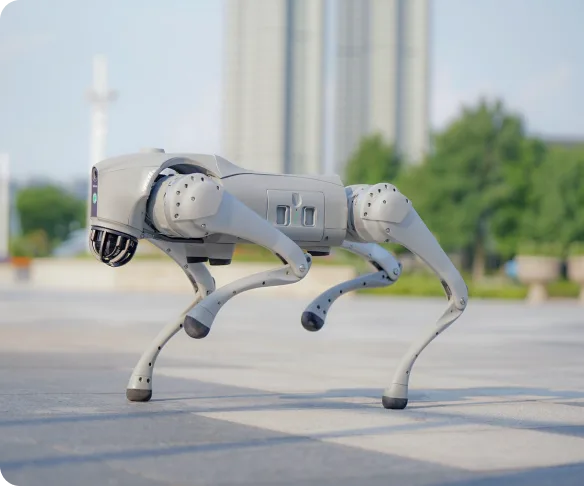
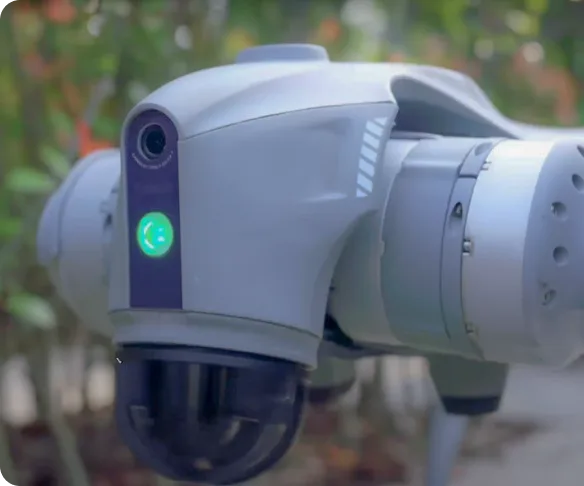
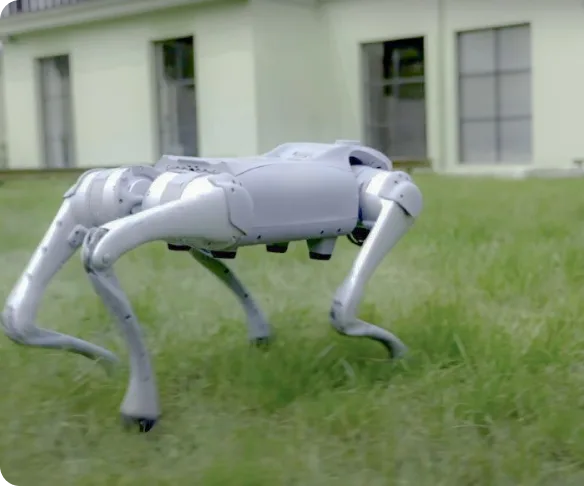
The AS2 line is relevant because it sits in the practical side of quadruped robotics.
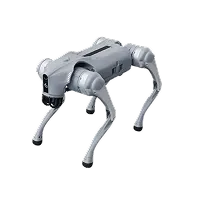
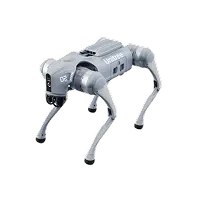
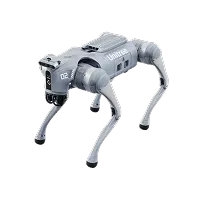
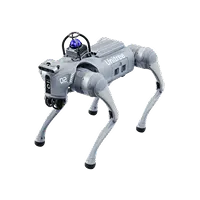
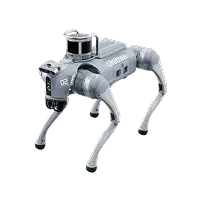
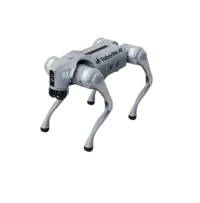
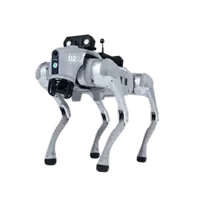
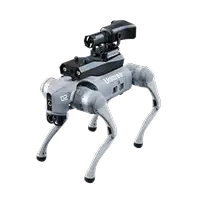
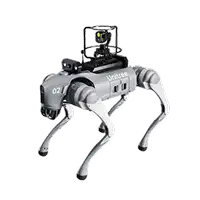
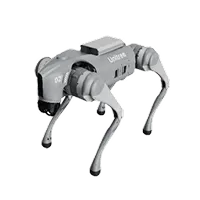
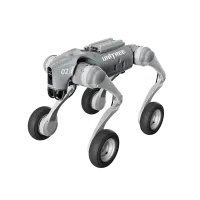
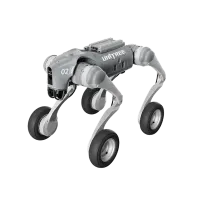
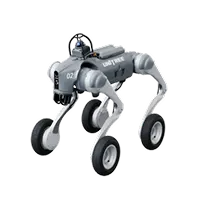
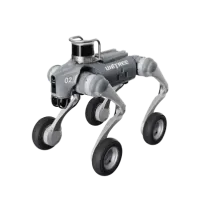
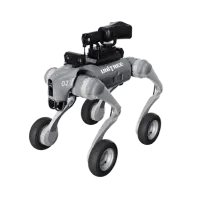
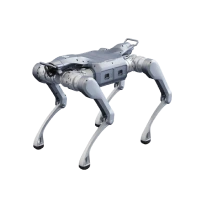
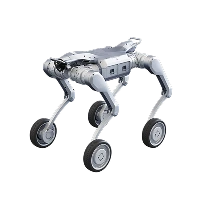
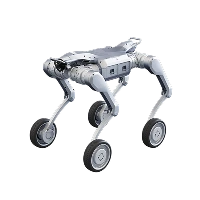
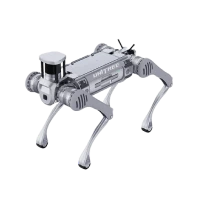
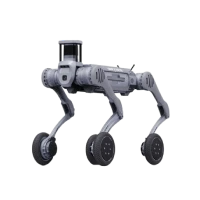
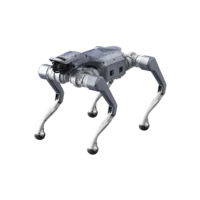
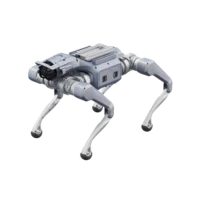
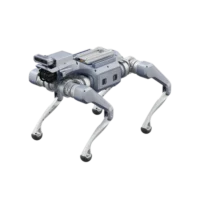
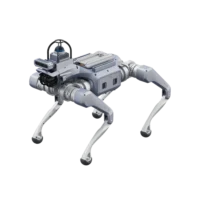
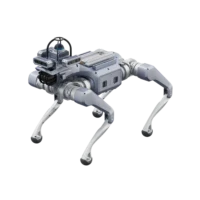
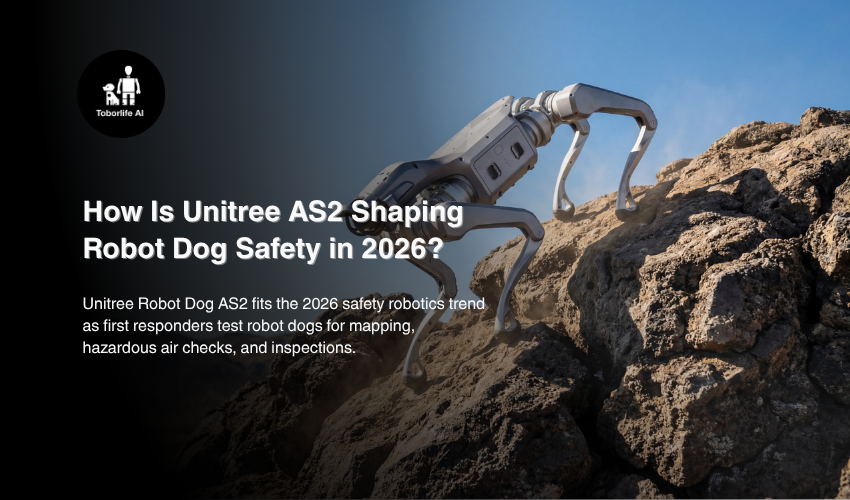
It is built around mobility, field use, and real-world movement rather than casual entertainment. For buyers exploring robot dogs for patrol, inspection, education, or R&D, the unitree robot dog as2 category gives teams a way to think about serious mobile robotics without jumping straight into highly specialized emergency-only machines.
The key is matching the robot to the environment.
Some buyers may need a general inspection.
Others may need research flexibility.
Some may need public demonstrations.
Others may want a platform for perimeter monitoring, facility walkthroughs, or supervised safety exercises.
That is why product guidance matters.
Toborlife AI Helps Buyers Choose the Right Path
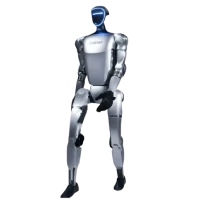
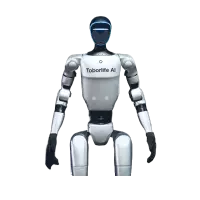
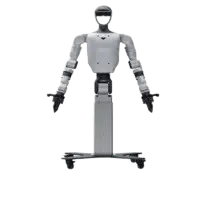
Toborlife AI gives U.S. buyers a clearer way to explore Unitree-powered robot dogs and humanoid robots based on real use cases.
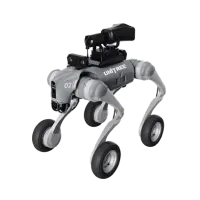
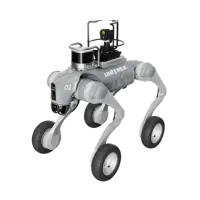
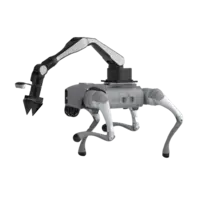
For buyers interested in AS2-related platforms, Toborlife offers A2, A2 Pro, and A2-W. These options help customers evaluate mobility, payload needs, terrain expectations, patrol goals, and inspection applications before purchasing.
That matters because robot buying should not start with hype.
It should start with the environment.
A robot used for a controlled classroom demo does not need the same plan as a robot used for facility inspection. A research team does not need the same configuration as a public-safety training group.
The better the use case, the better the buying decision.
Why This Trend Will Keep Growing
Robot dogs are gaining attention because they solve a physical problem software cannot solve by itself.
- They can enter spaces.
- They can move through terrain.
- They can carry sensors.
- They can send information back to humans.
- They can reduce the need for people to enter uncertain areas first.
That is why public-safety stories matter for the broader robotics market.
They show robotics becoming operational.
San Bernardino County also said RoboHawk will appear at public education events to introduce students to robotics and spark interest in science and technology careers.
That detail is important.
The same robot can support response readiness and education.
That dual-use value is one reason robot dogs are becoming more visible in 2026.
Safety Is Becoming a Robotics Driver
Robot dogs are no longer only interesting because they look futuristic.
They are becoming useful because they can go first.
In public safety, that means mapping buildings, checking hazardous air, searching risky spaces, and giving responders better information before human entry. In commercial environments, it can mean inspection, patrol, monitoring, research, and training.
The San Bernardino County story shows how quickly quadruped robots are moving from novelty into practical field use.
For buyers, the lesson is clear.
Do not evaluate robot dogs only by demo videos. Evaluate them by what they help your team see, test, inspect, or understand safely.
To explore options for inspection, patrol, research, or safety-focused robotics, visit Toborlife AI or contact the team through the Toborlife AI contact page if you are ready to buy Unitree AS2 robot hardware with guidance for your use case.


Comments are closed for this post.