How 2025 Marks a New Chapter for Robotics
Previous conferences often highlighted prototypes without real commercial paths. This year feels different because the conversation is centered on scale and application. Major companies are no longer asking if humanoid robots are possible. They are negotiating contracts and planning how to integrate robots into operations.
One deal that made headlines involved hundreds of humanoid robots being ordered for assembly line work. This kind of large-scale purchase confirms what many in the industry have been predicting: robots are becoming part of the industrial workforce.
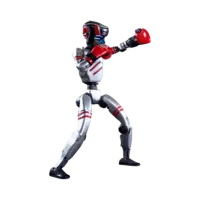
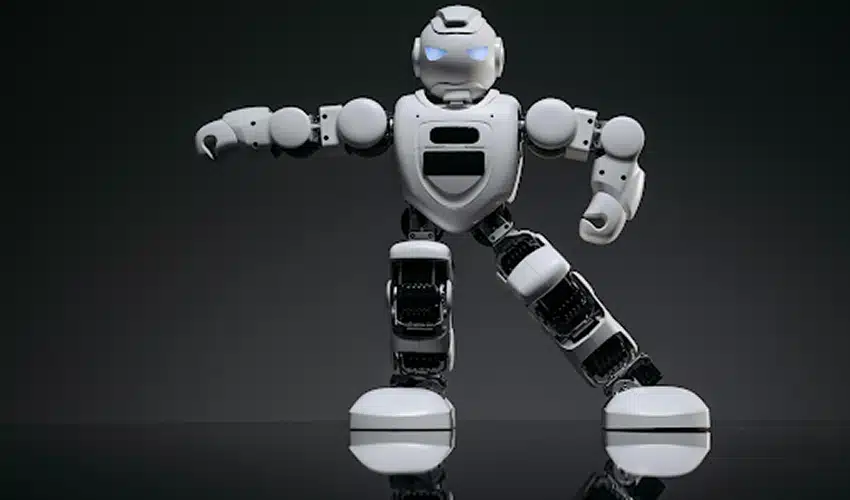
At the same time, entertainment and cultural demonstrations like robots boxing, dancing, or playing piano show the flexibility of these machines. They are no longer limited to rigid, repetitive movements. Instead, they display balance, agility, and adaptability, which are key to success in real-world deployment.
Breaking Through Commercial Barriers
The biggest challenge in robotics has always been the gap between lab performance and real-world reliability. These breakthroughs are moving robots into assembly plants, logistics centers, and service roles. Instead of waiting years, businesses are now piloting robots in active environments.
In 2025, progress is being made in three areas:
- Cost reduction: Robots are becoming more affordable as production increases and supply chains stabilize.
- Hardware durability: Advances in motors, joints, and lightweight materials are making robots more reliable for daily use.
- AI integration: Advanced models allow robots to learn tasks, adapt to new settings, and interact more naturally with people.
What Businesses Should Learn
For decision-makers, the message is clear. Robotics is shifting from experimental showcases to real commercial solutions. Over the next two to three years, adoption will accelerate as shipments rise and more industries test deployment at scale. Companies that move early will gain measurable advantages in efficiency, workforce support, and operational innovation.
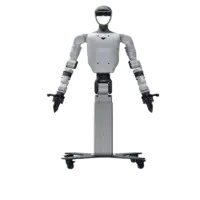
Warehouses are beginning to use humanoid robots to streamline inventory management. Hotels are piloting service robots to assist with check-ins and guest interactions. On manufacturing floors, humanoids are proving they can handle repetitive tasks with precision while reducing fatigue-related errors. Even healthcare and elder care facilities are experimenting with robots to provide assistance in mobility and routine monitoring.
These are no longer concepts. They are active projects being rolled out across industries, showing that humanoid robotics is set to become part of everyday operations sooner than many expected.
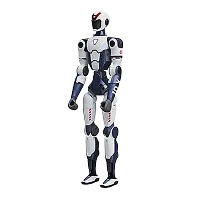
The Role of Humanoid Robot G1 Models
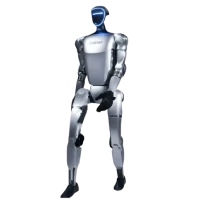
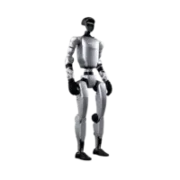
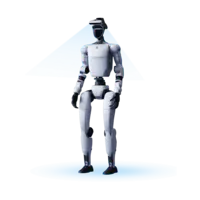
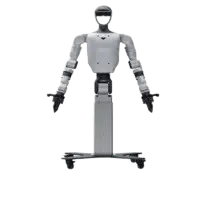
The G1 robots stood out as one of the biggest highlights at this year’s World Robot Conference. Their ability to sprint, maintain balance, and perform endurance tasks reflects how quickly humanoid robotics is advancing. More than just prototypes for research, the G1 humanoid robot line is being positioned for real-world applications where reliability and adaptability matter.
These models are already being explored for industrial tasks such as part sorting, factory assistance, and collaborative work alongside human teams.
At the same time, they have been showcased in entertainment and service roles, proving they can adapt to both structured and unpredictable environments. This combination of agility and versatility signals that G1 robots are paving the way for broader commercialization in the years ahead.
AI and Embodied Intelligence
Robotics is advancing because of progress in embodied AI. Unlike software models that only process data, embodied AI connects intelligence to physical motion. This makes robots capable of real-world interaction.
Companies are building robots that can see, move, and react in real time. Training simulations, synthetic data, and powerful processors are accelerating development. The result is robots that can perform factory tasks, interact with people, and improve through continuous learning.
From Demonstration to Deployment
The transition from demonstration to deployment is happening now. Some of the largest orders for humanoid robots have already been placed. One deal with a major manufacturer involved dozens of robots being installed in assembly lines. Another large contract with a telecom giant confirmed that companies see robots as a long-term investment, not just a temporary trial.
These moves show that the industry is entering a stage of mass adoption. Robots are shifting from novelty to infrastructure.
Why Action Matters More Than Observation in 2025
Waiting to explore robotics may leave companies behind competitors who are already testing and deploying. By learning about robotics now, organizations can position themselves to adopt technology as soon as costs drop further and supply expands.
Industries that can benefit include:
- Manufacturing: Robots help reduce errors and increase efficiency.
- Logistics: Robots improve warehouse operations and delivery.
- Hospitality: Robots provide guest services, cleaning, and assistance.
- Healthcare: Robots support caregivers and manage repetitive tasks.
Each of these industries faces labor shortages and rising costs. Robots offer a solution that can scale and adapt.
Turning Innovation into Results with Toborlife AI
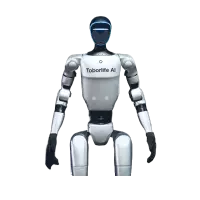
For businesses exploring robotics, choosing the right partner matters. At Toborlife AI, we focus on turning innovation into real-world solutions. Our products are designed for practical use in logistics, hospitality, and industrial operations.
What sets Toborlife apart?
- Practical design: Built for real tasks, not just stage demos.
- Cost-effective options: Solutions that balance performance with affordability.
- Future-ready models: Designed to adapt as AI improves and needs evolve.
If you are considering robotics for your business, now is the time to explore. Visit toborlife.ai to see how our solutions compare and how they can deliver value.
Preparing for the Next Wave of Robotics
China’s World Robot Conference 2025 shows that robotics is no longer a story of potential. It is a story of progress, scale, and commercialization. Failures and falls still happen, but each one leads to refinements. Each new contract confirms growing demand.
The future of humanoid robotics is being written now. Businesses that engage today will not just watch this change. They will benefit from it.
Final Thoughts
The World Robot Conference 2025 has shown that humanoid robotics is no longer a distant vision. From running and dancing to sorting parts and performing tasks alongside humans, G1 robots are proving their versatility and commercial readiness. The wins, the lessons, and even the occasional misstep are all shaping a future where robots are integrated into everyday business operations.
If your business is ready to explore these opportunities, visit toborlife.ai today. Discover how our humanoid robot G1 models deliver reliability, adaptability, and cost-effective solutions designed for real-world applications. The future of robotics is here, and now is the time to take part.


Comments are closed for this post.