How Toborlife AI Supports Academic Robotics
While Tesla focuses on scaling Optimus, Toborlife AI concentrates on enabling institutions today.
At toborlife.ai, the goal is direct. Provide robotics systems that researchers can deploy, modify, and expand without restrictive frameworks.
Toborlife’s approach emphasizes:
- Open integration with AI development tools
- Configurable motion systems
- Stable hardware architecture for repeated experimentation
- Structured onboarding for universities
- Dedicated institutional support
For institutions searching for an R1 robot dealer for universities, Toborlife provides procurement pathways designed specifically for academic buyers.
This ensures faster adoption cycles and consistent technical assistance.
A Closer Look at the R1 Technical Stack
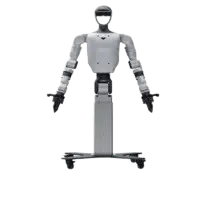
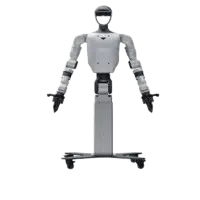
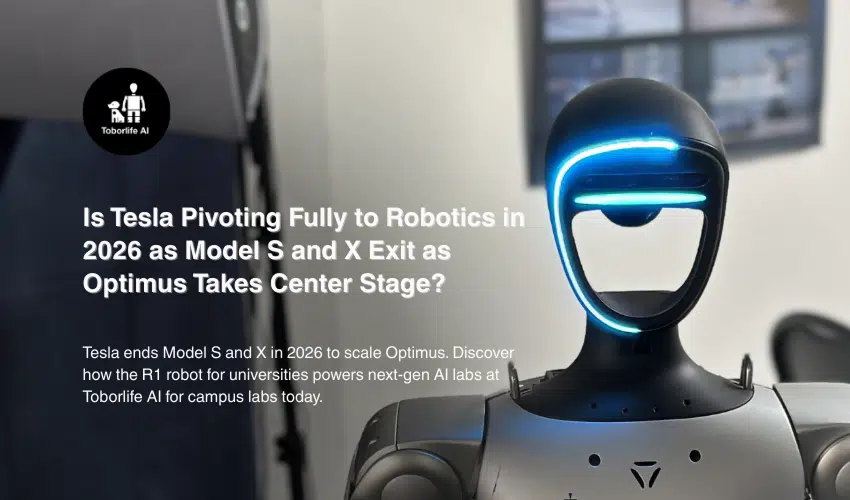
Below we will explore how the R1 robot models supports research-grade experimentation.
Actuation and Motion Control
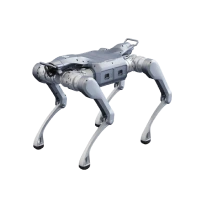
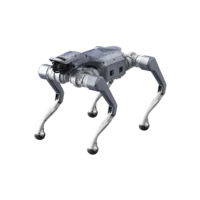
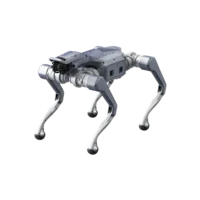
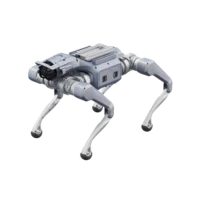
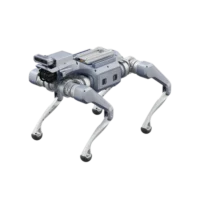
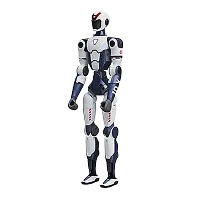
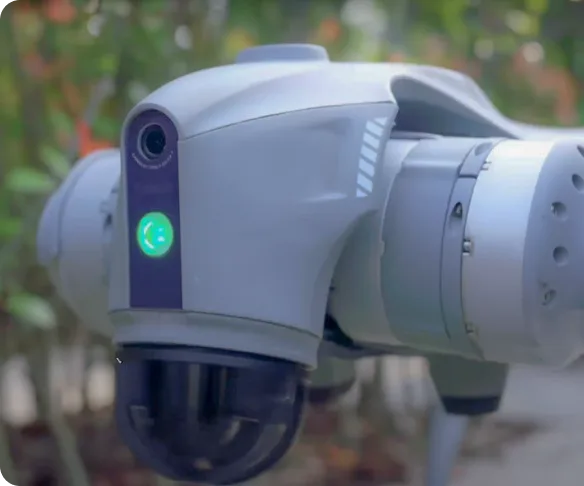
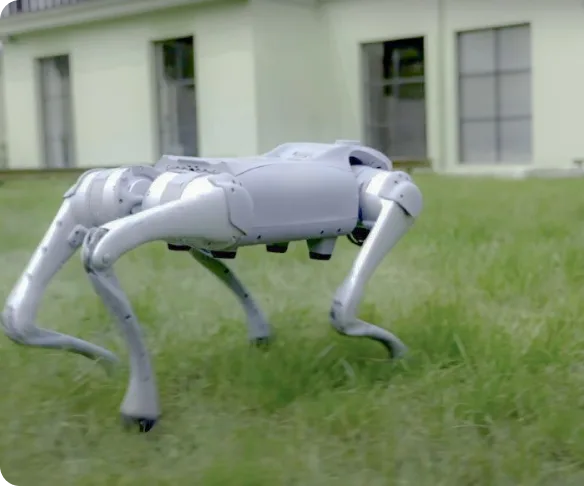
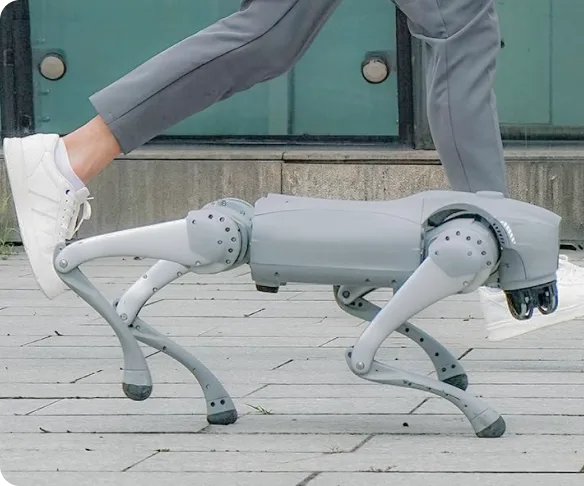
R1 integrates high-precision servo systems that allow detailed articulation studies. Labs can test locomotion algorithms, balance systems, and adaptive movement controls in controlled environments.
The platform supports iterative development without requiring large-scale industrial infrastructure.
R1’s architecture supports AI deployment at the edge. Researchers can integrate computer vision models, navigation logic, and reinforcement learning pipelines directly into the hardware.
This makes it suitable for advanced robotics coursework and graduate-level research projects.
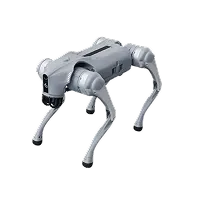
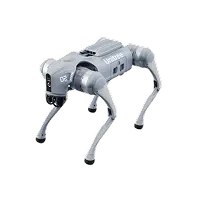
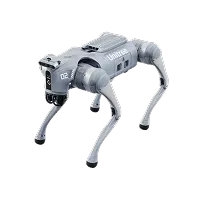
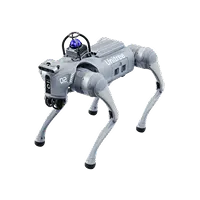
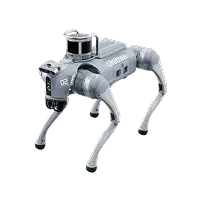
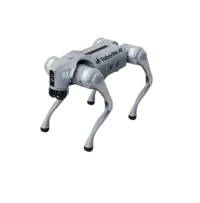
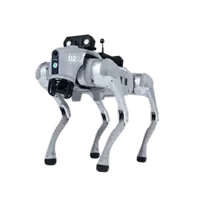
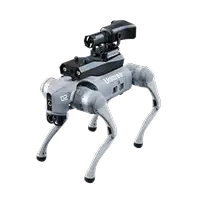
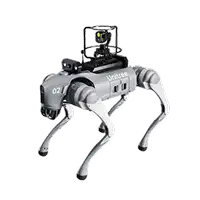
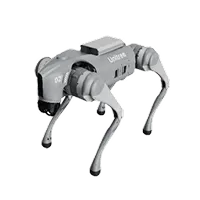
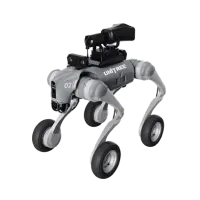
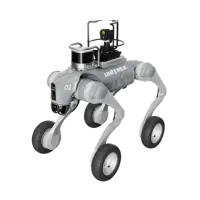
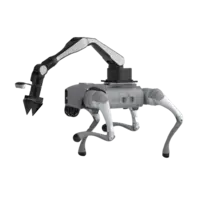
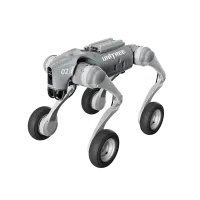
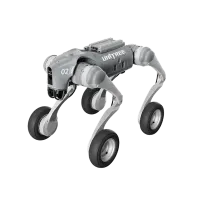
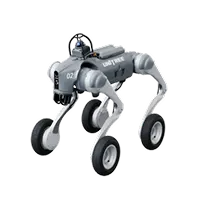
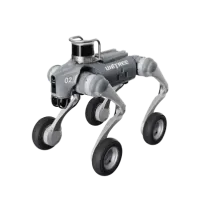
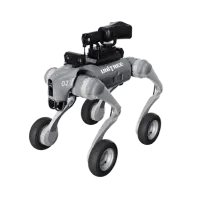
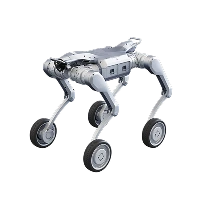
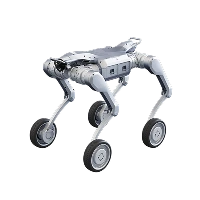
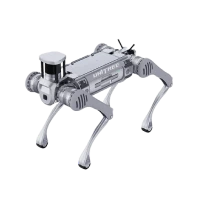
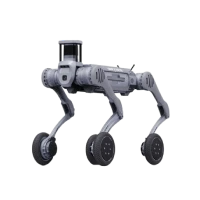
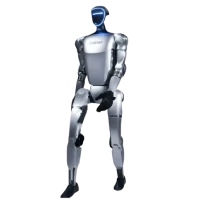
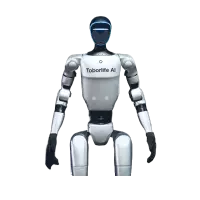
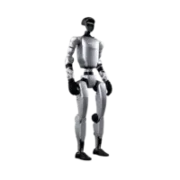
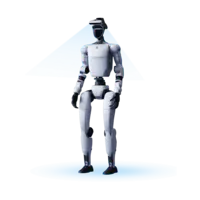
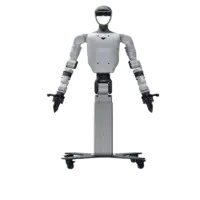
The R1 robot for universities like R1 Edu Smart can be deployed across structured lab settings. Multiple units can be coordinated for collaborative robotics experiments.
This supports interdisciplinary programs combining mechanical engineering, AI research, and human-computer interaction.
Tesla’s Decision in Context
The discontinuation of Model S and Model X is symbolic. It represents a shift from premium automotive branding toward AI-powered physical infrastructure.
Here is what this transition signals:
- Tesla prioritizes robotics scale over low-volume EV lines
- AI valuation is becoming central to corporate growth
- Manufacturing resources are moving toward humanoid production
This repositioning aligns with broader technology market trends. Companies that integrate AI into physical systems are attracting increasing investor attention.
For universities, the message is clear. Robotics is no longer theoretical. It is entering production.
Why 2026 Is a Strategic Entry Point for Campus Robotics Expansion
Timing plays a key role in technology adoption. In 2026, robotics is shifting from research experiments to real deployment across industries. Universities that adopt robotics platforms now position themselves ahead of the curve. Early integration strengthens research visibility and builds institutional credibility in a fast-growing field.
Embodied AI research is accelerating. Funding is flowing into projects that combine perception, movement, and real-world interaction. At the same time, demand for robotics-skilled graduates is rising. Companies want engineers who understand how AI works inside physical systems. Universities that invest now can align curriculum, lab infrastructure, and research output with industry needs.
Collaboration between academia and industry is also expanding. Robotics companies are partnering with institutions that have hands-on deployment capability. Working with an experienced R1 robot dealer for universities helps ensure smooth procurement, integration, and long-term support. This gives universities a clear path to scaling robotics programs with confidence.
The Bigger Picture
Tesla’s pivot toward Optimus marks a turning point. EV innovation remains important, but embodied AI represents the next growth frontier.
Robotics is no longer confined to concept labs. It is entering scalable production and practical deployment. For institutions seeking reliable, research-ready robotics systems, Toborlife AI provides a direct pathway.
Explore the R1 platform at toborlife.ai and equip your lab for the next wave of embodied AI development.
2026 is not just a shift in Tesla’s lineup. It is a signal that robotics infrastructure is becoming foundational to the AI economy.
If your institution is ready to evaluate deployment options, connect with our team to discuss tailored solutions and next steps.


Comments are closed for this post.