Robots That Fit Real Spaces Gain More Attention
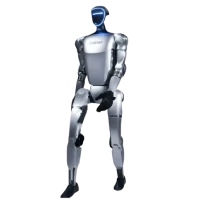
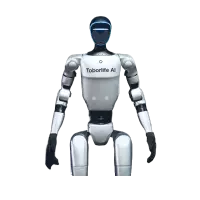
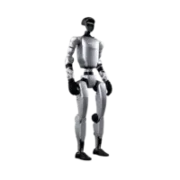
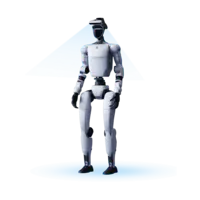
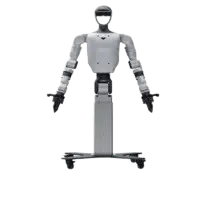
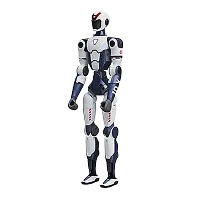
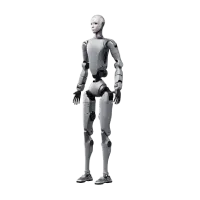
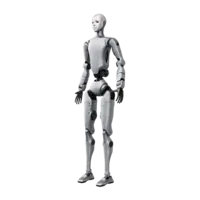
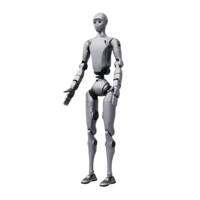
Many companies displayed tall humanoids that match human proportions. These units are designed to operate next to people. They handle similar reach heights and can stand in narrow spaces without losing balance.
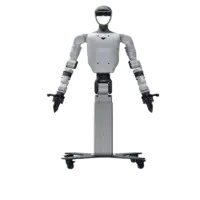
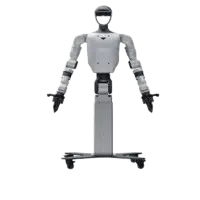
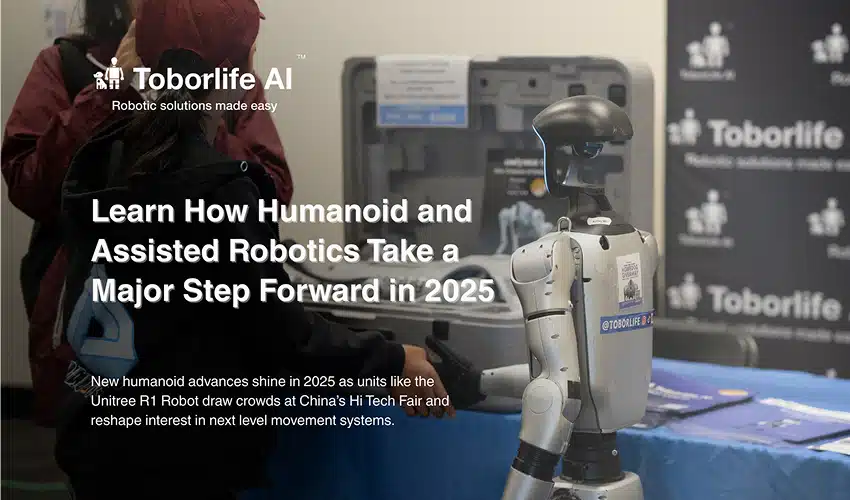
This design approach fits offices, factories, labs, and care facilities. Buyers want robots that need little modification to work inside existing buildings. The interest around the R1 humanoid robot reflects this shift. People want units designed for full environments rather than open demo areas.
Toborlife.ai supports this interest by helping buyers compare which units match indoor layouts and daily work routines.
China’s Robotics Momentum Is Growing
The expo revealed how fast Chinese robotics firms are moving. Companies like EngineAI and Cyborg are investing in new arm joints, sensor systems, and motion control. Shenzhen Ruiyan is working on systems that help robots track people and adjust pace in shared areas.
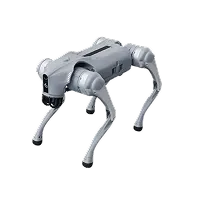
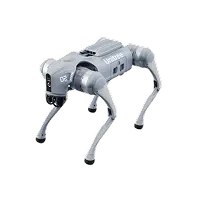
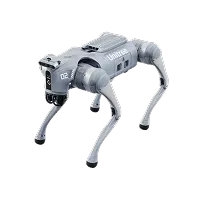
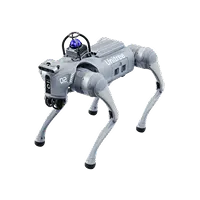
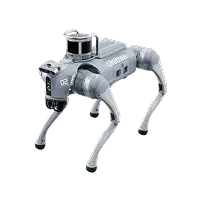
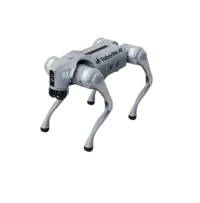
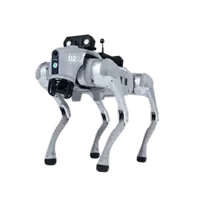
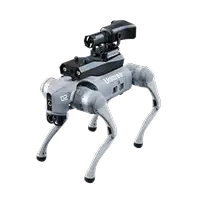
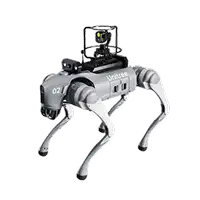
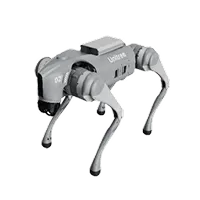
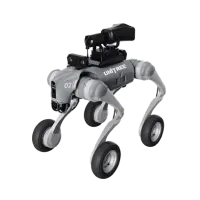
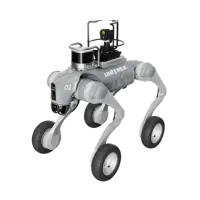
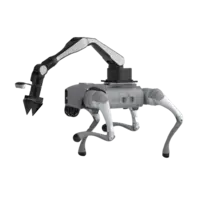
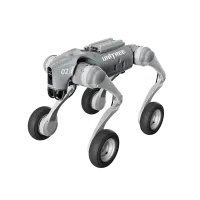
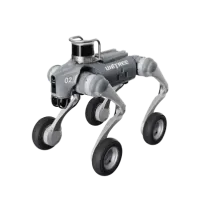
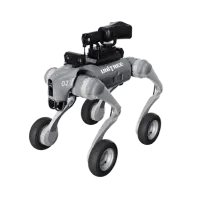
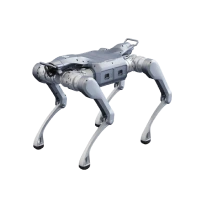
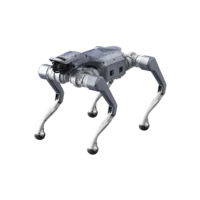
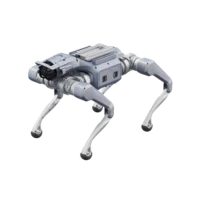
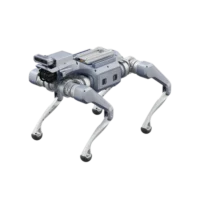
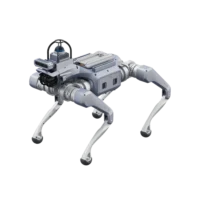
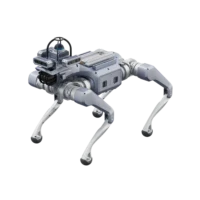
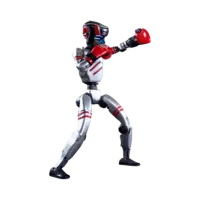
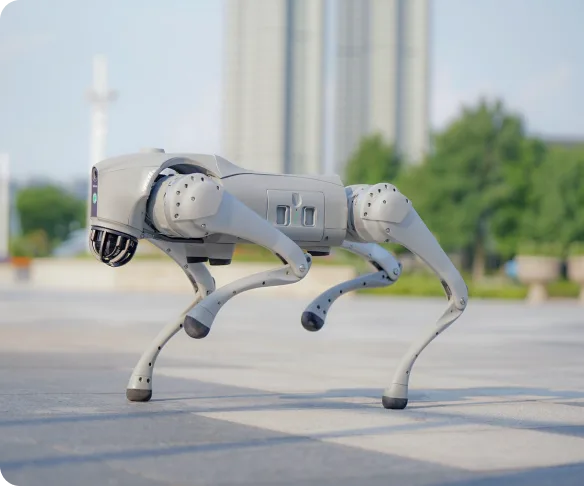
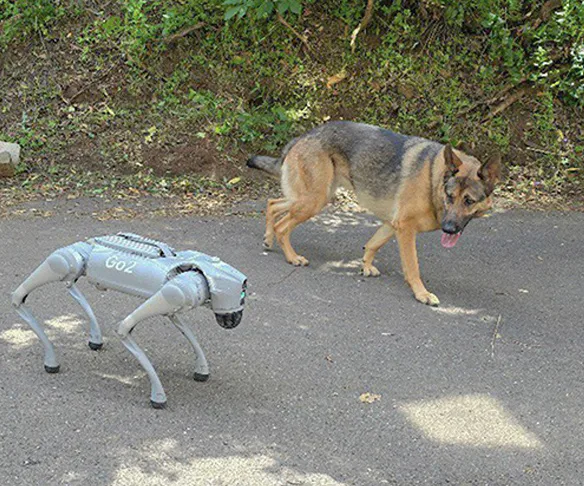
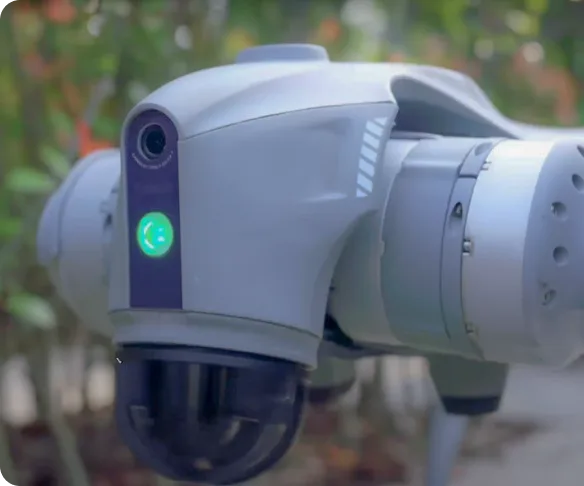
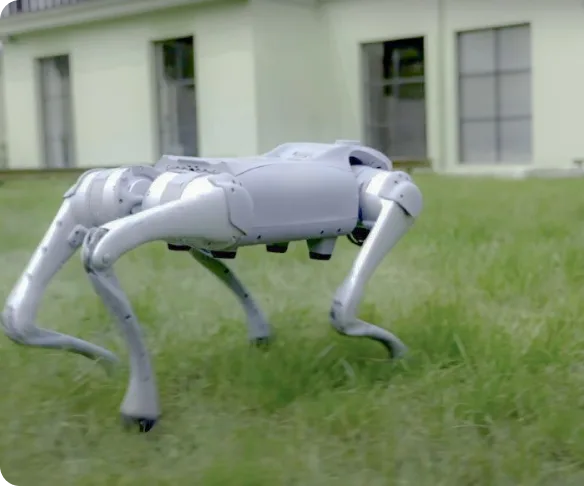
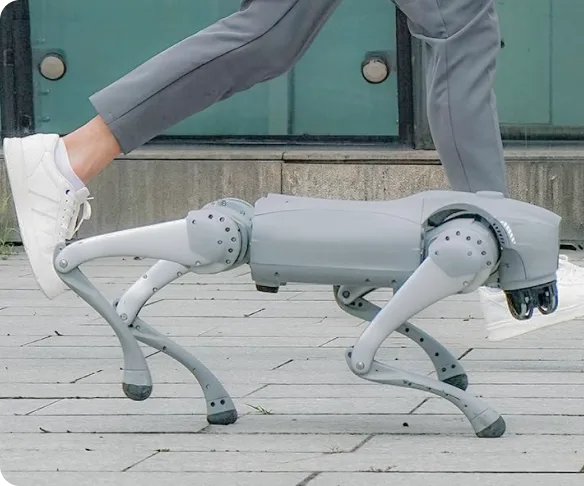
Unitree remains one of the most visible companies in this space. Their humanoid and quadruped lines both attracted crowds. Their movement demos gave people a closer look at where humanoid development is heading.
These shows help shape global attention. They push other markets to respond with better systems and faster evolution.
Why Buyers Are Exploring Humanoids More Seriously
Interest in humanoids is rising for real reasons.
Companies want robots that:
- Reach storage areas
- Carry light objects
- Move beside workers
- Access narrow hallways
- Perform basic coordination tasks
- Follow simple procedural steps
These needs match what humanoids are starting to demonstrate. Early units may not perform complex labor yet, but they show that steady progress is underway.
Modern buyers want to see how far each model has reached. Platforms like toborlife.ai help them compare movement categories, sensor setups, and emerging performance tiers.
The Value Toborlife AI Brings to New Robotics Buyers
As humanoids grow more popular, many buyers want help choosing the right platform. Toborlife AI provides clear product listings, feature breakdowns, and real use explanations. This helps companies decide which robot fits their tasks, budget, and future plans.
Users often compare details such as movement speed, stability during turns, arm control, and sensor spread. They also check upward compatibility, runtime, and system support. Our platform keeps these details simple and organized.
We highlight models similar to the Unitree R1 Robot, which helps buyers see what current humanoid options can offer. This makes the selection process faster and more effective.
Final Thoughts
Robotics in 2025 feels more active than ever. Public demos are improving. Guided control through systems like Claude makes robot operation easier. Humanoid units gain more stability and controlled movement each year. These changes point to a future where robots assist with daily tasks in small but meaningful ways.
Models similar to the R1 humanoid robot continue to draw attention because they match human spaces and perform movement patterns that fit real environments. As interest grows, more people explore options on toborlife.ai to find platforms ready for testing or development.
Buyers who want to understand this new landscape can explore listings, compare features, and discover which unit supports their needs. Toborlife AI provides that path in a clear and modern format.


Comments are closed for this post.