Moya Is Framed as the First Fully Biomimetic Embodied Intelligent Robot
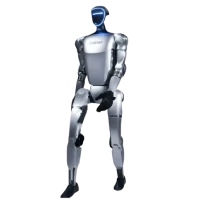
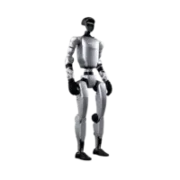
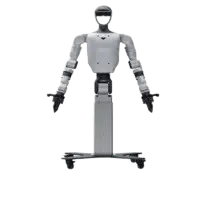
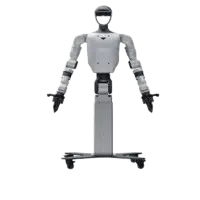
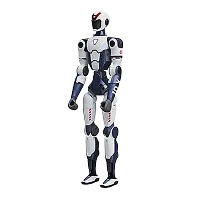
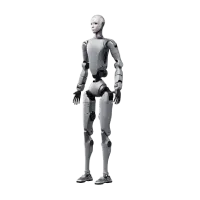
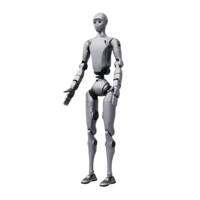
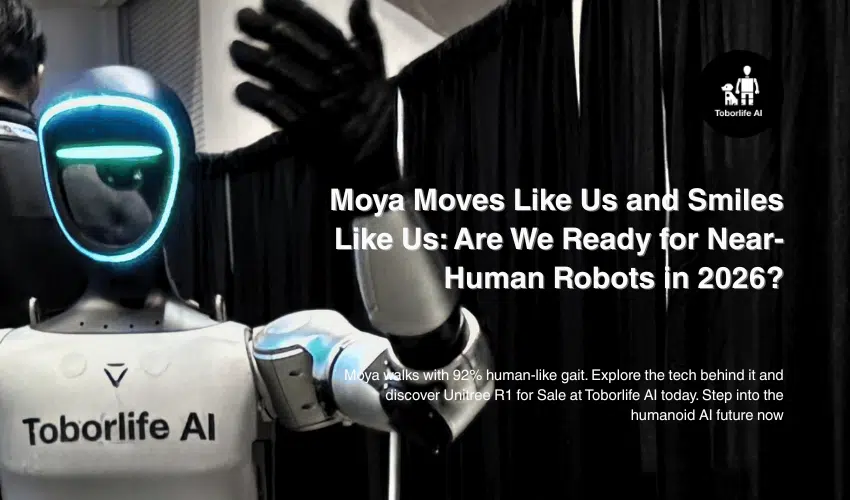
Moya was developed by the Chinese robotics company DroidUp. The company describes it as the world’s first fully biomimetic-embodied intelligent robot. That phrase matters.
Biomimetic means it imitates biological systems. In this case, human movement and expression. Embodied intelligence means the AI is not just software in the cloud. It is integrated into a physical body that interacts with the real world.
Moya’s key highlights:
- 92% human-like walking gait
- Micro facial expressions such as smiling and winking
- Fluid upper body balance
- Responsive head tracking
- Natural arm swing during locomotion
The walking motion is what stands out most. Engineers focus heavily on gait cycles because human walking is complex. It involves balance, micro adjustments, hip rotation, and foot placement in milliseconds. Achieving 92 percent similarity suggests advanced motion control algorithms, real-time sensor fusion, and highly tuned actuators.
This is not basic robotics. This is motion replication at biomechanical depth.
The Viral Moment Shows How Close Humanoids Feel to Us
The social media reaction to Moya tells us something important. People are not reacting to specs. They are reacting to their presence.
When Moya smiles or winks, viewers pause. When it walks across a room with subtle shoulder movement, the footage feels almost human.
That reaction connects directly to the uncanny valley theory. The concept suggests that as robots look more human, people feel increasing comfort up to a point. Then there is a dip. A near-human appearance can trigger discomfort.
In 2026, that valley will shrink. Each generation of humanoid robots pushes the realism line further. With better servo precision, improved torque control, and refined AI-driven motion learning, we are seeing robots that no longer move like machines.
They move with intent.
The Technical Stack Behind a 92 Percent Human-Like Gait
Let’s talk about engineering.
To achieve high-fidelity walking, humanoid robots need:
1. Advanced Actuation Systems
Humans constantly correct balance using inner ear data and muscle feedback. Robots use IMUs, force sensors, and dynamic modeling. Moya likely relies on continuous feedback loops running at high frequency to stabilize each step.
2. AI Motion Learning
Machine learning models can analyze human walking datasets. These models train robots to copy natural stride length, heel strike timing, and posture.
3. Facial Expression Mechanics
Micro-expressions require small, high-resolution actuators embedded beneath flexible facial materials. The control software must sync eye movement, eyelid timing, and subtle lip shifts.
This level of embodiment signals a broader shift. Robotics is moving beyond industrial arms and into expressive physical intelligence.
Global Construction Automation Is Rising but Humans Still Lead
At the same time, automation is expanding across industries. In Dubai, AI and robotic systems are increasingly present on construction sites. Autonomous inspection tools, robotic welding systems, and digital twins are reducing risk and improving accuracy.
Yet industry leaders maintain that humans remain central. Even as robotics carry more load, people still wear hard hats and make decisions on site.
This hybrid model is key. Robotics amplify human capability. They do not eliminate human oversight. The next phase of embodied AI will likely follow this pattern.
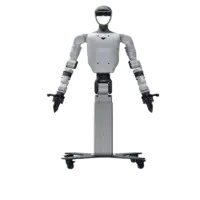
Humanoids like Moya could assist in logistics, inspection, and controlled environments. But skilled workers remain critical.
Toborlife AI Powers the Real-World Robotics Shift
Viral robots spark attention. But what about practical access?
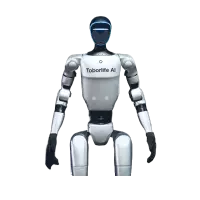
At Toborlife AI, we focus on delivering scalable humanoid platforms to real customers. If you are looking to buy R1 robot systems for research, commercial deployment, or enterprise integration, our team provides direct access and technical guidance.
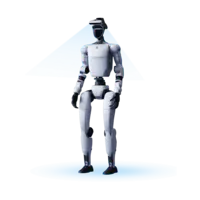
The Unitree R1 platform has become one of the most recognized agile humanoid systems in the market. For customers searching for Unitree R1 for Sale, Toborlife.ai offers verified supply channels, after-sales support, and integration expertise.
Why does this matter?
Because robotics adoption requires more than hype. It requires:
- Reliable distribution
- Firmware support
- Software integration assistance
- Spare part logistics
- Training and deployment consulting
As an established R1 robot distributor, Toborlife AI bridges innovation and application.


Comments are closed for this post.