CES 2026 and the Robotics Inflection Point
CES used to be about screens and gadgets. That era is ending fast.
In 2026, robots are no longer limited to factory cages or research labs. The machines appearing this year focus on mobility, autonomy, human interaction, and real tasks. Navigation systems are tighter. Sensors are cheaper and more capable. Onboard AI is faster and more efficient.
This is the year robotics crosses into daily life.
That shift matters for consumers, developers, and businesses. It also explains why we at Toborlife AI continue to invest in platforms that balance performance, scalability, and long-term value.
The New Class Of Robots Taking Over CES
The robots showcased this year fall into clear categories. Each category points to a larger trend in the industry.
1. Humanoid robots go mainstream
Humanoid robots are no longer experimental.
Machines like the Unitree R1 Humanoid Robot show how far bipedal locomotion has come. Advanced motor control systems allow smooth walking. Reinforced joints increase durability. AI driven motion planning adapts in real time.
These robots are designed for learning environments, research labs, and early consumer applications. Their form factor makes them intuitive to interact with. That matters when robots move out of industrial settings.
At Toborlife AI, humanoid design is not about spectacle. It is about usability and future compatibility with human spaces.
2. Service robots designed for real tasks
CES 2026 highlights robots built for cleaning, delivery, inspection, and hospitality.
What stands out is reliability. These robots prioritize uptime and modular components. Battery life has improved. Docking systems are smarter. Cloud connectivity enables remote diagnostics.
These advancements reduce total cost of ownership. That is a major buying factor for consumers and small businesses.
Toborlife AI evaluates service robots through this lens. Performance must scale. Maintenance must be simple. Software updates must add value over time.
3. AI powered mobility systems
Mobility is the backbone of modern robotics.
This year’s robots integrate lidar, depth cameras, and edge AI processors into compact frames. Path planning is faster. Obstacle avoidance feels natural. Indoor navigation no longer needs extensive mapping.
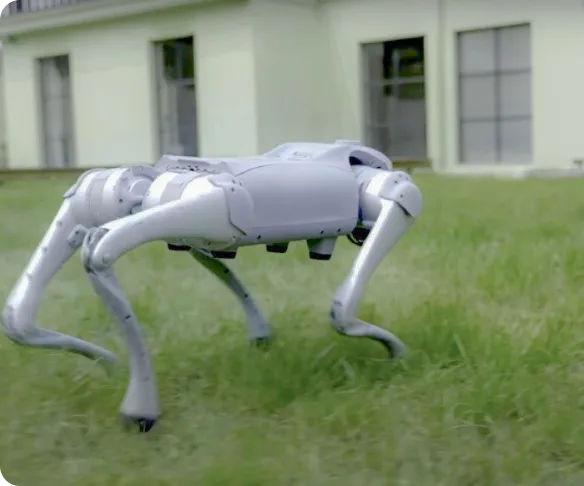
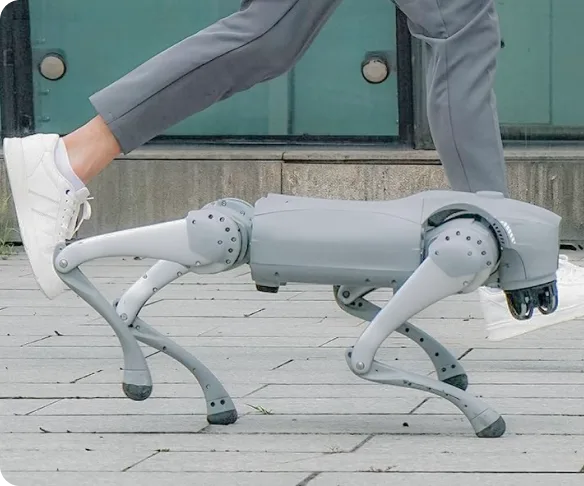
This is where the R1 humanoid robot architecture stands out. Lightweight materials combined with efficient actuators allow smooth movement without excessive power draw.
At Toborlife AI, mobility performance is a core benchmark when recommending or developing robotic platforms.
4. Consumer friendly robot pricing
One of the most important shifts at CES 2026 is price accessibility.
Robots that once cost tens of thousands of dollars are now within reach of early adopters. This is due to mass production, standardized components, and improved supply chains.
Affordable humanoids like the Unitree R1 Robot represent this new pricing tier. They lower the barrier to entry for education, research, and hobby development.
Toborlife AI helps buyers navigate this landscape by comparing long-term value, not just upfront cost.


Comments are closed for this post.