Below we will explore the five most impactful uses of autonomous security patrol robots in 2026. We will also look closely at the technology behind them and why platforms like Toborlife AI are leading this change.
1. They are Securing Large Corporate Campuses With Continuous Autonomous Patrols
Large corporate campuses create a real security challenge. Buildings are spread out. Parking structures are vast. Human patrols cannot be everywhere at once.
Autonomous patrol robots solve this with consistency.
These systems follow mapped routes across indoor and outdoor spaces. They scan entry points. They monitor restricted zones. They log every patrol with time-stamped data.
From a technical view, the biggest advantage is sensor fusion. Modern patrol robots combine lidar, optical cameras, thermal imaging, and audio detection. The data streams merge into a single situational view. Security teams receive alerts only when something truly matters.
Many businesses also link patrol robots to access control systems in 2026. If a door opens at the wrong time, the robot adjusts its route instantly. This creates a dynamic response loop instead of static monitoring.
Toborlife AI focuses heavily on this use case. Their patrol platforms are optimized for long run times, stable navigation, and smooth integration with enterprise security software. This allows companies to scale security coverage without scaling up staffing costs.
2. They are Keeping Warehouses Protected Even After Operating Hours
Warehouses never sleep. Inventory moves day and night. That makes security gaps more likely.
Autonomous patrol robots are now standard tools in modern logistics hubs.
They patrol aisles after hours. They scan loading bays. They detect unauthorized motion in low light conditions. Thermal sensors help identify overheating equipment before it becomes a fire risk.
The technical leap here is autonomy in complex layouts. Warehouses change often. Shelves move. Inventory stacks shift. Robots in 2026 will use real-time mapping updates. They adapt routes without manual reprogramming.
Another key factor is data logging. Every patrol creates a record. If an incident occurs, teams can rewind and review sensor data from multiple angles.
Many sites also use surveillance robots alongside fixed cameras. The difference is mobility. A mobile system can approach an alert zone and capture better context.
Toborlife AI emphasizes rugged hardware and industrial grade sensors for this environment. Their platforms are designed to handle dust, vibration, and long-duty cycles without performance drop.
3. They are Maintaining Safety in Retail Spaces Without Disrupting Shoppers
Retail security is about balance. The goal is safety without discomfort.
Autonomous patrol robots now play a visible yet non-intrusive role in malls and shopping centers. Their presence alone reduces petty crime. People notice them. That matters.
From a technology angle, these robots rely heavily on behavioral analytics. Cameras analyze movement patterns. Software flags unusual activity such as loitering near closed stores or forced entry attempts.
Audio systems allow robots to issue polite warnings or instructions when needed. This reduces the need for immediate human intervention.
Many retail robots also support customer assistance features in 2026. They provide directions or safety information. This dual role improves acceptance and trust.
Toborlife AI designs patrol units with smooth movement and clean industrial design. This makes them suitable for public-facing environments where appearance matters as much as function.
4. They are Supporting Calm and Controlled Security in Healthcare Facilities
Hospitals are sensitive spaces. Security must be precise and calm.
Autonomous patrol robots help by covering non-clinical areas. They monitor entrances. They patrol corridors after visiting hours. They watch pharmacy storage zones.
The technical challenge here is navigation among people. Robots must detect wheelchairs, beds, and staff movement. Advanced obstacle avoidance and human aware path planning are essential.
Another major factor is data privacy. In 2026, patrol robots in healthcare environments apply strict data handling rules. Facial data is processed locally. Only alerts are transmitted. This supports compliance with healthcare regulations.
Some systems also detect environmental risks. Temperature changes. Smoke traces. Chemical leaks. Early alerts protect patients and staff.
Toborlife AI invests strongly in edge computing for healthcare use cases. Processing data locally reduces latency and improves privacy control.
5. They are Protecting Critical Infrastructure Through Constant Autonomous Monitoring
Power plants, water facilities, and industrial complexes require constant oversight. These sites are often remote and spread out.
Autonomous patrol robots now act as the first line of awareness.
They monitor perimeters. They scan fences. They inspect equipment zones. Thermal sensors detect abnormal heat patterns. Gas sensors identify leaks before alarms trigger.
The biggest technical advantage is persistence. Robots do not get tired. They follow patrol schedules with exact timing. This consistency improves threat detection over time.
In 2026, many critical infrastructure operators connect patrol robots to predictive maintenance systems. Security data feeds into operational analytics. This creates a shared safety and reliability layer.
Toborlife AI platforms are designed for harsh conditions. Weather resistance. Long range connectivity. Secure encrypted communications. These features make them reliable assets in high risk environments.
Why 2026 Marks a Turning Point
The shift happening now is not just about hardware. It is about systems.
Autonomous patrol robots in 2026 operate as part of a broader security stack. They connect to cameras. They link to alarms. They integrate with AI analytics platforms.
The result is a layered security approach. Mobile awareness. Real time intelligence. Faster response.
A surveillance robots deployment today is no longer experimental. It is measurable. It delivers data. It reduces blind spots.
This is where Toborlife AI stands out. The company focuses on end-to-end value. Hardware. Software. Integration. Support. This makes it easier for organizations to deploy and scale without friction.
Why Organizations Are Choosing Toborlife AI
For organizations planning upgrades in 2026, autonomous patrol robots are no longer optional. They are a strategic advantage.
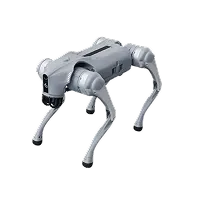
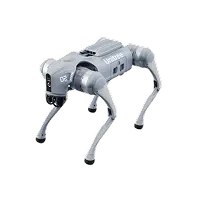
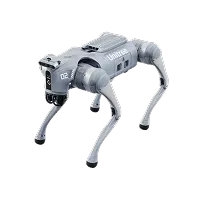
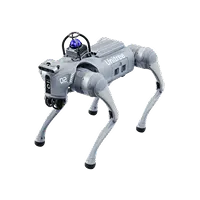
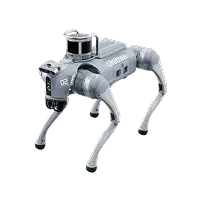
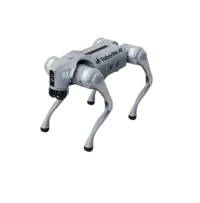
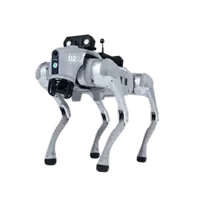
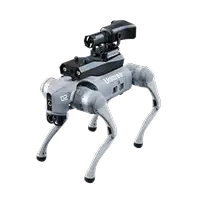
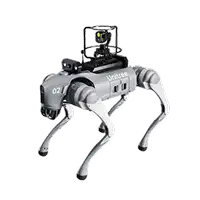
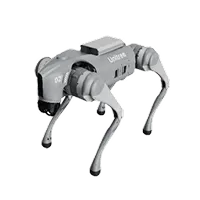
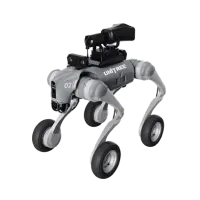
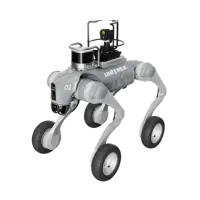
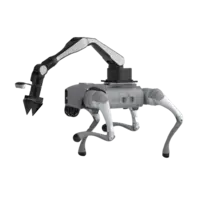
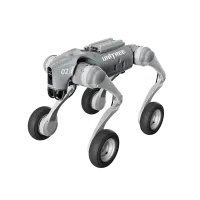
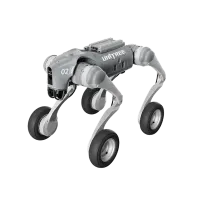
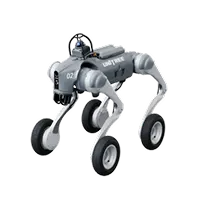
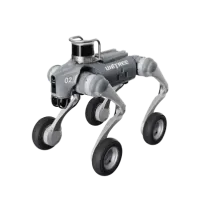
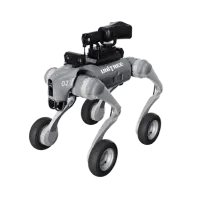
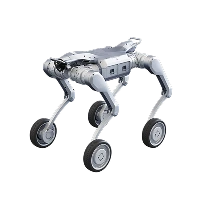
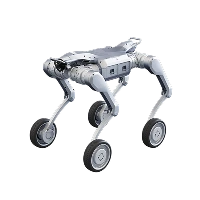
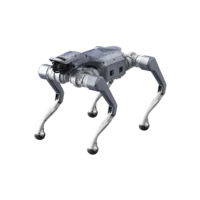
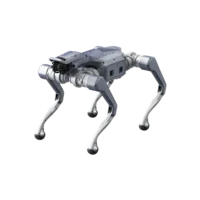
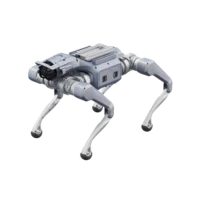
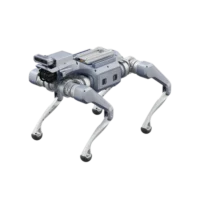
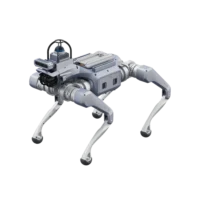
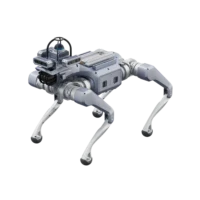
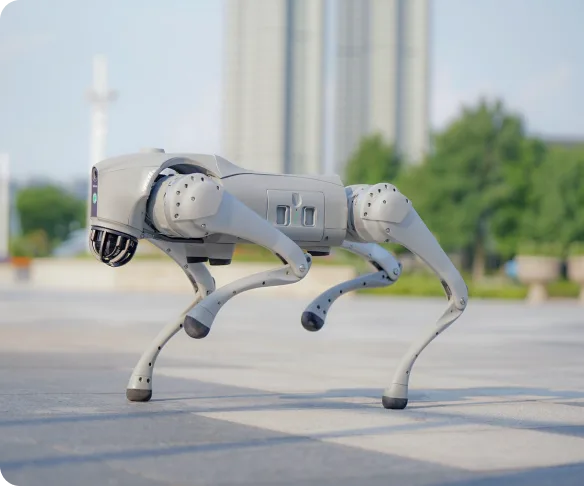
One example is the Toborlife B2-W autonomous patrol robot. It is built for large scale environments and demanding conditions. The B2-W supports long-range navigation, multi-sensor perception, and reliable outdoor operation. Its design makes it suitable for campuses, industrial sites, and critical infrastructure where coverage and endurance matter most.
Key strengths include:
Advanced sensor fusion for accurate detection
Multiple sensors work together to reduce false alerts and deliver clear situational awareness.
Stable autonomous navigation across complex spaces
Robots move smoothly through changing layouts without constant manual updates.
Enterprise grade system integration
Patrol data connects easily with access control, alarms, and existing security software.
Hardware designed for long duty cycles
Built to patrol for extended hours with consistent performance and minimal downtime.
Clear data dashboards for security teams
Security managers get simple views of patrol activity, alerts, and historical records.
Advance Your Security Strategy Today with Toborlife AI
Autonomous patrol robots have moved into the core of security operations in 2026. They provide constant coverage, reliable data, and faster awareness across complex environments. The result is stronger protection with fewer blind spots and better decision-making.
Toborlife AI plays a key role in this progress. Its patrol platforms are designed for real deployments, long run times, and smooth system integration. Security teams gain tools that work every day and scale as needs grow.
If you are ready to modernize your security approach, now is the time to act.
Explore Toborlife AI solutions, connect with the team, and take the next step toward a more advanced and dependable security operation.





Comments are closed for this post.