AI Moves From the Cloud to the Edge
Artificial intelligence dominates CES 2026, but not in the way it once did.
Instead of cloud-first systems, companies are emphasizing edge AI. Processing happens directly on devices. Decisions are made locally. Response times are faster. Privacy is stronger.
For robotics, this shift is critical. A robot that relies on cloud connectivity for every decision introduces latency and risk. Edge AI enables robots to operate independently, even in remote or unpredictable conditions.
This architectural change defines which robotics platforms can scale beyond pilots.
Public Safety and Autonomous Monitoring
CES 2026 also highlights how robotics and AI intersect with public safety.
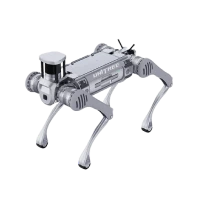
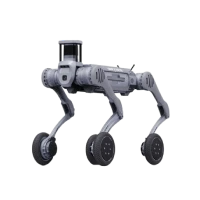
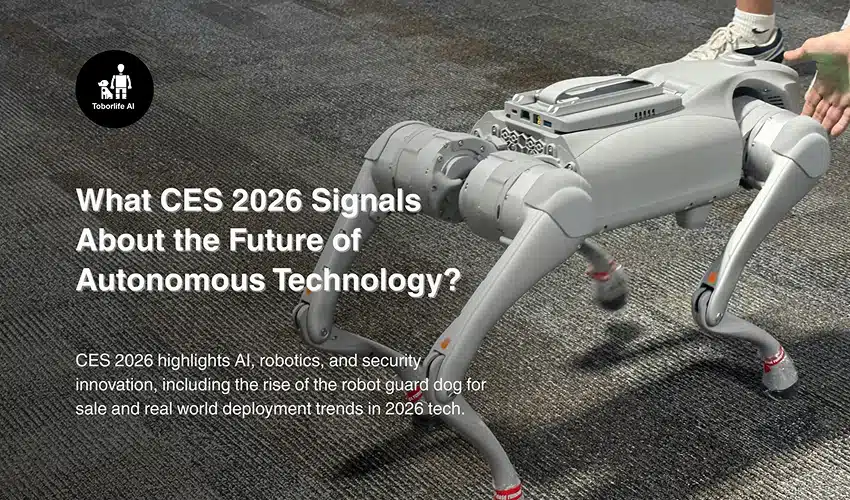
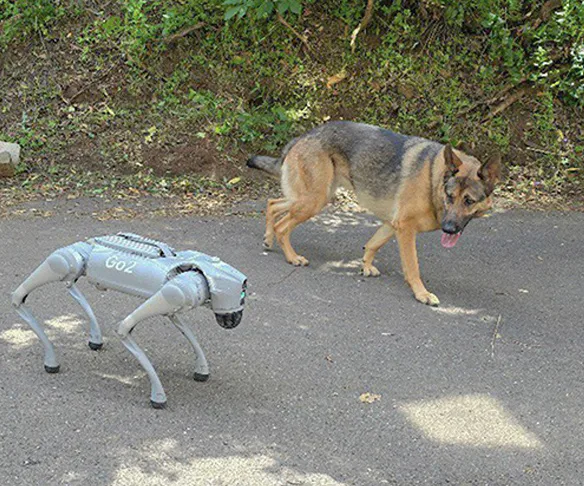
Autonomous patrol systems, mobile monitoring platforms, and AI-driven alert systems are presented as tools to support first responders and security teams. These technologies aim to extend coverage, reduce response times, and improve situational awareness.
Rather than replacing human oversight, these systems augment it. Robots collect data. AI filters signals. Humans make decisions.
This layered approach mirrors how Toborlife AI recommends deploying security robotics.
Healthcare and Wearables Continue to Evolve
Beyond robotics, CES 2026 features major advancements in healthcare technology and wearables.
AI-powered diagnostics, continuous monitoring devices, and personalized health insights dominate this category. These tools focus on prevention and long-term wellbeing rather than reactive care.
The underlying theme is consistency. Technology is designed to operate continuously in the background, delivering value without constant user input.
This same philosophy appears in modern robotics.
The Next Phase of Autonomous Transportation
Autonomous mobility remains a major focus at CES 2026.
Self-driving vehicles, electric platforms, and advanced navigation systems are showcased with an emphasis on safety validation and real-world testing. These systems rely on sensor fusion, AI decision-making, and redundancy.
The crossover with robotics is clear. Navigation, perception, and autonomy standards developed for vehicles also influence ground robotics.
As these systems mature together, the entire autonomy ecosystem benefits.
How CES 2026 Impacts Real-World Purchasing Decisions
CES 2026 cuts through the noise and offers something buyers value most: clarity.
The market is clearly moving away from one-size-fits-all platforms. Instead, technology is being designed around specific roles. Robots are now built for patrol, inspection, interaction, and logistics with purpose and precision.
This shift makes decision-making easier. Buyers no longer need to compare endless feature lists. Real-world performance and reliability have become the primary benchmarks.
What buyers should focus on now:
- Choose robots designed for a defined role rather than platforms trying to cover every scenario.
- Prioritize how systems perform in real environments, not just how they look on a show floor.
- Look for platforms that can expand from pilot projects to full deployment without major redesign.
- Consider long-term software updates, parts availability, and operational support.
Toborlife AI helps buyers make sense of these shifts by translating CES signals into practical guidance and confident purchasing decisions.
How Toborlife AI Reads Between the CES Headlines
Toborlife AI approaches CES with a long-term lens. Instead of reacting to announcements or showroom buzz, we focus on what signals durability, reliability, and real-world readiness.
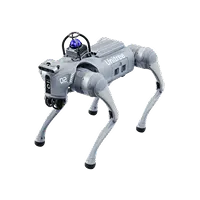
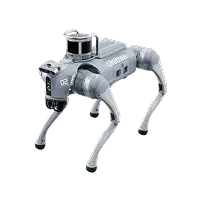
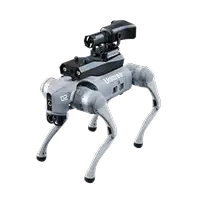
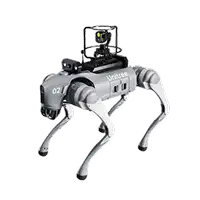
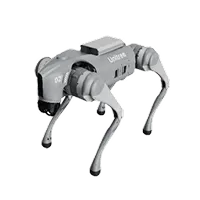
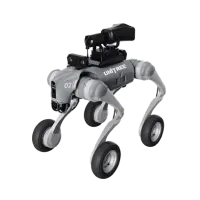
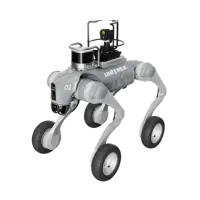
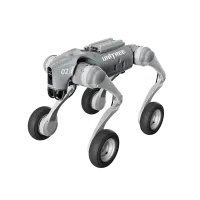
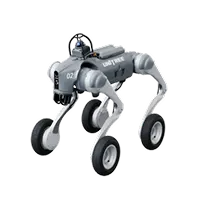
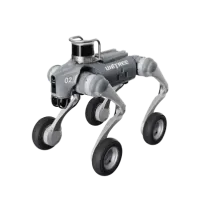
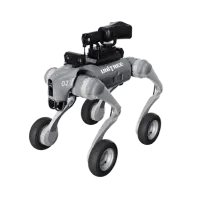
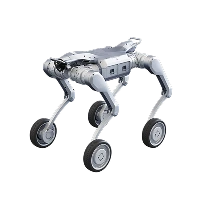
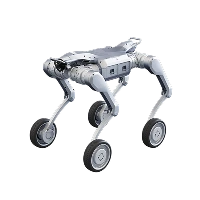
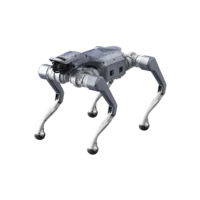
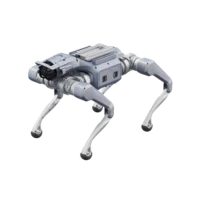
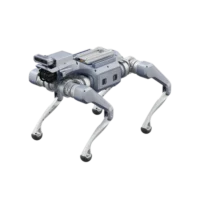
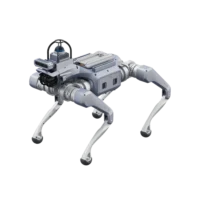
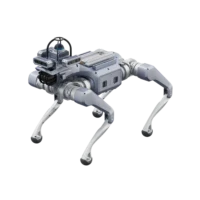
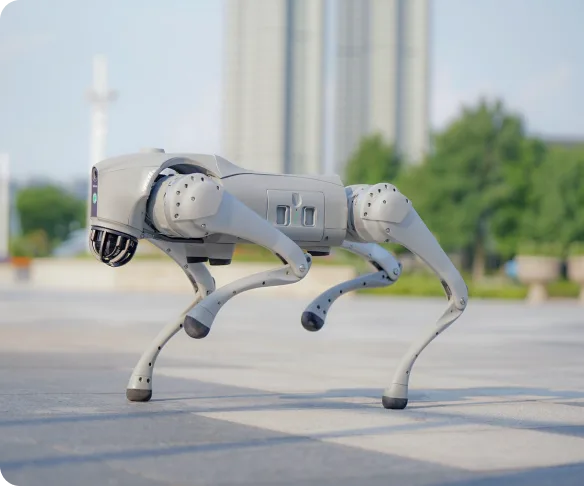
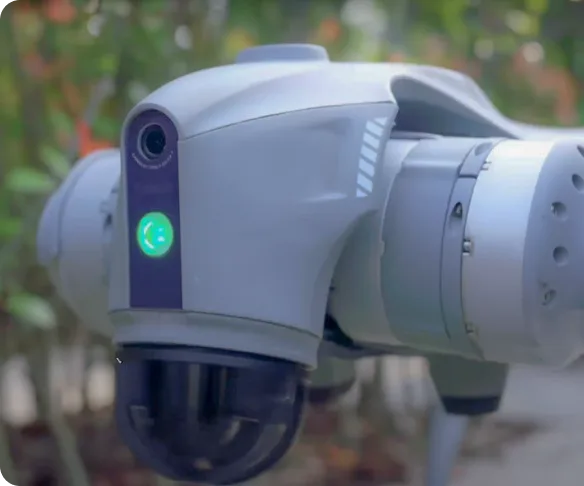
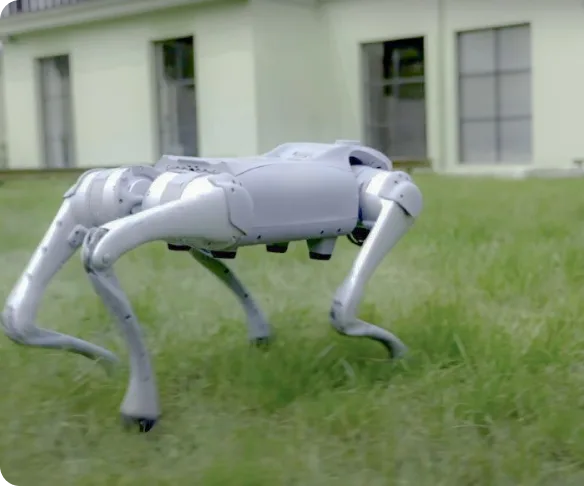
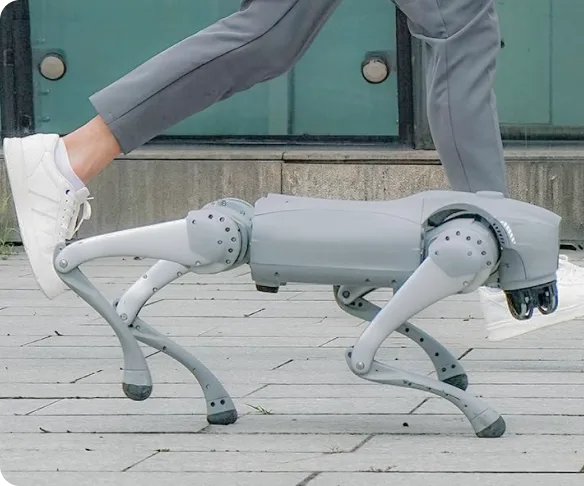
Security-focused platforms available through toborlife.ai reflect this evaluation approach. Robots such as the B2-W model are reviewed for patrol readiness, sensor fusion, and sustained operation in demanding environments.
Our evaluation process looks beyond controlled demos and marketing claims by concentrating on a few critical factors:
- Field Performance Over Show Demos
We study how robots behave once they leave staged environments and operate continuously in real settings.
- Software Stability and Update Cycles
We examine how platforms handle updates, integrations, and long-term system control without disrupting operations.
- Mobility Endurance and Coverage
We assess how well robots maintain performance over extended patrols and across varied terrain.
How Robotics Integrates With Larger Technology Frameworks
CES 2026 reinforces an important idea. Robotics does not operate alone.
Effective systems combine mobile robots, stationary sensors, and AI analytics into a unified framework. Each component supports the others.
This systems-based approach defines how robotics is being adopted across industries in 2026.
Looking Ahead From CES 2026
The technologies showcased at CES 2026 point to a year defined by execution.
Robotics has become more common. AI becomes more embedded. Mobile security platforms have become more accepted.
For organizations ready to adopt, the opportunity lies in choosing platforms designed for durability, autonomy, and real-world integration.
For buyers seeking clarity and confidence, Toborlife AI provides guidance grounded in performance, reliability, and long-term value.
If you are ready to explore advanced robotics solutions for 2026 and beyond, start the conversation with Toborlife AI today!


Comments are closed for this post.