The H-Series Is Gaining Attention Beyond Research Labs
The H-series humanoids are increasingly attracting developers, AI researchers, robotics educators, and automation startups.
One reason is flexibility.
Instead of existing only as demonstration units, these robots are being explored for broader experimentation involving embodied AI, autonomous movement research, and advanced robotics workflows.
Key areas driving interest include:
- Human motion simulation
- Robotics education
- Reinforcement learning research
- Multi-robot coordination
- Physical AI development
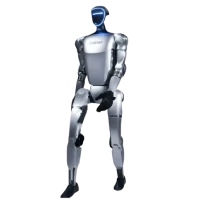
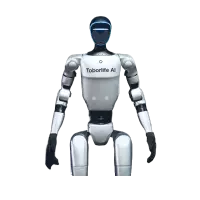
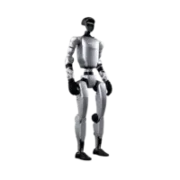
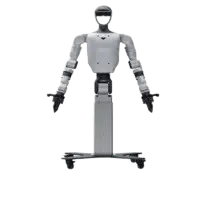
The Unitree Robotics H1 and other advanced humanoid robots featured on Toborlife AI are becoming part of that larger conversation as developers look for robotics systems that already operate at an advanced mobility level.
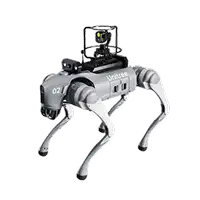
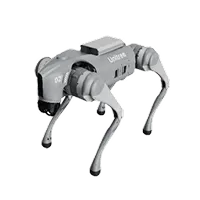
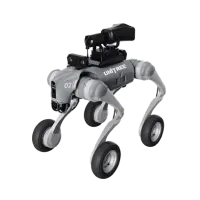
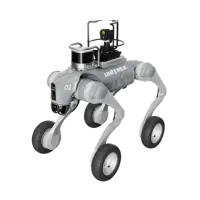
Humanoid and Quadruped Robotics Are Starting to Overlap
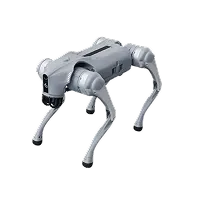
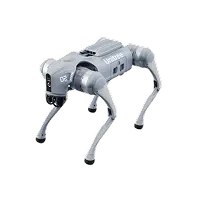
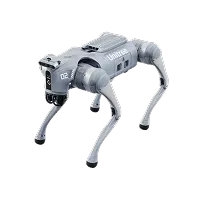
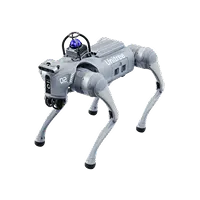
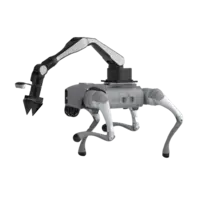
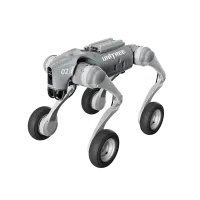
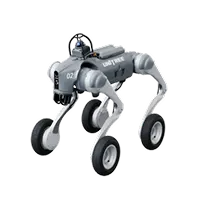
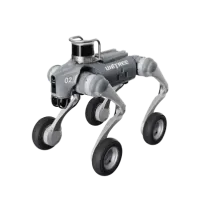
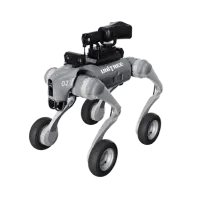
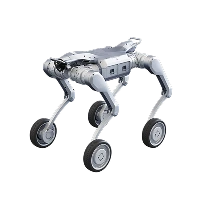
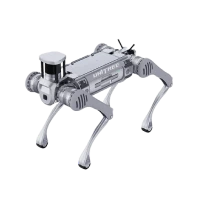
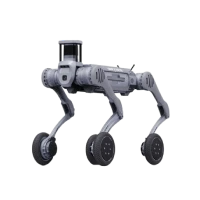
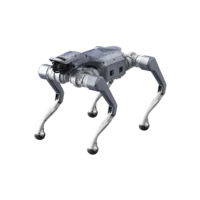
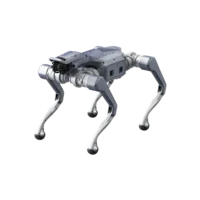
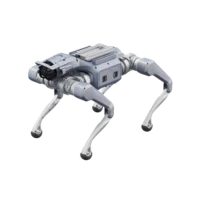
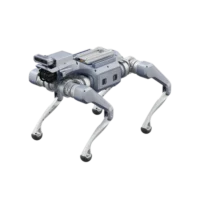
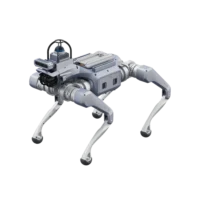
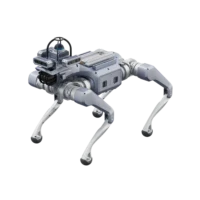
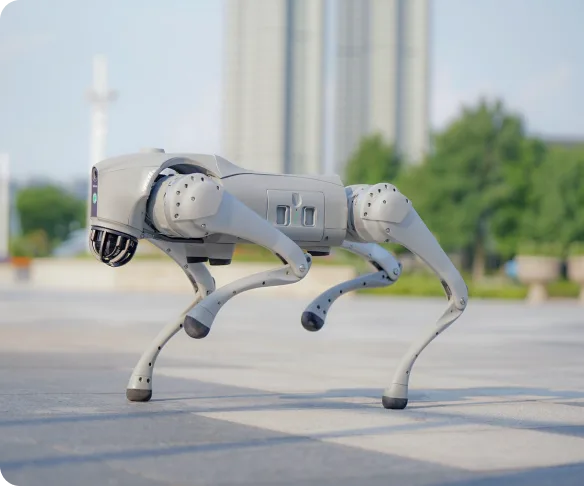
Another interesting shift happening in 2026 is the growing overlap between humanoid robotics and quadruped systems.
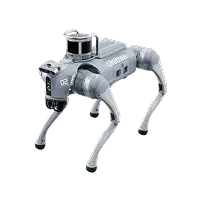
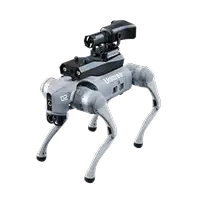
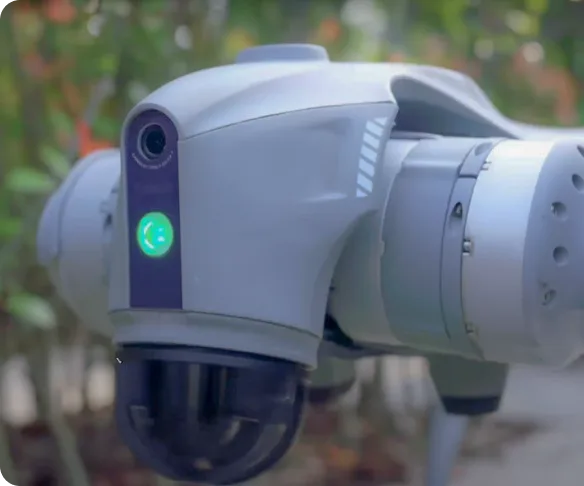
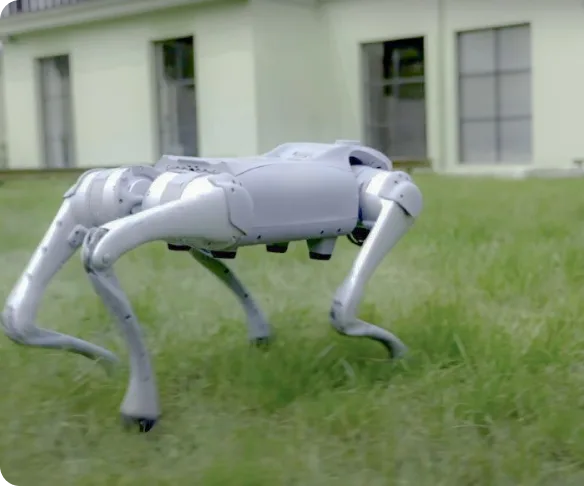
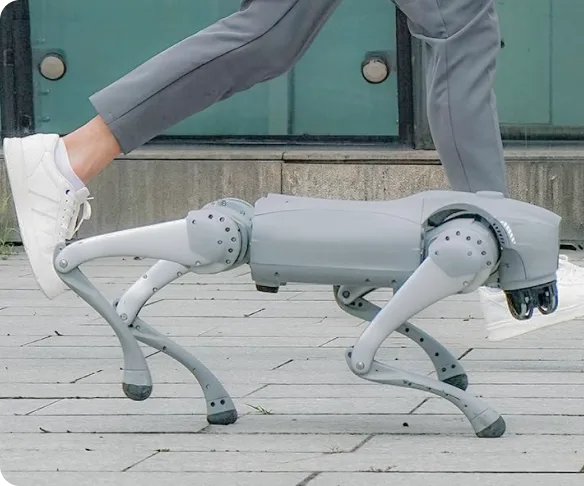
The same AI concepts powering advanced humanoid movement are also improving robotic dogs and autonomous quadrupeds.
That includes:
1. Motion Planning
Robots are learning to navigate changing environments more naturally.
2. Balance Recovery
Advanced locomotion systems now adapt faster after slips or instability.
3. Real-Time Navigation
Edge AI processing allows robots to respond to surroundings with lower latency.
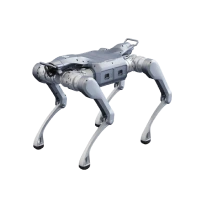
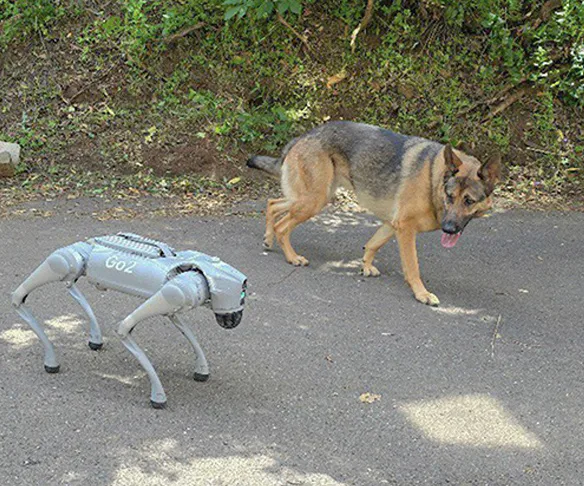
This crossover is also helping expand interest in the robot dog companion category as consumer robotics becomes more interactive and accessible.
Developers increasingly view humanoids and quadrupeds as part of the same embodied AI ecosystem instead of completely separate markets.
ToborLife AI Continues Expanding Access to Next-Generation Robotics
As embodied AI development accelerates in 2026, more robotics developers, research teams, and automation enthusiasts are exploring advanced humanoid systems that are already active in real-world testing and AI experimentation.
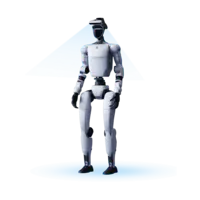
Robots like the Unitree Robotics H1, H2, and other next-generation humanoids gaining visibility across the global robotics industry are also drawing attention to Toborlife AI as interest in high-mobility robotics continues expanding.
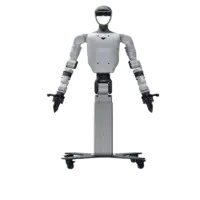
Alongside humanoid systems, we also feature quadruped robots, educational AI robots, and developer-focused robotics designed for reinforcement learning, robotics education, and embodied AI workflows.
So, anyone looking to explore emerging humanoid technologies, upcoming robotics releases, or advanced AI hardware ecosystems can connect with the experts at Toborlife AI to learn more about the latest developments shaping physical AI in 2026.
Physical AI Is Becoming One of 2026’s Biggest Technology Stories
The robotics sector is entering a major expansion phase because physical AI solves a different problem than software AI alone.
Large language models can process information. Humanoid robots can physically interact with environments.
That distinction is becoming critical for industries exploring automation, logistics, inspection, healthcare assistance, and robotics research.
The Beijing marathon event demonstrated how fast mobility systems are improving once AI training and mechanical engineering evolve together.
Several trends are now accelerating simultaneously:
- More robotics funding
- Faster AI training systems
- Lower hardware costs
- Expanding developer ecosystems
- Increased public interest in humanoids
This is why robotics events that once felt niche are now becoming mainstream technology news.
The Race Between Humans and Humanoids Is Entering a New Phase
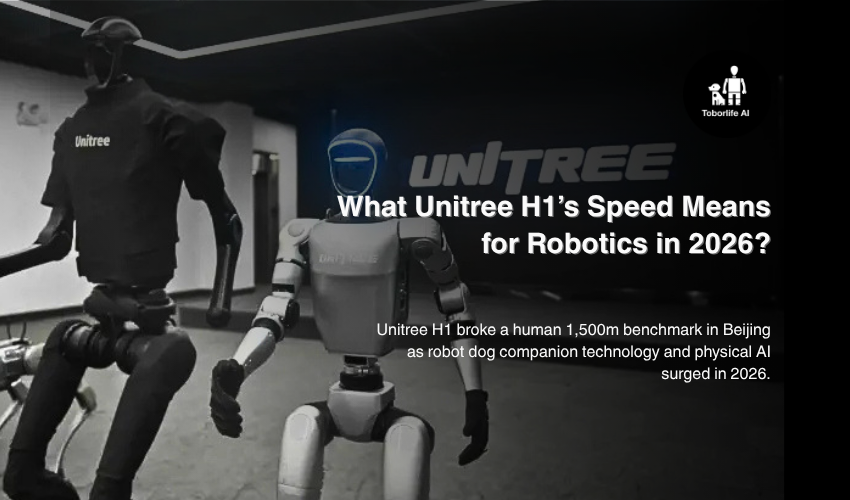
The Beijing qualifier may eventually be remembered as one of the moments that changed public perception around humanoid robotics.
The H1’s performance was not simply about breaking a running benchmark. It represented how quickly embodied AI is transitioning into real-world capability.
In 2026, the robotics industry is no longer asking if humanoid robots can move naturally.
Now the question is how quickly they will scale into everyday environments.
That momentum is also driving more attention toward the next generation of humanoid robots, quadrupeds, and embodied AI technologies featured across Toborlife AI as developers and robotics enthusiasts continue exploring where physical AI is headed next.


Comments are closed for this post.