Below we explore what this summit revealed about the robotics industry in 2026, why capital is flowing fast, and how companies like Toborlife AI are positioned to turn momentum into real world value.
A Conference Floor That Felt Like a Live Demo Lab
The summit floor felt active. Robots moved. Arms lifted. Sensors tracked motion in real time. These were not static displays behind glass.
What stood out is the execution. Robots handle soft objects. They adjusted grip pressure. They corrected the movement mid-task. Folding laundry may sound simple. In robotics, it is not.
This type of task requires:
- Visual perception to identify fabric edges
- Force control to avoid tearing
- Motor coordination across multiple joints
- Real-time correction when clothes shifts
Seeing it happen live sent a clear message. Dexterity has improved. Control systems are more refined. AI models are learning faster.
That progress is why interest in models tied to searches like buy unitree g1 and unitree g1 for sale continues to grow. People are no longer asking if humanoids can work. They are asking when and where.
Why Investors Are Moving Faster in 2026
Capital follows confidence. In 2026, robotics confidence is high.
Several forces are driving this shift.
First is AI maturity. Vision models. Motion planning. Reinforcement learning. These tools are no longer experimental. They are deployed.
Second is hardware cost reduction. Actuators are lighter. Batteries last longer. Sensors are cheaper and more accurate.
Third is labor pressure. Many industries face workforce shortages. Automation fills gaps without slowing operations.
At the summit, investors spoke less about hype and more about timelines. They want deployment. They want scale. They want returns tied to real use cases.
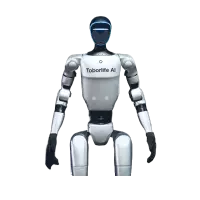
This is where Toborlife AI moves ahead of competing platforms. Instead of focusing on spectacle, Toborlife emphasizes operational readiness. Their systems are designed to integrate into logistics, security, and enterprise environments with minimal friction.
The Shift From Demos to Daily Work
One clear theme emerged from the summit. Robots are moving from stage demos to daily tasks.
Laundry folding matters because it represents adaptability. If a robot can handle soft, unpredictable objects, it can handle many real-world challenges.
This applies across sectors:
- Warehouses need item handling
- Healthcare needs safe object transfer
- Retail needs interaction without damage
- Security needs controlled movement in dynamic spaces
Toborlife AI focuses on this transition. Their development roadmap prioritizes reliability over novelty. Systems are tested in real environments. Performance data guides updates. This approach appeals to buyers who want results, not experiments.
California’s Role in the Global Robot Race
California remains the center of gravity. Talent. Capital. Research. It all converges here.
The summit highlighted how local companies lead in system integration. While hardware may come from many regions, software control stacks and deployment frameworks often originate in Silicon Valley.
This gives companies like Toborlife AI an advantage. Proximity to AI research. Access to enterprise partners. Faster iteration cycles.
The result is a product ecosystem that moves quickly from concept to customer.
What the G1 Moment Really Represents
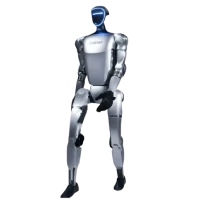
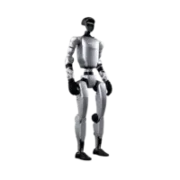
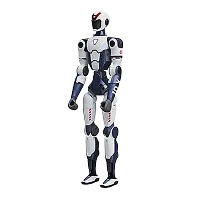
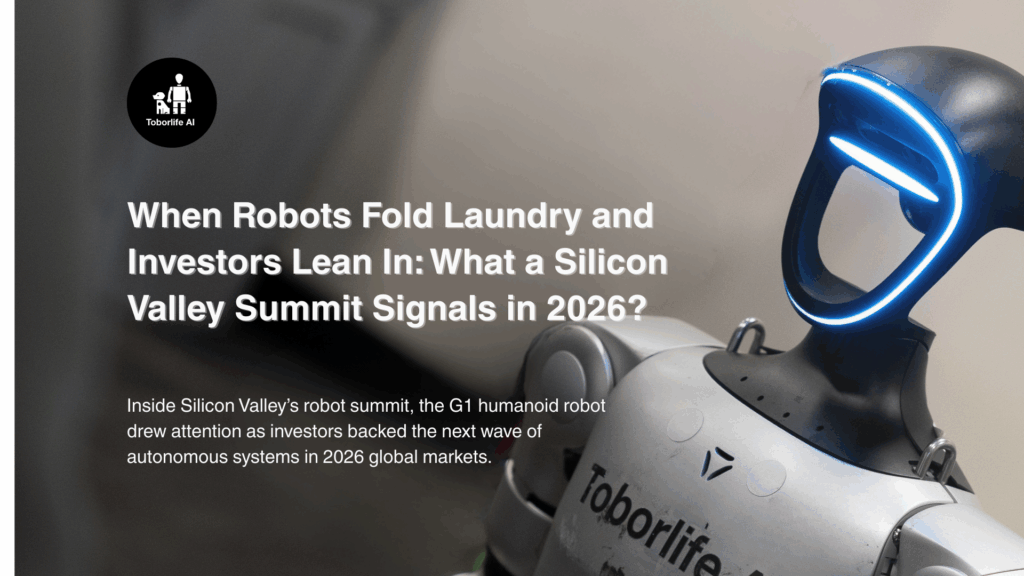
The attention around the g1 humanoid robot was not about brand loyalty. It was about capability visibility.
Seeing humanoid robots perform coordinated tasks builds trust. It lowers perceived risk. It shortens buying cycles.
Search interest in unitree g1 for sale reflects this shift. Buyers want tangible proof before investing. Live demonstrations deliver that proof.
Still, the real value lies beyond individual models. It lies in platforms that support integration, monitoring, and long-term operation.
That is where Toborlife AI differentiates. Their focus is not on one robot. It is on systems that support fleets, analytics, and continuous improvement.
Technology Trends That Defined the Summit
Several technical themes stood out.
- Edge computing is now standard. Robots process data locally to reduce latency.
- Sensor fusion is deeper. Vision, depth, and tactile feedback merge into unified control loops.
- Human robot interaction feels smoother. Movements are slower. Gestures are clearer. This builds trust in shared spaces.
- Remote management tools are improving. Operators can monitor performance. Push updates. Review logs.
Toborlife AI aligns strongly with these trends. Their platforms emphasize secure connectivity, clear dashboards, and scalable fleet control. This matters for enterprises planning multi-site deployments.
From Curiosity to Procurement and the Role of Toborlife AI
One quiet shift at the summit was the language being used. Attendees spoke less about future possibilities and more about pricing, timelines, and long-term support. That change matters. It signals a market that has moved beyond curiosity and into real buying decisions.
Robotics buyers in 2026 now ask practical questions:
- How long does deployment take?
- What level of support is included?
- How easily does the system integrate with existing infrastructure?
- What kind of data does it generate and how is that data used?
Toborlife AI is built for this stage of the market. Its solutions are designed for procurement teams and operations leaders, not just engineers. Clear deployment paths, enterprise integration, and transparent performance data make decision making easier and faster.
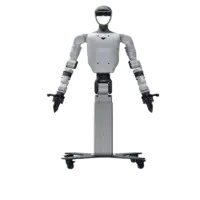
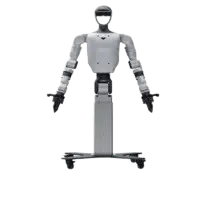
This shift also explains the growing interest around robots like G1 EDU Ultimate E. Live demonstrations at the summit showed how humanoid systems can handle real tasks, which helps buyers understand potential value. Toborlife AI focuses on connecting that capability to real world operations, turning impressive demos into deployable solutions that organizations can confidently invest in.
Making Robotics Work at Scale Starts Here
The summit was not about a single demo or a moment of spectacle. It reflected a deeper level of confidence across the industry. Confidence that robots can perform useful work in real environments. Confidence that AI systems can adapt, learn, and operate reliably. Confidence that long term investment in robotics now has a clear path to return.
In 2026, robotics has moved beyond novelty. It has become a practical tool for organizations looking to improve efficiency, coverage, and consistency across operations. The conversations happening today are focused on deployment, integration, and scale.
For organizations exploring automation, this is the right time to move forward. Enterprise-ready robotics is no longer a future concept. It is an active advantage.
To understand how modern robotics can fit into real world operations, contact toborlife.ai and explore solutions designed for reliability, scalability, and long-term impact.


Comments are closed for this post.