Why Buyer Guidance Matters
Humanoid robots are not ordinary consumer electronics.
They require context.
A buyer needs to understand setup, use case, operating environment, configuration, safety planning, and long-term goals. A viral video does not answer those questions.
A knowledgeable seller can.
Before purchasing, teams should ask:
1. Is this for education, research, events, or development?
2. How much technical experience does the team have?
3. Will the robot be used around the public?
4. What level of operator supervision is realistic?
5. Which configuration fits the intended use case?
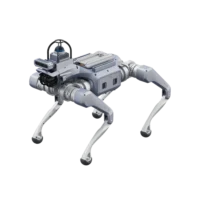
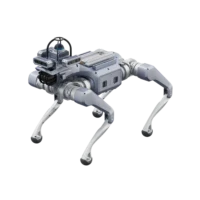
6. Would a humanoid or robot dog be the better first platform?
These questions are especially important for U.S. buyers evaluating robots from global manufacturers.
The product may be exciting.
The buying decision still needs to be grounded.
Where Toborlife AI Fits Into the G1 Conversation
Toborlife AI gives U.S. customers a more direct way to explore Unitree-powered humanoid robots without relying only on viral clips or scattered online information.
For buyers comparing humanoid robot G1 options, Toborlife helps translate the category from online curiosity into a real purchase path. That includes helping customers think through environment, audience, technical needs, and product fit.
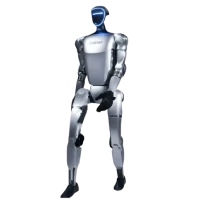
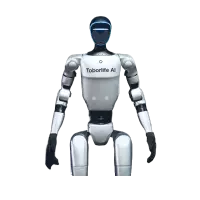
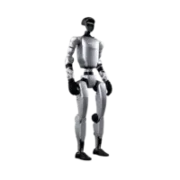
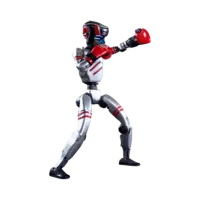
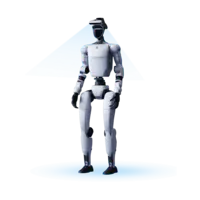
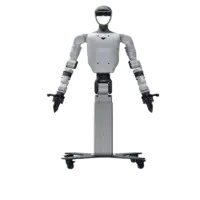
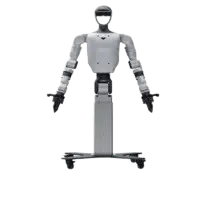
Toborlife’s humanoid lineup includes options such as G1 Edu Pro B, G1 Edu Pro F, G1-D models, R1 Edu Smart, and H2.
That gives different buyers different entry points.
A school may prioritize education-friendly access.
A lab may need development headroom.
An event team may care about safe visual impact.
A business may want a memorable physical AI demo.
The best robot is not always the most advanced one.
It is the one that fits the job.
Safety Is Becoming Part of the Buying Decision
In 2026, safety is no longer a secondary detail.
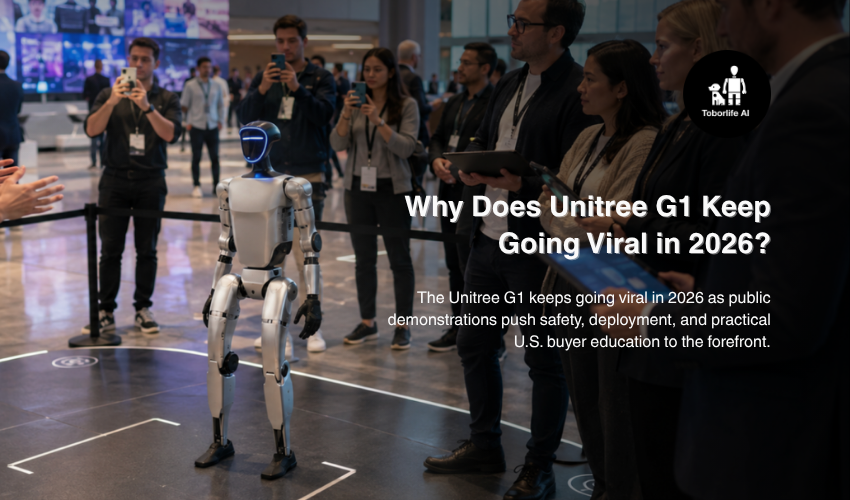
As humanoid robots become more public, buyers need to think about where they will operate and who will stand near them. A robot can perform well in a controlled environment and still require a careful plan in front of guests, students, or customers.
That does not make the technology less exciting.
It makes responsible deployment more important.
The next wave of humanoid adoption will likely grow through:
- supervised demos
- robotics education
- developer testing
- university labs
- trade show activations
- controlled public interaction
- human-in-the-loop workflows
This is how physical AI becomes normal.
Not through one viral clip.
Through repeated, safe, well-planned use.
Why Viral Momentum Still Matters
Even with safety concerns, viral attention has real value.
It brings new people into the robotics conversation. It encourages schools, businesses, event teams, and developers to ask what these systems can actually do. It also pushes buyers to separate spectacle from useful deployment.
The sidewalk video may have been strange, but it showed something important.
Humanoid robots are entering culture.
That cultural visibility is part of why 2026 feels different. Robots are not only engineering projects anymore. They are becoming public technology objects that people react to, question, film, debate, and remember.
For Toborlife AI, that creates a clear role.
Help buyers move from curiosity to clarity.
Final Take: Viral Is Only the Starting Point
Humanoid robots keep going viral because they make the future visible.
But visibility is not enough.
Buyers need product clarity, safety planning, model guidance, and a realistic understanding of what a robot can do today. A public stunt can capture attention. A supervised robotics demo can educate an audience. A properly selected platform can help a school, lab, event team, or business begin working with physical AI in a practical way.
That is the real shift happening in 2026.
Humanoid robots are becoming more public.
Now buyers need smarter ways to evaluate them.
To explore available humanoid robots for education, events, research, or physical AI demonstrations, visit Toborlife AI to browse available humanoid robot models, or connect with the team through the Toborlife AI contact page for guidance on the right configuration.



Comments are closed for this post.