The Demo Was Flashy, but the Buyer Signal Was Practical
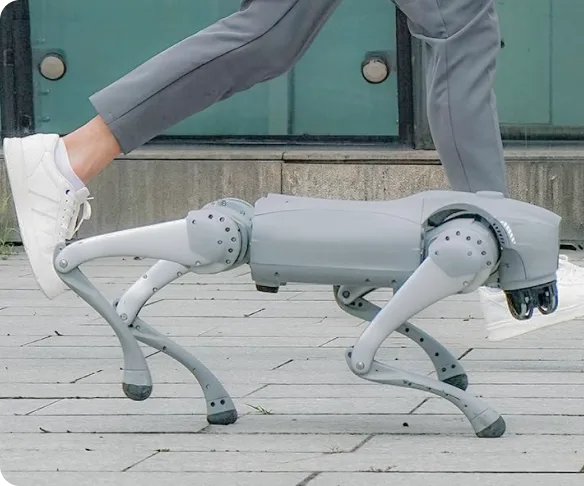
A robotic quadruped performing a dynamic flip is an easy concept for a general audience to marvel at on a smartphone screen. For a technical buyer, however, that movement demonstrates immense mechanical confidence, precision motor control, and excellent spatial equilibrium. It proves that the physical platform can successfully recover its footing from unpredictable, dynamic slips while operating out in the field.
For modern industrial operators, the vital question isn’t whether a machine can execute an acrobatic stunt for a promotional video. The core inquiry is whether that exact same structural strength and locomotion stability can directly support demanding, everyday workplace workflows. This includes rigorous tasks like perimeter patrol, asset inspection, cargo transport, and supervised research development. When a machine can reliably climb steep structural stairs and carry heavy operational weight through difficult terrains, it transitions from a novelty into a serious mobile platform.
Strength and Payload Are Becoming Buying Factors
In field robotics, payload matters.
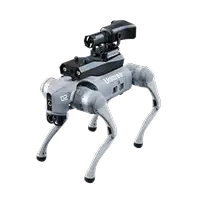
A robot dog that can carry useful equipment becomes more valuable than one that only walks around. Cameras, sensors, inspection tools, communications hardware, emergency supplies, and research payloads all change what a robot can do in the real world.
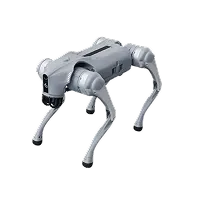
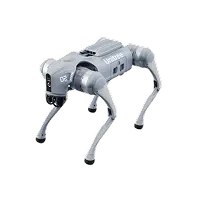
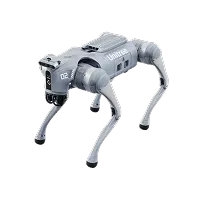
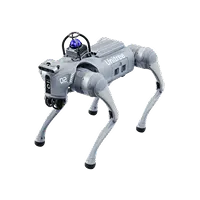
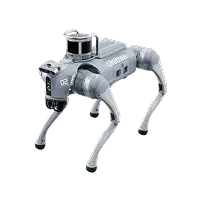
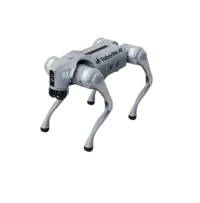
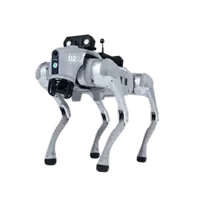
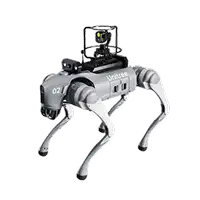
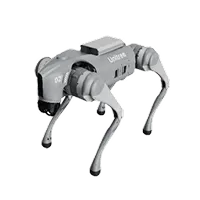
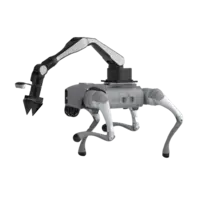
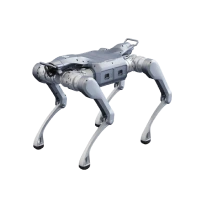
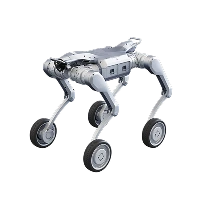
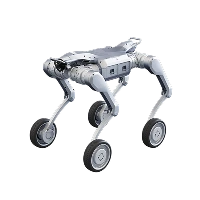
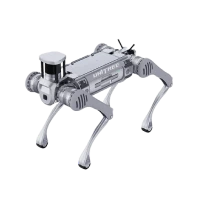
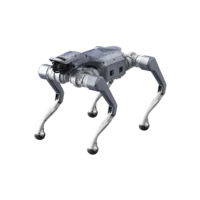
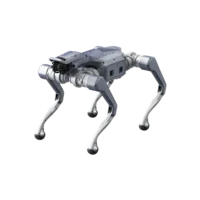
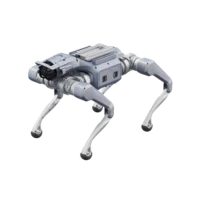
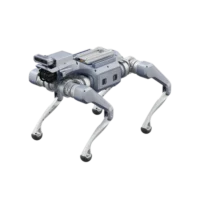
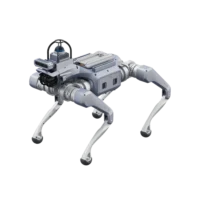
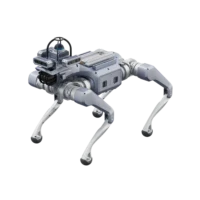
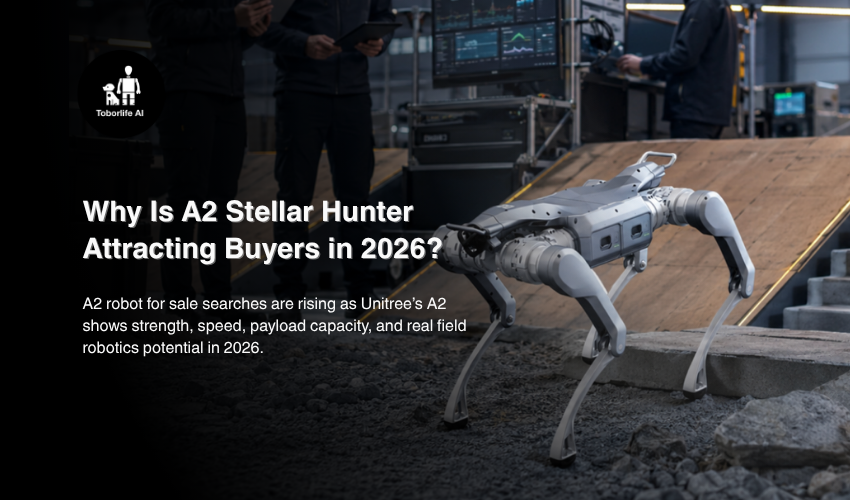
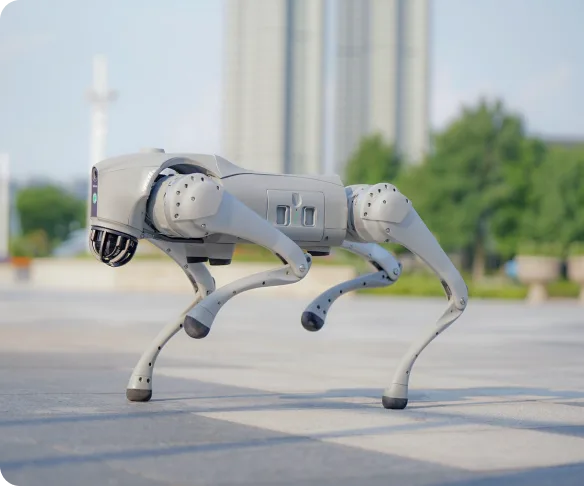
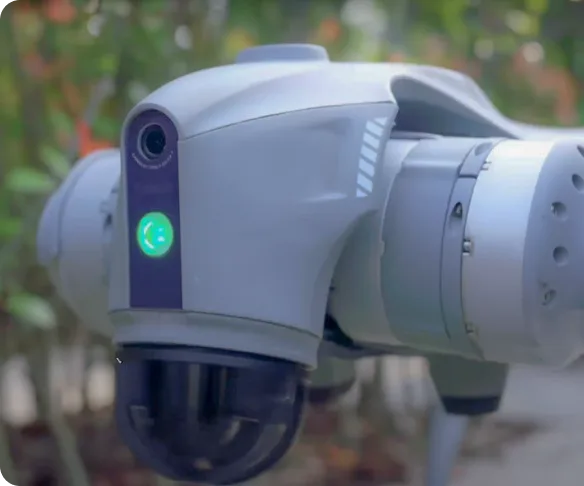
Notebookcheck reported that the A2 can carry up to 66 pounds on its back, a major jump from the older A1’s reported 15-pound maximum. The same report said the A2 can climb stairs with gradients up to 45 degrees and now uses LiDAR sensors for improved perception.
That combination is important.
Payload alone is not enough.
Mobility alone is not enough.
Perception alone is not enough.
Industrial buyers need all three to work together.
That is what makes the A2 conversation more serious in 2026.
Speed Matters, but Not for the Reason People Think
Speed is one of the easiest specs to market.
But in robotics buying, speed is not only about moving fast. It is about operational efficiency.
A faster robot can cover more ground during patrol. It can complete inspection routes more quickly. It can move between zones in a large facility without wasting time. It can support larger campuses, industrial sites, research test areas, and field demonstrations.
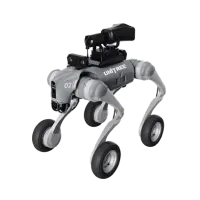
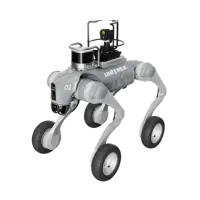
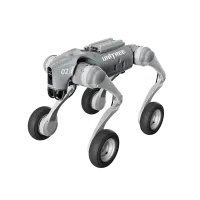
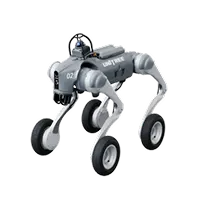
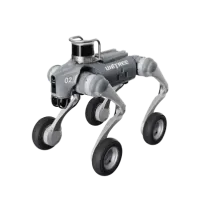
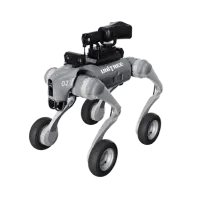
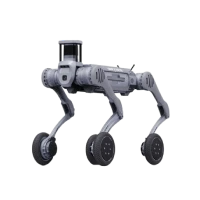
Notebookcheck reported that the Stellar Hunter can reach 8.3 mph on four legs, and up to 11.2 mph when fitted with wheels. The article also noted improved runtime, with up to five hours on a single battery charge and up to three hours while carrying maximum load.
That is where speed becomes practical.
It is not only about spectacle.
It is about route coverage.
Buyers Should Look Beyond Demo Tricks
The global robotics market is saturated with highly stylized promotional videos, which naturally creates a distinct evaluation challenge for corporate procurement officers. A well-edited video can make almost any piece of hardware look entirely flawless and futuristic. Because of this, an authentic enterprise purchase decision must always be grounded in localized environment testing, realistic workflow mapping, and experienced supplier guidance.
For operations teams actively researching a professional A2 robot for sale, the diagnostic questions are straightforward. Buyers must clarify whether the machine will operate primarily indoors, outdoors, or across mixed facility terrains. They must also evaluate if their specific program demands heavy payload integration, continuous operator supervision, or open-source software customization. These core questions are essential because an academic laboratory researching multi-agent coordination requires a completely different hardware configuration than a facility manager safeguarding a construction perimeter.
Why Industrial Buyers Are Watching Quadrupeds Closely
Quadruped robots are gaining attention because they solve a different problem from stationary automation.
They move through space.
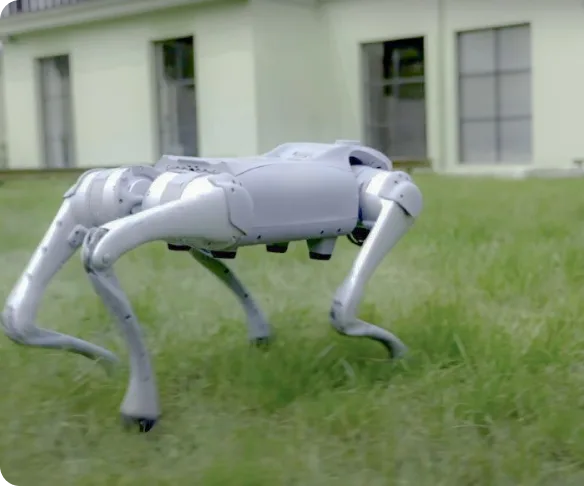
That gives them value in environments where fixed cameras, static sensors, or manual walkthroughs are limited. A quadruped can patrol a route, inspect an area, carry equipment, climb stairs, and help operators understand what is happening in the field.
That makes the A2 especially relevant for:
- security patrol
- perimeter monitoring
- industrial inspection
- construction site checks
- infrastructure observation
- field mobility testing
- robotics research
- emergency support planning
- corporate innovation demos
The strongest use cases are not always the most dramatic ones.
Sometimes the best robot is the one that can repeat a useful route every day.


Comments are closed for this post.