Physical AI Is Becoming the Next Frontier of Artificial Intelligence
Most AI systems today operate entirely in digital environments. They analyze data, generate text, and support software automation.
Physical AI introduces a new concept. AI systems that control machines operating in the real world. Instead of only processing information, AI begins interacting with objects, environments, and physical tasks.
Robots powered by physical AI can perform activities such as:
- identifying objects in a workspace
- navigating indoor environments
- picking up and moving materials
- adapting to changes in surroundings
To accomplish this, robots must combine perception, reasoning, and motion.
Perception allows the robot to understand what it sees. Cameras and sensors collect data about the environment. Reasoning allows the robot to decide what action to take. Motion systems allow the robot to move safely while completing tasks.
Google is now investing heavily in the software layer that connects these capabilities.
Intrinsic’s Mission to Simplify Robotics Development
One of the biggest barriers in robotics has always been complexity.
Developers must integrate many components before a robot can perform useful work.
These components include:
- perception systems
- motion planning algorithms
- robotic manipulation tools
- testing environments
Intrinsic focuses on creating tools that simplify these tasks.
The company provides software environments that allow developers to test robotic behavior through simulation before deploying robots in real environments.
Simulation tools are critical in robotics. They allow engineers to experiment without risking hardware damage or operational failure.
Developers can simulate robotic movements, train AI models, and refine tasks before the robot enters a real workplace.
As these tools improve, robotics development becomes faster and more accessible.
Why Humanoid Robots Are Getting More Attention
Robotic arms have existed in factories for decades. They perform precise tasks such as welding and assembly.
Humanoid robots serve a different purpose.
They are designed to operate in spaces built for humans. Factories, warehouses, and offices all contain infrastructure designed around human movement.
Humanoid robots can walk through these environments without requiring major redesigns.
This flexibility makes them attractive for tasks such as logistics and inspection.
Developers experimenting with the R1 humanoid robot are studying how machines can navigate environments that include stairs, doorways, and equipment.
Humanoid robots can potentially handle many tasks that traditional industrial machines cannot easily perform.
Unitree’s Humanoid Robots Are Attracting Global Developer Interest
Several robotics companies are developing humanoid machines, but one that has attracted significant attention is Unitree Robotics.
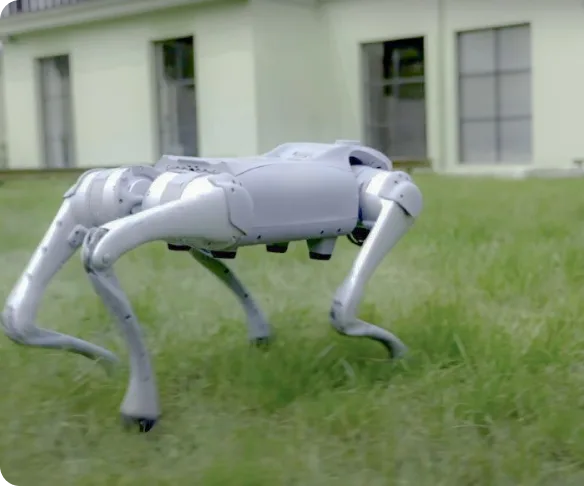
The Unitree R1 robot represents a new generation of compact humanoid machines designed for agility and research experimentation.
Developers studying the Unitree R1 humanoid robot often focus on several key capabilities.
These include dynamic movement, balance control, and sensor based perception.
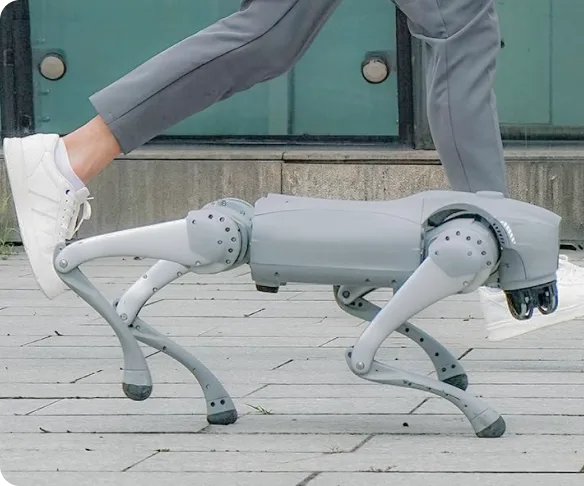
Humanoid robots must constantly adjust their posture while walking or carrying objects. This requires advanced actuator systems combined with real time sensor feedback.
Researchers working with the R1 humanoid robot explore areas such as navigation algorithms, object manipulation, and human robot interaction.


Comments are closed for this post.