The Robotics Stack Is Becoming More Important Than Individual Robots
One of the biggest lessons from the current AI wave is that ecosystems often matter more than isolated products.
That same principle is now reshaping robotics investment strategy.
Investors are paying close attention to companies capable of controlling the broader robotics stack instead of relying heavily on external suppliers for core technologies. This stack-level approach is quickly becoming one of the defining themes in physical AI investing.
That includes ownership across:
1. Motion systems
High-performance actuators and locomotion architecture are becoming critical competitive advantages.
2. Robotics AI layers
Humanoids increasingly depend on advanced embodied AI models for navigation, coordination, and task adaptation.
3. Simulation environments
Virtual training systems allow robotics companies to accelerate movement learning and physical AI development.
4. Battery infrastructure
Energy density and runtime optimization remain essential for large-scale humanoid deployment.
How the Unitree G1 Series Is Accelerating So Fast
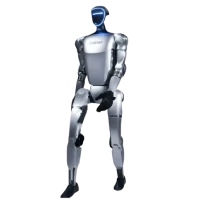
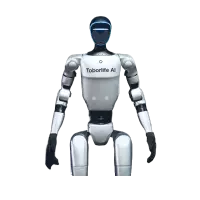
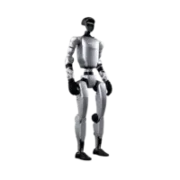
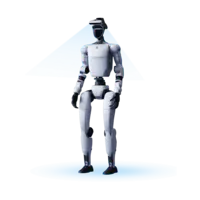
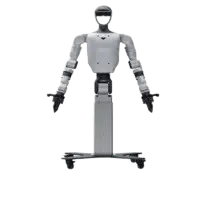
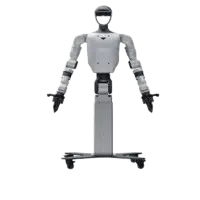
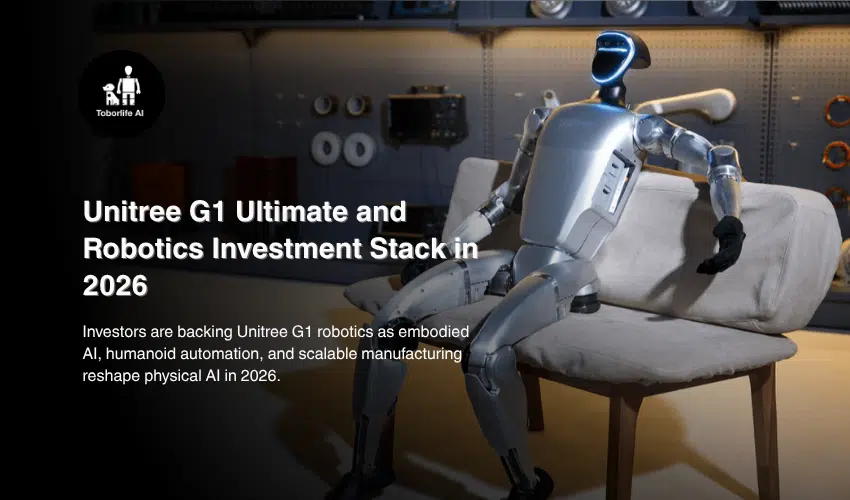
The Unitree G1 lineup available at Toborlife.ai is attracting attention because it represents more than a single humanoid product.
It reflects how quickly robotics hardware, AI coordination, and manufacturing scale are converging into commercially viable systems.
The G1 ecosystem is especially interesting for developers and robotics communities exploring:
- Embodied AI training: Humanoids are becoming valuable testbeds for physical-world AI learning.
- Compact humanoid mobility: Lighter robotics systems create more flexibility across operational environments.
- Human-centered robotics: Humanoids can function inside spaces already designed for human movement.
- Robotics accessibility: More research teams and developers can now access advanced humanoid systems.
Investors See Robotics as the Next Infrastructure Layer
The AI industry is beginning to realize that physical execution may become just as important as digital intelligence.
Chatbots and software copilots accelerated AI adoption globally, but robotics introduces something much larger.
Machines capable of moving, coordinating, lifting, navigating, inspecting, and interacting with physical environments create entirely new economic opportunities.
That is why venture capital is increasingly moving toward:
- Physical AI startups
- Robotics manufacturing
- Autonomous mobility systems
- Simulation companies
- Robotics software infrastructure
- Edge AI hardware
The robotics stack is evolving into a full technology ecosystem instead of a niche engineering category.
That transition could reshape multiple industries over the next decade.
Toborlife AI Is Closely Following the Robotics Shift
As physical AI continues expanding across industries, we are also continuing to grow our robotics ecosystem at Toborlife AI around next-generation humanoid systems, mobility robotics, and emerging embodied AI technologies shaping the future of automation.
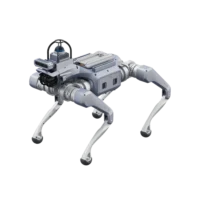
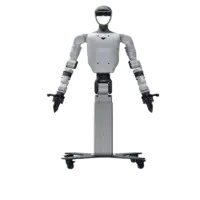
Interest around robotics like the Unitree G1 lineup, including models such as the G1 Edu Ultimate B and G1-D Ultimate A, is increasing rapidly among developers, robotics enthusiasts, creators, and research communities exploring real-world humanoid deployment and AI mobility systems.
Some of the areas accelerating robotics adoption include:
- AI-driven humanoid movement
- Advanced mobility robotics
- Embodied AI learning environments
- Developer-focused robotics access
- Expanding humanoid robotics ecosystems
As the robotics industry evolves beyond concept-stage experimentation, the demand for scalable humanoid systems and integrated AI mobility technologies is growing significantly across global markets.
The Robotics Investment Race Is Just Getting Started
The current robotics wave feels very similar to the early internet and EV eras when infrastructure growth quietly began reshaping entire industries.
Unitree’s rapid rise shows how quickly humanoid robotics is transitioning from research-stage technology into scalable commercial infrastructure.
The next decade of AI may not be dominated only by software companies. It may also belong to robotics ecosystems capable of combining manufacturing scale, embodied AI, mobility systems, and autonomous execution into a single integrated stack.
The global robotics industry is moving rapidly toward scalable physical AI, and we are continuing to expand our robotics ecosystem at Toborlife AI with advanced humanoid systems and next-generation AI mobility technologies.
You can also connect with the Toborlife AI experts to explore evolving robotics technologies.


Comments are closed for this post.