The Humanoid Industry Is Moving Into Hypergrowth Territory
Several years ago, humanoid robotics still felt experimental to much of the business world.
That perception is changing rapidly.
The latest market reports show a major transition happening across the robotics ecosystem as improvements in AI coordination, mobility systems, robotics software, and hardware manufacturing start converging at the same time.
This creates a powerful growth cycle.
As robotics hardware improves, deployment opportunities expand. As deployment increases, more operational data becomes available. That data then improves robotics performance even faster.
The result is a market accelerating across multiple industries simultaneously.
The biggest growth sectors currently include:
- Logistics automation
- Industrial robotics
- Healthcare assistance
- Infrastructure inspection
- Educational robotics
- Warehouse operations
- AI mobility systems
- Human-machine collaboration
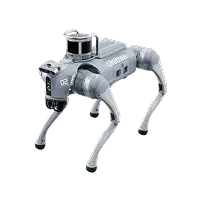
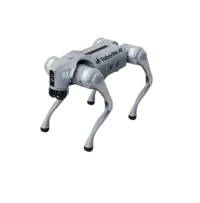
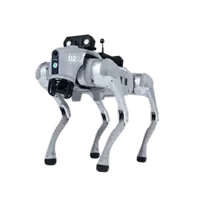
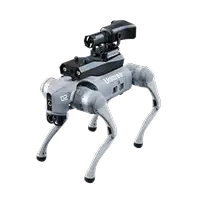
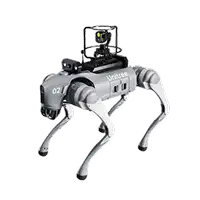
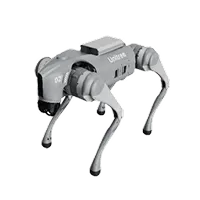
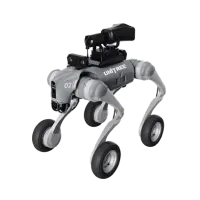
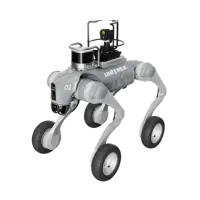
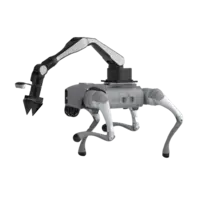
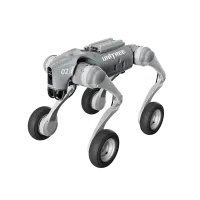
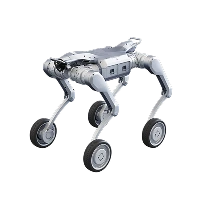
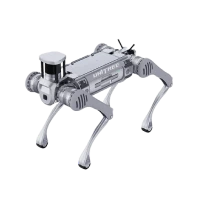
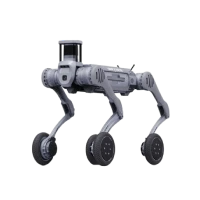
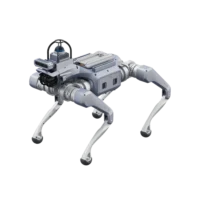
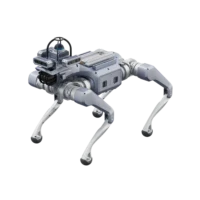
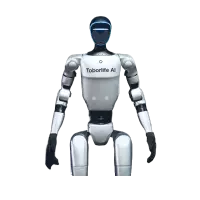
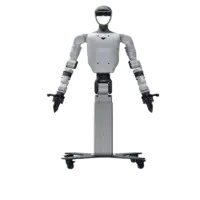
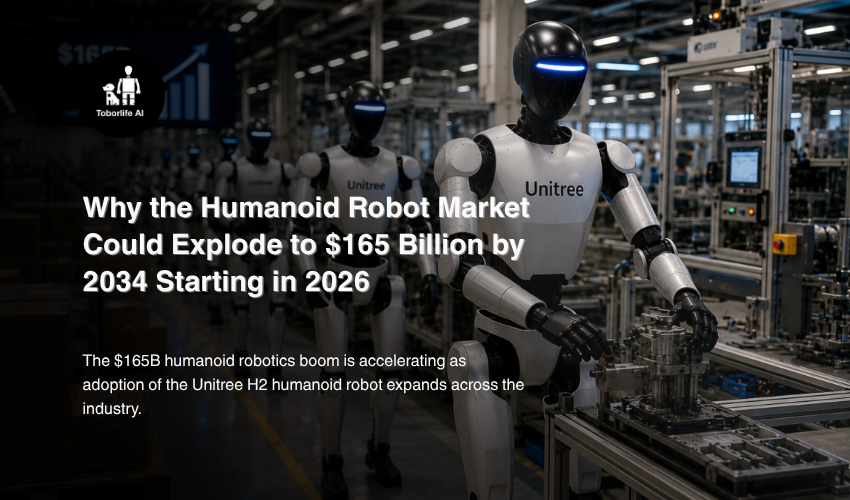
This is one reason robotics companies like Unitree h2 are now scaling production much more aggressively than before.
Why AI Agents Are Increasing the Value of Humanoid Robots
One important trend accelerating the robotics market is the rapid rise of AI agents and automation orchestration systems.
Modern humanoid robots are no longer functioning only as physical machines. Increasingly, they are becoming connected operational endpoints inside larger AI ecosystems.
That means robots can:
1. Smarter Workflow Coordination
AI agents help manage workflows between robotics systems, enterprise software, and automation environments.
2. Faster Operational Response
Advanced AI orchestration improves how robots respond to changing environments.
3. Human-Robot Collaboration
Many industries are now exploring collaborative environments where robotics systems assist human workers directly.
4. Enterprise Automation Growth
Humanoids are becoming part of broader intelligent automation strategies rather than isolated robotics projects.
5. Continuous Data Learning
Connected robotics systems can improve performance over time by processing operational data from real-world environments.
This convergence between AI agents and robotics infrastructure is becoming one of the defining technology stories of 2026.
Asia-Pacific Is Leading the Humanoid Expansion Race
Market projections also show Asia-Pacific continuing to dominate humanoid robotics growth.
China, Japan, and South Korea are investing heavily across robotics manufacturing, AI infrastructure, automation systems, and mobility technologies. Labor shortages and aging populations are accelerating adoption even further.
Several important shifts are happening simultaneously:
1. Lower Hardware Costs
Manufacturing scale is helping reduce robotics pricing over time.
2. Government AI Initiatives
National AI and robotics strategies are expanding across multiple countries.
3. Logistics Automation Growth
Warehouses, ports, and transportation systems increasingly require robotics support.
4. Rising Consumer Familiarity
Consumers are becoming more familiar with humanoid robots through education, media, and commercial deployments.
5. Faster Robotics Manufacturing
Production capabilities are improving rapidly as robotics demand expands across global markets.









Comments are closed for this post.