What LG Is Demonstrating With CLOiD at CES 2026
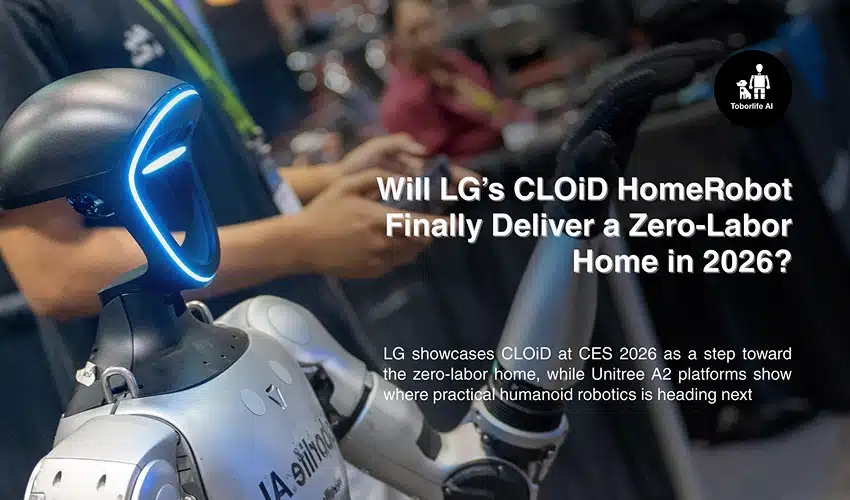
LG frames CLOiD as a central piece of its “zero labor home” vision. Rather than acting as a single-task appliance, the robot functions as a general household assistant integrated into LG’s smart home ecosystem.
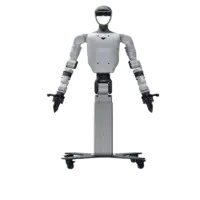
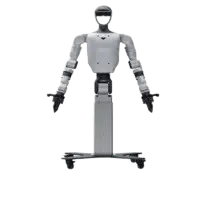
CLOiD features two articulated arms with multiple degrees of freedom and dexterous hands capable of fine manipulation. This hardware allows the robot to grip soft fabrics, handle kitchen items, and interact with standard household appliances.
At CES, LG describes CLOiD performing tasks such as folding and stacking laundry, loading washing machines, retrieving milk from the refrigerator, placing baked goods in the oven, and assisting with breakfast preparation.
The message is clear. Physical robotics is becoming a core layer of home automation.
Why Folding Laundry Is a Big Deal in Robotics
Folding laundry may sound simple. In robotics, it is not.
Fabric is unpredictable. It bends, wrinkles, and shifts. Successfully folding clothes requires advanced perception, force control, and real-time adjustment.
By showcasing this task, LG is signaling confidence in CLOiD’s manipulation capabilities. Even if execution remains slow or staged, the intent reflects how far domestic robotics has progressed.
This same challenge explains why many buyers look beyond consumer demos and toward platforms designed for stability and repeatability. That is where industrial and enterprise humanoids often lead the way.
How This Fits Into the Broader Robotics Landscape
CLOiD represents one end of the humanoid spectrum. A consumer-focused assistant deeply integrated into a branded ecosystem.
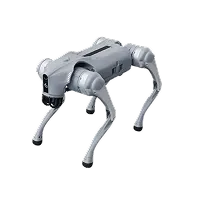
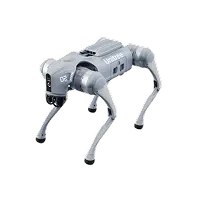
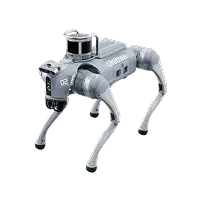
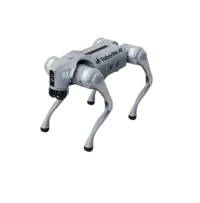
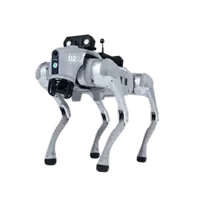
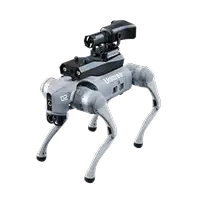
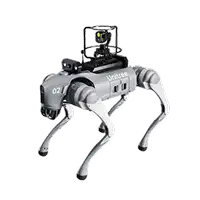
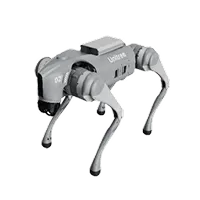
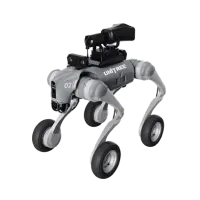
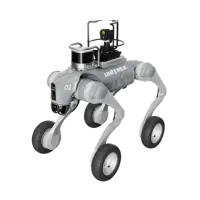
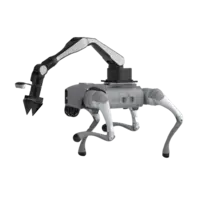
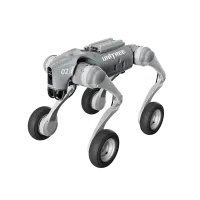
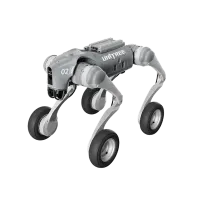
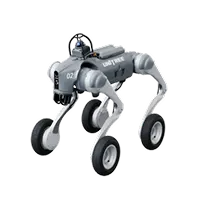
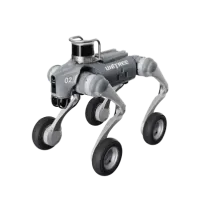
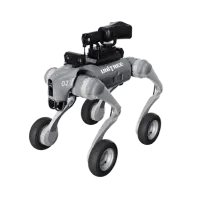
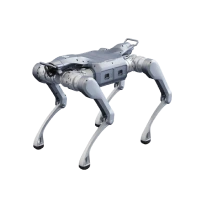
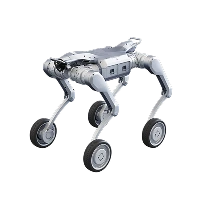
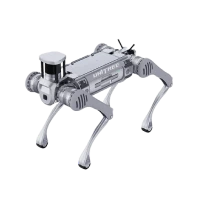
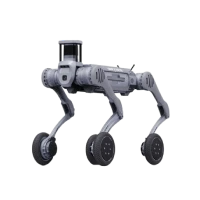
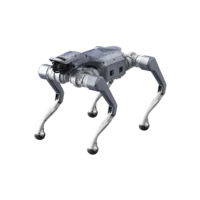
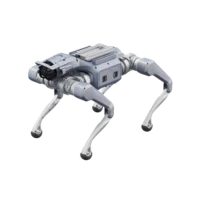
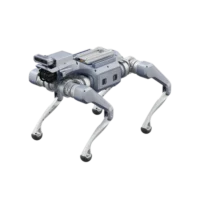
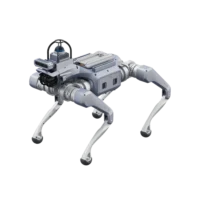
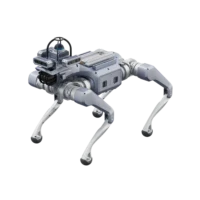
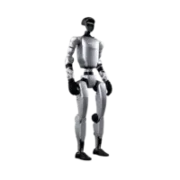
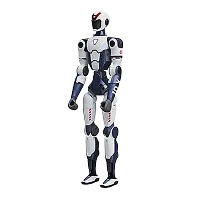
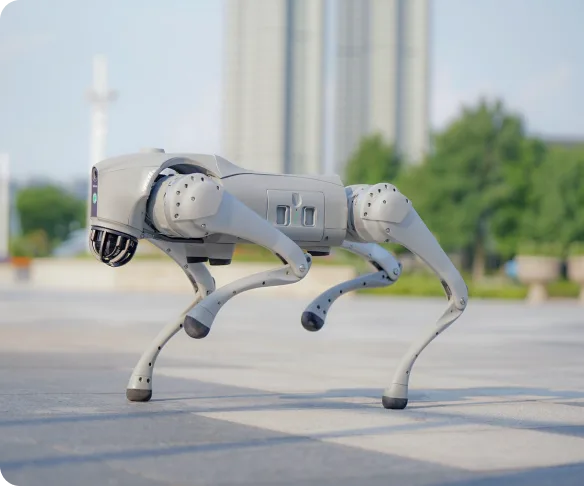
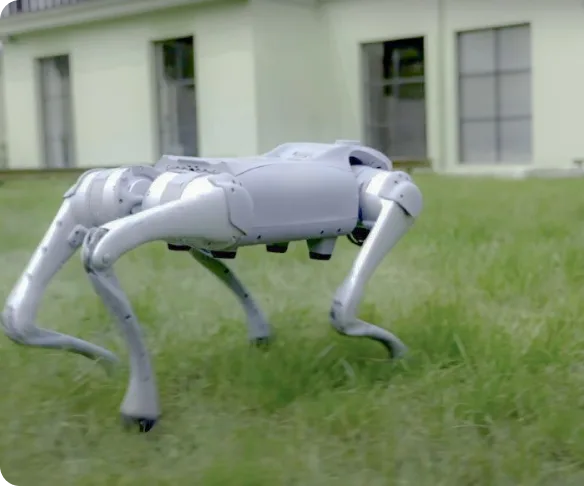
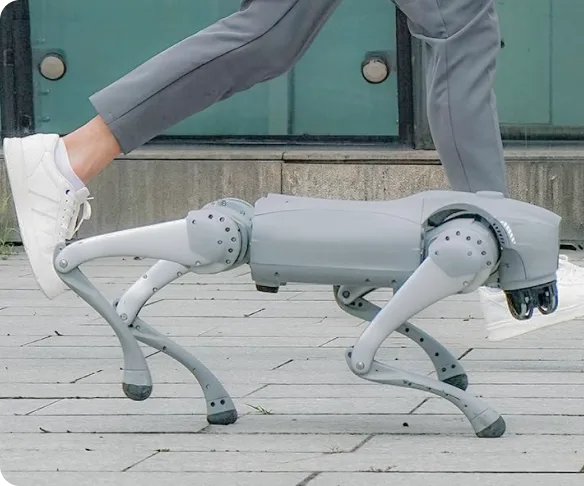
On the other end are platforms like unitree a2 robots, which emphasize mobility, balance, and reliable operation across structured environments. These systems are designed to scale into commercial and service roles before entering homes.
Both approaches matter. Consumer robots push expectations. Deployment-ready humanoids refine what works in the real world.
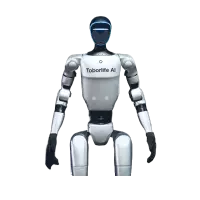
Toborlife AI tracks both categories to help buyers understand where robotics is practical today and where it is headed next.
The Technical Foundations Behind CLOiD
CLOiD relies on a combination of vision systems, speech interaction, and AI-driven task planning. Cameras and sensors allow it to understand object position and orientation. Voice interaction enables natural communication. AI models plan sequences of actions across multiple steps.
LG also positions CLOiD as a smart home coordinator, acting as a physical interface to connected appliances. Instead of opening apps or issuing commands, users interact with a robot that executes tasks directly.
This convergence of robotics and smart home infrastructure defines a new category of domestic automation.
The Shift From Concept Humanoids to Working Platforms
While CLOiD captures attention, buyers evaluating robotics often ask different questions.
Can the robot operate for long periods without intervention? How stable is navigation across different environments? What does maintenance look like after deployment?
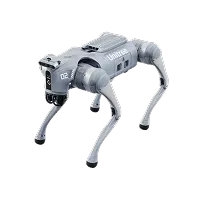
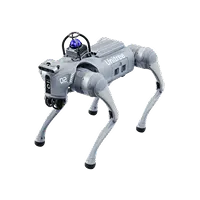
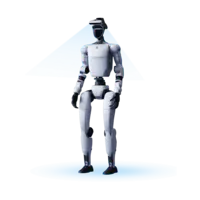
These questions lead many toward platforms like the A2 Robot, which is designed with balance, locomotion, and operational consistency as priorities.
At Toborlife AI, humanoid platforms are evaluated not just for capability but for readiness.
Toborlife AI’s Perspective on Home and Service Robotics
Toborlife AI sits at the intersection of innovation and application. We help buyers look past announcements and focus on deployment realities.
Our evaluations consider:
Mobility Stability and Balance Over Extended Operation: Robots must perform consistently over long duty cycles without frequent resets or recalibration.
Software Ecosystem Maturity and Update Cycles: A stable software stack with predictable updates ensures long-term usability and integration.
Hardware Durability and Serviceability: Components should withstand repeated use and allow straightforward maintenance and part replacement.
Clear Role Alignment Rather Than Broad Promises: Robots designed for specific tasks deliver stronger results than platforms trying to cover every scenario.
Operational Support and Lifecycle Readiness: We assess the availability of documentation, training, and post-deployment support that keeps systems productive over time.
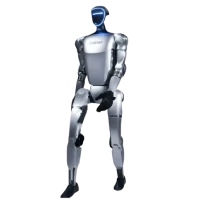
This approach is why platforms from a reliable A2 robot supplier often stand out. It is also why humanoid systems like the Unitree G1 models available through Toborlife AI align well with real-world home and service applications, combining stable mobility, structured task execution, and deployment-ready design for long-term use.
Why CES 2026 Feels Like a Turning Point
CES 2026 does not feel speculative. It feels transitional.
Companies are no longer asking if robots can enter homes. They are asking how and when. CLOiD is part of that answer.
At the same time, enterprise and service humanoids continue to set performance benchmarks. These systems inform what consumer robots will eventually become.
This feedback loop accelerates progress across the industry.
From Concept Homes to Real Deployment
The idea of a zero-labor home is compelling. Real adoption will happen in stages.
Early versions will assist with specific tasks. Over time, capabilities will expand as reliability improves and costs decrease.
Buyers who understand this progression can make better decisions today.
That is where Toborlife AI adds value. We help customers choose platforms that fit current needs while aligning with future capabilities.
Why Toborlife AI Highlights Deployment-Ready Robotics
Toborlife AI does not promote robotics based on novelty. We focus on systems that can operate consistently outside controlled demos.
Humanoid robots available through toborlife.ai are assessed for navigation stability, interaction quality, and operational longevity. These traits define real value.
As home robotics evolves, the gap between consumer vision and practical deployment will narrow. Platforms that perform reliably now will shape that future.
Looking Ahead to the Zero-Labor Home
CLOiD offers a glimpse into how domestic robotics may evolve. A humanoid assistant that performs daily chores and integrates deeply into home systems.
The broader industry shows that success depends on fundamentals. Balance. Control. Software maturity. Service support.
As these elements converge, the zero-labor home becomes less aspirational and more achievable.
Final Perspective
LG’s CLOiD highlights how far home robotics has progressed and how ambitious the next phase will be.
At the same time, deployment-ready humanoids like Unitree A2 platforms demonstrate what works in structured environments today.
For buyers navigating this fast-moving space, clarity matters more than excitement.
Toborlife AI helps bridge vision and reality by guiding customers toward robotics solutions that deliver consistent value now and scale into the future.
Get in touch and explore what humanoid robotics can do for your environment at toborlife.ai!



Comments are closed for this post.