Why the World Cup Is a Turning Point for Robotic Security
Global events often serve as proving grounds for emerging technologies. The FIFA World Cup brings together massive crowds, complex logistics, and high security demands. These conditions make it an ideal environment to test robotic systems in real time.
Deploying robotic dogs in such a setting demonstrates confidence in their reliability. These machines are expected to patrol areas, monitor activity, and support human officers without disrupting the environment.
This moment mirrors earlier technology shifts. Just as surveillance cameras and drones became standard after high-profile deployments, robot dog law enforcement may follow a similar path. What begins at large events often transitions into broader use across cities and public spaces.
What Robot Dogs Actually Do in Law Enforcement
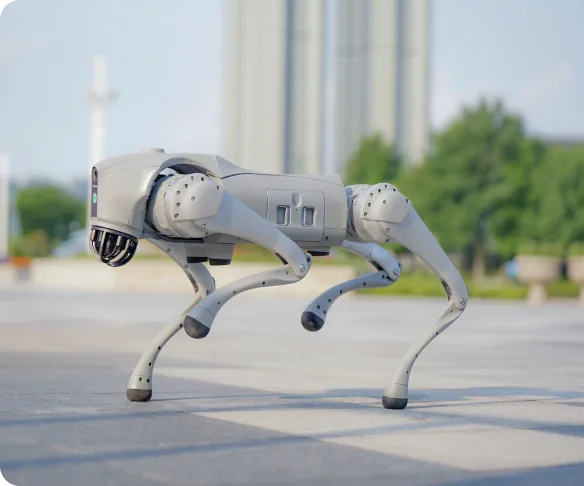
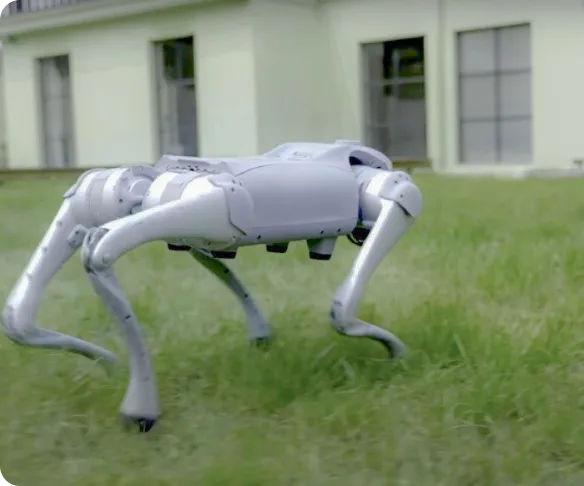
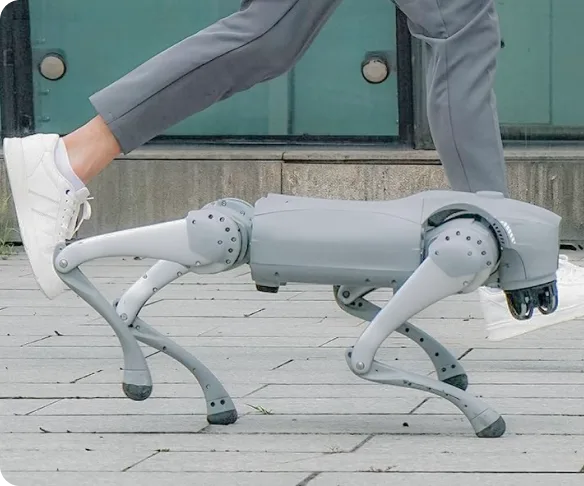
Unlike traditional security tools, quadruped robots offer mobility and autonomy in complex environments. They can move through crowds, navigate uneven terrain, and operate continuously without fatigue.
In practical terms, these robots can:
- patrol designated zones around stadiums
- monitor suspicious activity using cameras and sensors
- provide real-time data to command centers
- assist in perimeter security and restricted areas
These capabilities are why many agencies are exploring robotic systems. For organizations evaluating a robot guard dog for sale, the focus is not just on novelty, but on consistent, scalable performance.
The Technology Behind Modern Security Robots
The effectiveness of robotic policing systems depends on several advanced technologies working together.
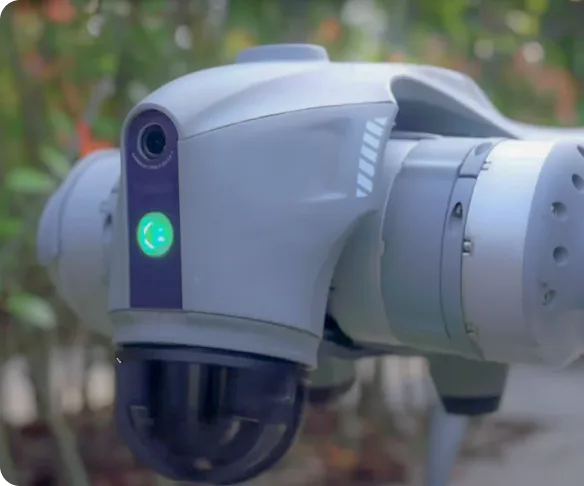
Perception systems allow robots to understand their surroundings. Cameras, thermal imaging, and LiDAR sensors provide continuous environmental awareness. This enables robots to detect movement, identify objects, and navigate safely.
Motion control systems ensure stability and mobility. Advanced actuators allow robots to walk, turn, and adjust to terrain changes without losing balance.
AI decision-making systems process incoming data and determine actions. While human oversight remains essential, these systems can automate routine monitoring tasks.
Together, these technologies transform robots from passive tools into active participants in modern security robots ecosystems.
Why 2026 Marks an Inflection Point
Several trends are converging to accelerate adoption.
Artificial intelligence models have improved dramatically in visual recognition and real-time processing. Hardware components such as sensors and actuators are becoming more efficient and affordable. At the same time, demand for scalable security solutions is increasing.
Large-scale deployments like the World Cup create visibility and validation. When governments adopt new technology, it signals readiness for broader implementation.
For US-based organizations, this raises an important consideration. Systems tested internationally often become reference models for domestic adoption. The rise of robot dog law enforcement abroad could influence how cities, private security firms, and enterprises approach safety in the near future.


Comments are closed for this post.