The Broader Trend Behind Robot Dogs
The Canton Fair demo reflects a wider industry trend. Legged robots are moving from research labs into operational roles.
Advances in AI perception, edge computing, and actuator design have lowered costs and improved reliability. At the same time, demand for autonomous inspection has increased.
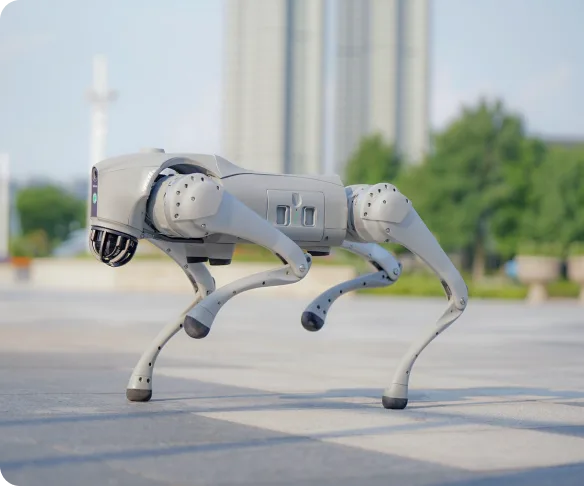
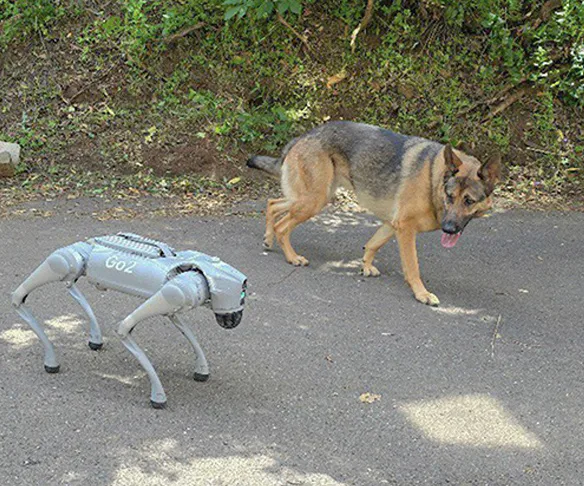
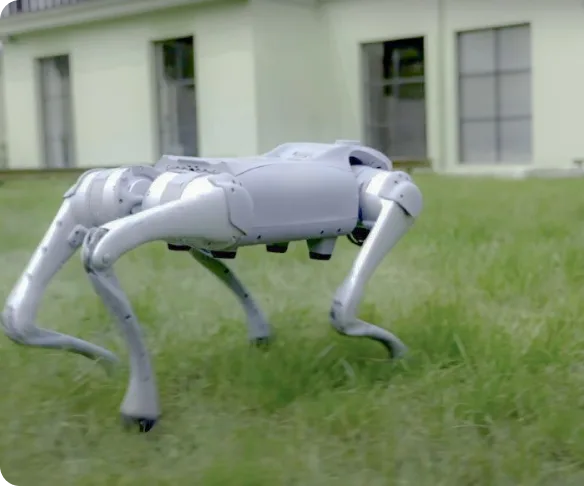
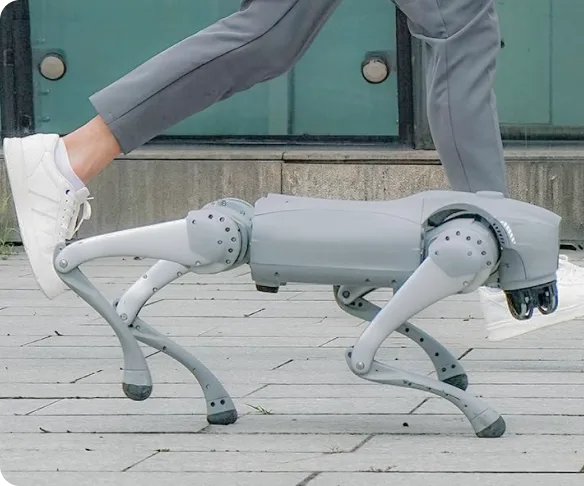
This is where platforms inspired by systems like the unitree robot dog category have accelerated adoption. Buyers now expect stable movement, real autonomy, and integration support.
How Toborlife Moves Robot Dogs from Concept to Daily Use
As interest in patrol robots grows, buyers are looking past trade show moments and focusing on systems that work in daily operations.
This is where Toborlife AI takes a different path. The focus stays on real deployment instead of one off demonstrations.
The company’s robot platforms are designed for inspection, research, and security environments. Priority is given to sensor reliability, modular upgrades, and long term operational support.
For teams evaluating robot dogs for real world use, Toborlife solutions align closely with how the market is moving. Home and light duty platforms like the Tobor Home Dog quietly reflect this approach by blending autonomous capability with practical usability.
Why teams look at Toborlife platforms:
- Deployment-focused design – Built for daily operation in real environments, not controlled demos
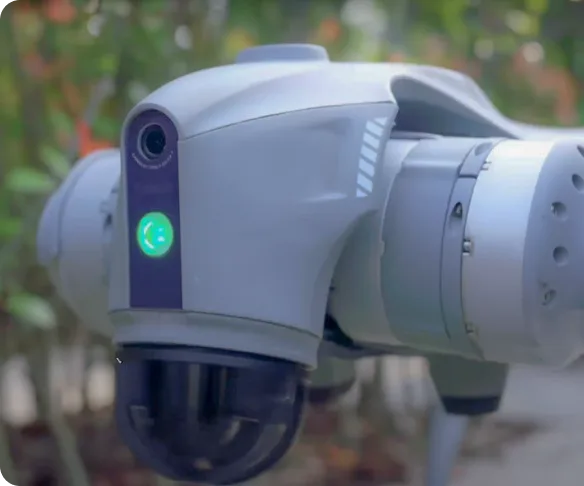
- Reliable perception systems – Sensors tuned for consistent performance across lighting and terrain changes
- Modular hardware structure – Easier upgrades without replacing the full robot
- Use case flexibility – Supports inspection, security, and companion-style monitoring
- Accessible entry models – Options like the Tobor Home Dog lower the barrier for early adoption
Robot Dogs are Stepping Into Real Workflows Now
The idea of a robot dog companion has evolved. In 2026, it no longer means novelty interaction alone.
It now includes autonomous patrol, inspection, monitoring, and reporting. These robots work alongside human teams. They extend coverage. They reduce fatigue. They operate in unsafe areas.
This shift is changing how companies think about security and maintenance.
Technical Building Blocks Behind Modern Patrol Robot Dogs
Several technical advances made the Canton Fair demo possible.
Edge AI allows real-time decision-making without constant cloud dependence. Improved batteries support longer patrol cycles. Better joint design reduces wear and maintenance needs.
Software frameworks now support rapid updates and task customization. This means one robot platform can serve multiple industries with minimal changes.
These are the same foundations Toborlife AI builds on across its robotics lineup.
Why Buyers Should Look Beyond The Demo
A successful demo is only the first step.
Buyers should evaluate how a robot integrates into existing systems. How alerts are handled. How maintenance works. How software updates are delivered.
Platforms available through Toborlife AI are designed with these realities in mind. This helps teams move faster from testing to deployment.
Takeaway
The intelligent patrol robot dog at the Canton Fair did more than attract attention. It showed how far-legged robotics has come.
Stable motion. Reliable perception. Real autonomy. Practical interaction.
These capabilities are no longer rare. They are becoming expected.
For organizations exploring patrol and inspection robots in 2026, the smartest move is to focus on platforms built for real environments.
Contact Toborlife AI to explore robot dog solutions that are ready for deployment and aligned with where the industry is heading next.


Comments are closed for this post.