Price Compression and Availability Take Center Stage
As production scales, pricing becomes a major factor.
Early humanoid robots were expensive due to limited production and high development costs. That dynamic is changing.
With factories producing at higher volumes:
- Component costs decrease
- Assembly becomes more efficient
- Supply chains stabilize
This leads to gradual price compression.
For buyers, this creates new opportunities. Robotics becomes more accessible, and investment decisions become easier to justify.
The focus shifts from “Can we afford this?” to “How can we use this effectively?”
The Role of Key Industry Players
China’s robotics ecosystem includes multiple companies working toward scale.
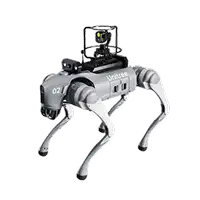
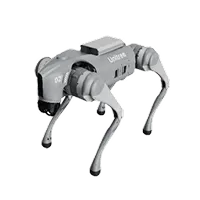
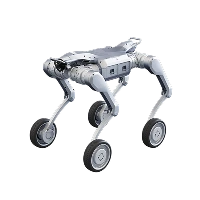
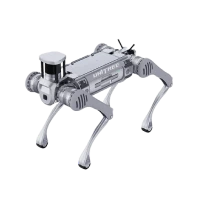
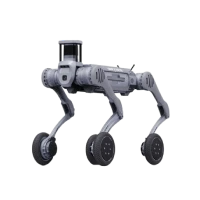
Companies like Unitree Robotics and AgiBot are pushing production capacity and refining their product lines.
Each player brings a different focus:
- Mobility and performance
- Manufacturing efficiency
- AI integration
This competitive environment accelerates innovation.
It also ensures that the market continues to evolve rapidly.
Where Challenges Still Exist
Despite rapid progress, humanoid robotics is still evolving. As the industry moves toward large-scale deployment, several technical and operational limitations continue to shape how these systems are adopted.
1. AI Adaptability Remains a Key Limitation
Humanoid robots perform well in controlled environments, but real-world settings introduce unpredictability. Variations in lighting, obstacles, and human behavior can affect performance. Improving how robots understand and respond to dynamic environments remains a major focus area.
2. Complex Task Execution Requires Further Development
While robots can handle structured and repetitive tasks, more advanced activities still depend on ongoing software improvements. Tasks that involve decision-making, precision, and adaptability require stronger AI models and better coordination between hardware and software systems.
3. Integration Into Existing Workflows Takes Time
Adopting humanoid robots is not just about deploying hardware. Businesses need to adjust their processes, train teams, and redesign workflows to fully benefit from automation. This transition can take time and requires careful planning.
These challenges are part of the natural progression of any emerging technology. As development continues and more real-world data becomes available, these limitations are expected to improve, supporting broader adoption across industries.
Toborlife AI: Turning Robotics Interest Into Real Deployment
Toborlife AI sits right at the point where curiosity turns into real action. As humanoid robots move into mass production, the real advantage is not just knowing about the technology, but actually working with it early.
Businesses and developers today have the opportunity to step into this shift without waiting. Getting hands-on with current humanoid systems allows teams to understand performance, test real use cases, and build confidence before robotics becomes a standard layer in operations.
- Access to humanoid robots that reflect what is being deployed in today’s market
- Ability to test and experiment with real systems in practical environments
- Faster learning curve by working directly with hardware and software together
- Clear understanding of how robots fit into existing workflows
- Reduced uncertainty when planning long-term robotics adoption
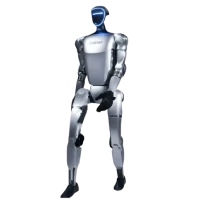
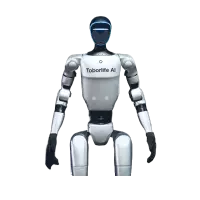
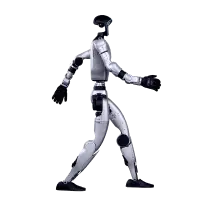
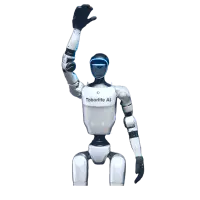
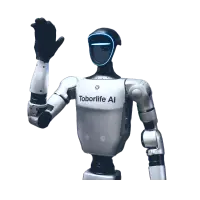
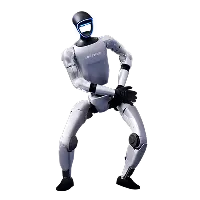
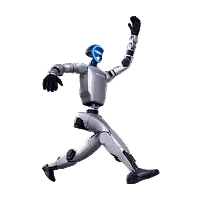
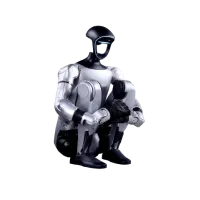
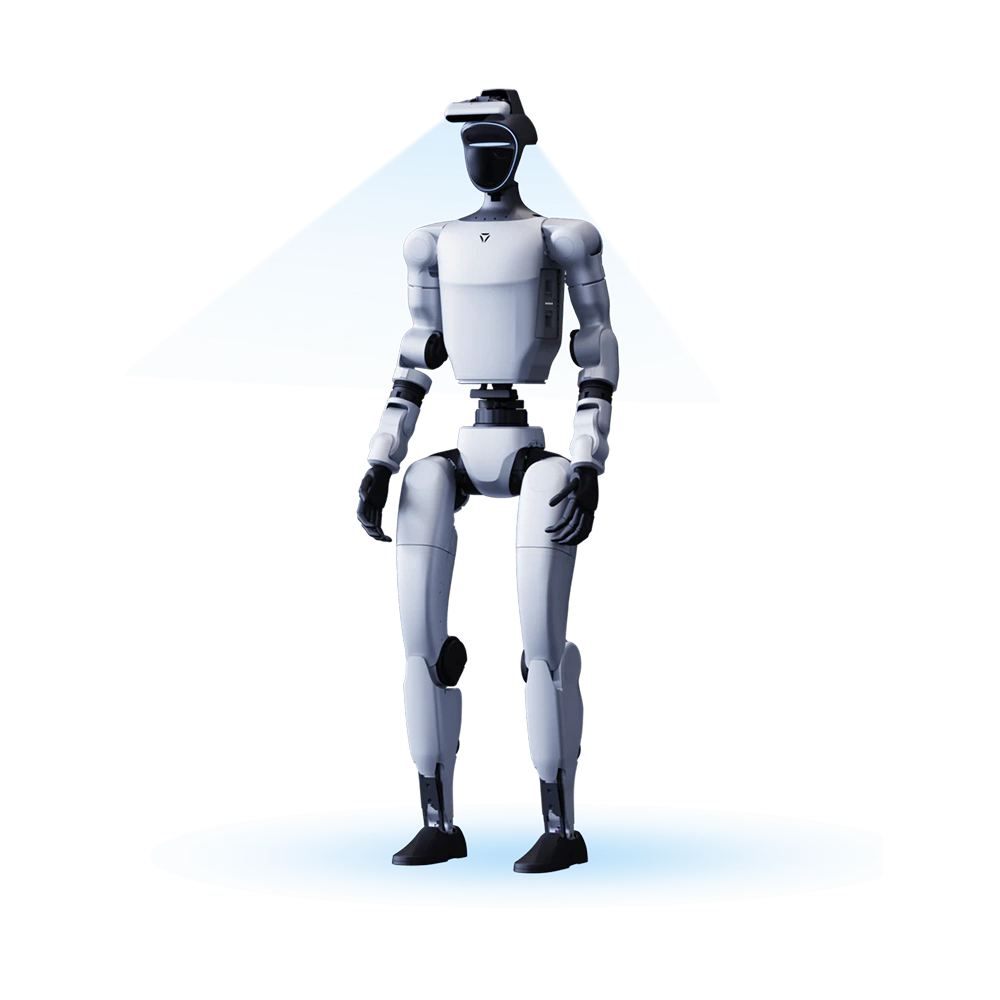
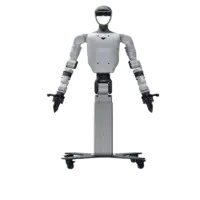
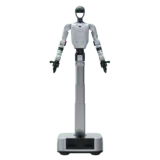
For teams looking to move forward, platforms like the H2 humanoid robot provide a practical entry point into this evolving space. As demand increases, working with a reliable unitree h2 robot distributor becomes more important, and Toborlife AI offers a simple path to access and start building these systems.
What This Means for Businesses Right Now
The shift to mass production changes how businesses approach robotics.
Immediate opportunities:
- Pilot robotics programs in controlled environments
- Test integration with existing workflows
- Train teams on new systems
- Build internal expertise
Companies that act early gain valuable experience.
They are better prepared as robotics becomes more widespread.
The Bigger Shift: Robotics as Infrastructure
Humanoid robots are moving toward becoming part of operational infrastructure.
This shift includes:
- Integration into manufacturing systems
- Use in logistics and warehousing
- Expansion into service industries
As production scales, these applications become more practical.
The focus is no longer on experimentation. It is on execution.
Closing Perspective
China’s move into mass production marks a defining moment for humanoid robotics.
Producing robots every 30 minutes is not just a technical achievement. It is a signal that the industry is ready for broader deployment.
Platforms like the h2 humanoid robot are part of this transition. They represent the shift from innovation to accessibility.
As pricing improves and availability increases, robotics will become a standard tool across industries.
For organizations ready to move forward, working with Toborlife AI can help turn these trends into real-world solutions. Talk to our experts today to explore the right humanoid robot for your needs and take the first step toward real deployment.



Comments are closed for this post.