How G1, R1, and H2 Fit Into the Current Wave
Not every humanoid buyer needs the same robot.
That is why product selection matters.
The Unitree G1 category is especially interesting for education, development, research, and public-facing demonstrations. It gives users a compact humanoid platform that can support exploration around motion, AI interaction, and robotics learning.
R1-style humanoids may appeal to buyers looking for a more accessible entry point into the humanoid category.
H2 represents a larger humanoid direction, especially for users tracking the future of stronger, more advanced physical AI platforms.
Together, these systems reflect a broader shift happening across robotics. The market is no longer one-size-fits-all.
Some buyers are looking for a more accessible entry point into humanoid robotics. Others need developer-focused features for coding, AI testing, and motion experimentation. Event teams may prioritize visual presence and audience engagement, while universities may care more about research potential, education, and hands-on robotics learning. Enterprises may be watching the category from a longer-term perspective, asking which platforms could eventually support industrial or operational workflows.
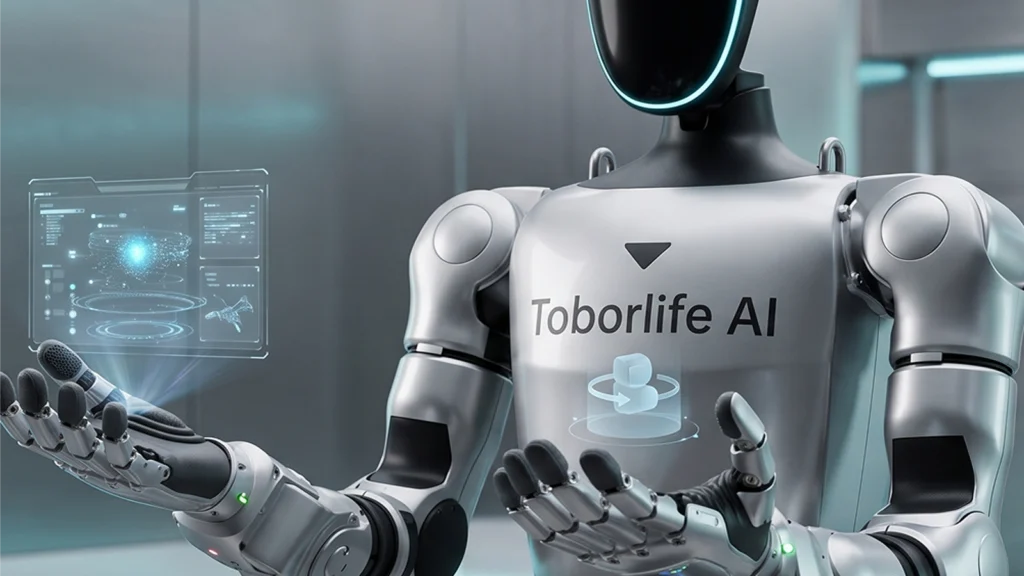
This is why Toborlife AI’s role is not just to sell robots. It is to help customers understand which robot actually fits their goals, whether they are exploring humanoids for education, research, events, demonstrations, or future physical AI development.
Why Unitree G1 Teleoperation Is Especially Relevant
Among all humanoid categories, Unitree G1 teleoperation continues to attract attention because the G1 sits near the center of several trends at once.
The G1 category is gaining attention because it sits at the center of several robotics trends at once. It is visible in viral robotics media, relevant to education and research, and increasingly recognizable in public-facing demonstrations.
For businesses, that makes G1-style humanoid robots feel less abstract. They offer a tangible way to explore humanoid robotics today, without waiting for the entire industry to reach full autonomy or large-scale deployment maturity.
For many buyers, the G1 category feels like a practical gateway into humanoid robotics. It is advanced enough to create a strong impression, but still approachable for teams exploring education, research, events, demonstrations, and early physical AI workflows. It is advanced enough to be compelling, while still approachable for teams that want a practical entry point into humanoid robotics. That combination matters.
The first wave of humanoid adoption may not be dominated by fully autonomous warehouse labor. It may be shaped by education, events, demos, research labs, controlled environments, and human-guided robotics workflows.
The Business Case for Human-in-the-Loop Robotics
A realistic robotics strategy in 2026 should not assume that humanoids will instantly operate independently in every environment.
Instead, businesses should think about humanoid adoption in stages.
The first stage may be simple demonstrations and controlled interactions, where teams use the robot to introduce physical AI in a safe, structured environment. From there, the robot can support educational or research workflows, helping users explore coding, movement, sensors, and human-robot interaction more directly.
As teams become more familiar with the platform, they can begin testing teleoperation, supervised task execution, and human-in-the-loop control. Later stages may involve deeper integration with AI systems, internal tools, or operational environments. More autonomous deployment can come as the software stack matures and the business understands where the robot creates real value.
This staged approach is more practical than waiting for perfect autonomy. It allows companies to start learning now while the technology continues improving.
It allows organizations to learn early, build internal knowledge, and understand how physical AI may eventually fit into their business.
That is especially useful for innovation teams trying to prepare for the next major automation wave.
Why Toborlife AI Is Becoming a Buyer-Facing Robotics Gateway
As humanoid robots become more visible, buyers need more than headlines.
They need product clarity.
They need to understand what is available, what is realistic, and what kind of platform fits their use case. They also need a U.S.-facing source that can help translate robotics momentum into actionable purchasing decisions.
That is where Toborlife AI is building value.
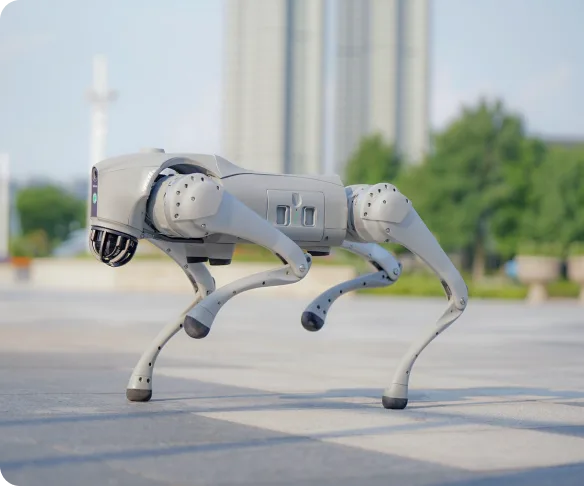
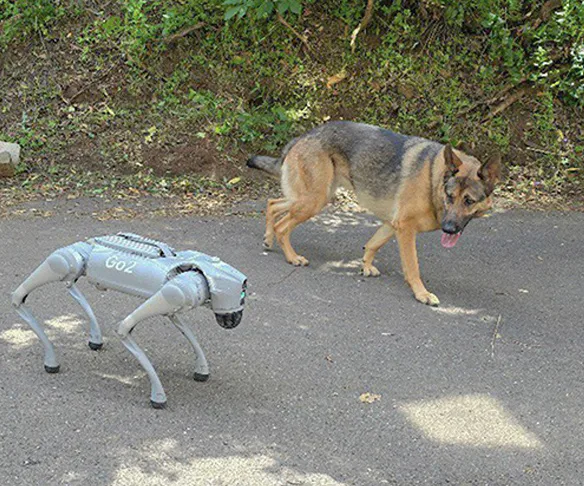
The company helps buyers explore Unitree-powered humanoid robots and robot dogs across categories such as:
- AI mobility systems: Robots designed to move through real-world environments, helping users explore navigation, balance, terrain adaptation, and autonomous movement.
- Humanoid robotics: Human-shaped robots that support education, demonstrations, interaction studies, and early physical AI development.
- Educational robotics: Platforms that help students, schools, and training programs learn coding, robotics engineering, AI control, and human-machine interaction.
- Event robotics: Robots used for trade shows, brand activations, product launches, and live demonstrations where visual impact and audience engagement matter.
- Research platforms: Robotics systems that give developers, universities, and labs a hands-on way to test motion control, sensors, teleoperation, and AI workflows.
- Physical AI demos: Live demonstrations that make artificial intelligence visible through real robot movement, interaction, and environmental response.
- Emerging automation technologies: Next-generation robotics tools that help businesses understand how automation may evolve across operations, education, security, and customer engagement.
Toborlife has also covered broader humanoid market momentum in articles such as Unitree H2 Robot vs Unitree G1 Robot Comparison 2026, which gives buyers another way to understand how different humanoid platforms fit into the 2026 robotics landscape.
What the IPO Momentum Signals for 2026
Unitree’s IPO story signals that humanoid robotics is entering a more serious business phase.
The industry is still early, and the technology is still evolving. Technical challenges remain around dexterity, autonomy, safety, cost, and real-world reliability. Buyer interest is also expanding as more organizations look beyond software AI and begin exploring physical AI platforms that can support education, demos, research, and future automation planning.
But that is exactly what happens when a technology category starts moving from experimental hype into market formation. The important point is not that humanoid robots can already do everything. The important point is that buyers are now actively exploring where they fit, which use cases make sense today, and how these platforms could become part of their long-term physical AI strategy.
That exploration is happening across schools, labs, businesses, entertainment companies, events, and AI teams. Human-in-the-loop workflows, XR interfaces, teleoperation systems, and developer-friendly platforms will likely play a major role in this transition.
The future of humanoid robotics will not be built through autonomy alone.
It will be built through the relationship between people, robots, data, and intelligent control systems.
Final Thoughts
Unitree-powered humanoid robots are suddenly everywhere because the market is ready for something more tangible than AI software alone.
Businesses want to see physical AI in the real world. Universities want platforms for learning and research. Event teams want technology that captures attention. Developers want hardware that can help them experiment with the next generation of robotics.
Unitree’s IPO momentum, rising global visibility, and growing public attention all point toward the same conclusion: humanoid robotics is becoming one of the defining technology categories of 2026.
For buyers ready to explore what this means practically, Toborlife AI offers access to Unitree-powered humanoid robots and guidance for selecting the right platform. Visit Toborlife AI or contact the Toborlife AI team to learn more about humanoid robots, physical AI, and the robotics systems shaping the next wave of automation.

Comments are closed for this post.