Humanoids and Robot Dogs Are Expanding Into Utility Operations
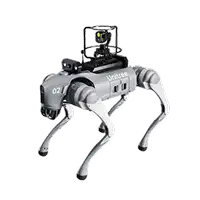
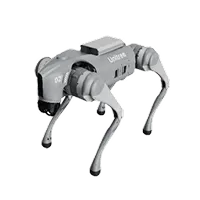
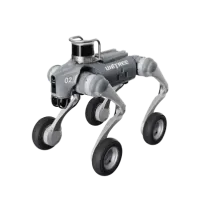
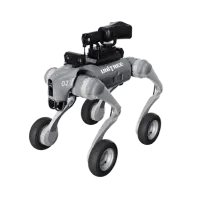
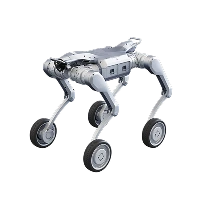
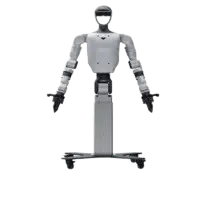
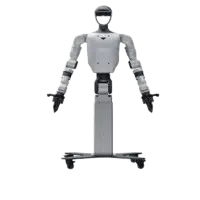
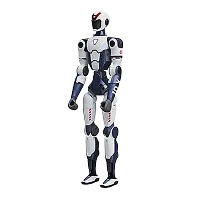
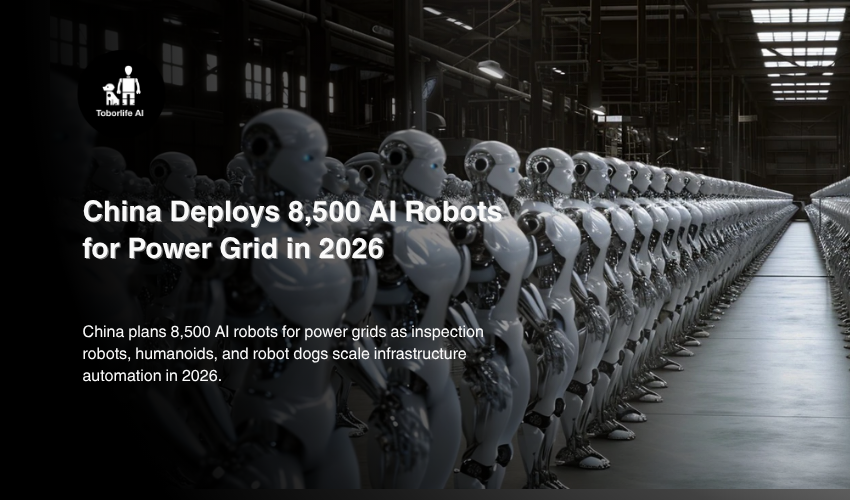
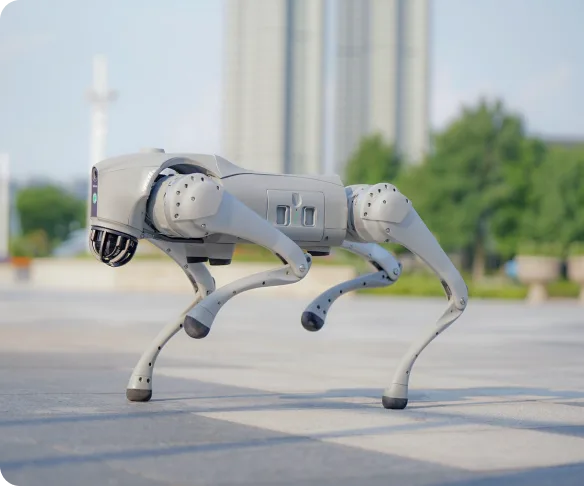
The deployment plan reportedly includes quadruped robots and humanoid systems from companies like Unitree Robotics, UBTech Robotics, and Fourier Intelligence.
That combination is important because different robot types solve different operational problems.
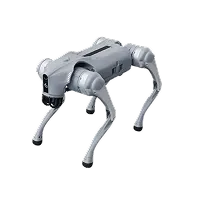
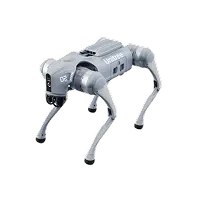
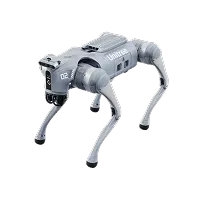
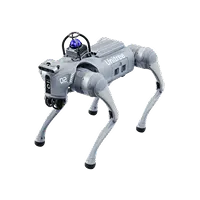
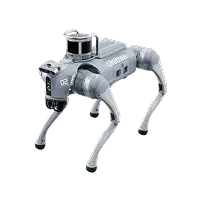
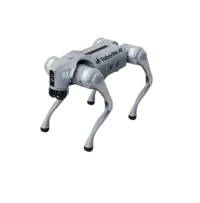
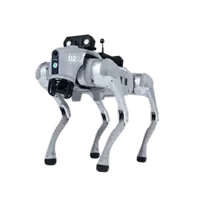
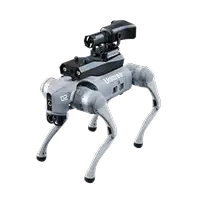
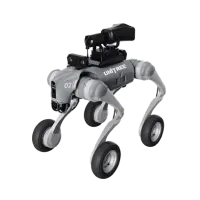
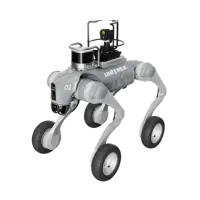
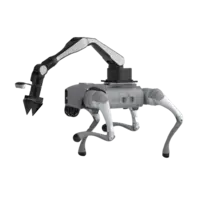
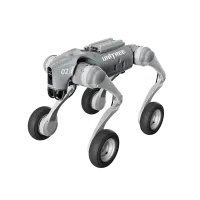
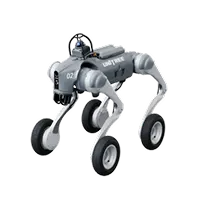
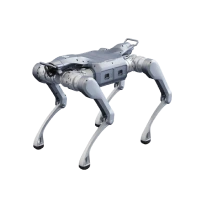
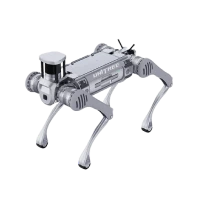
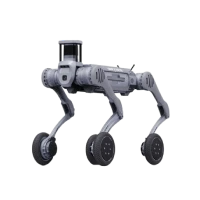
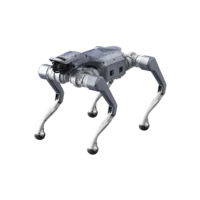
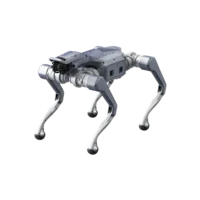
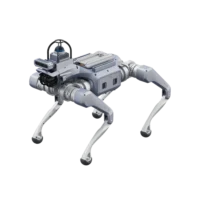
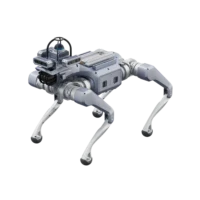
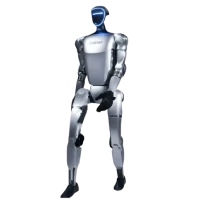
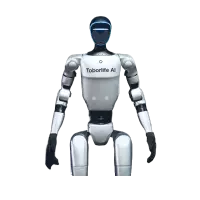
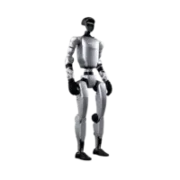
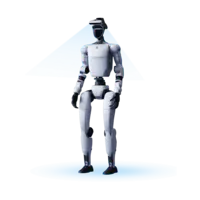
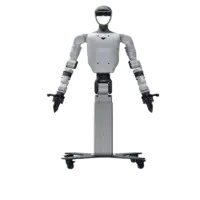
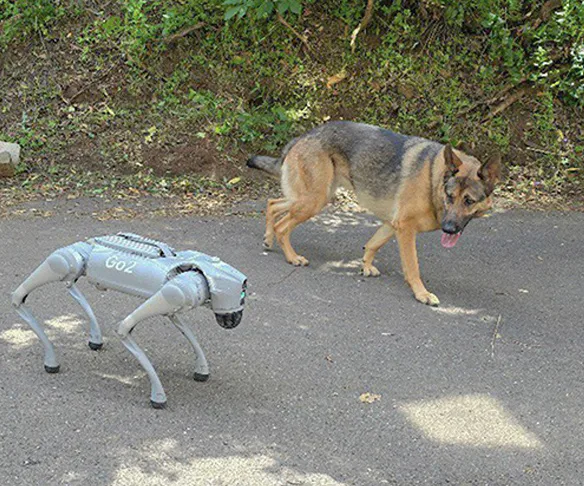
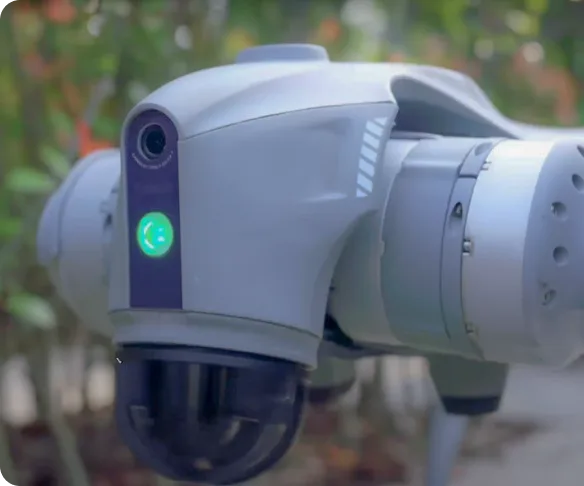
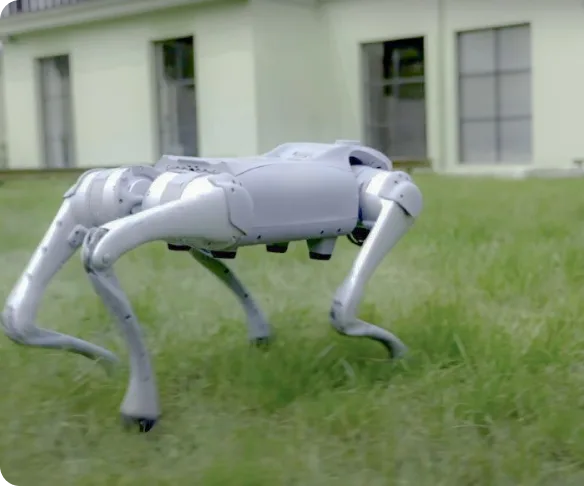
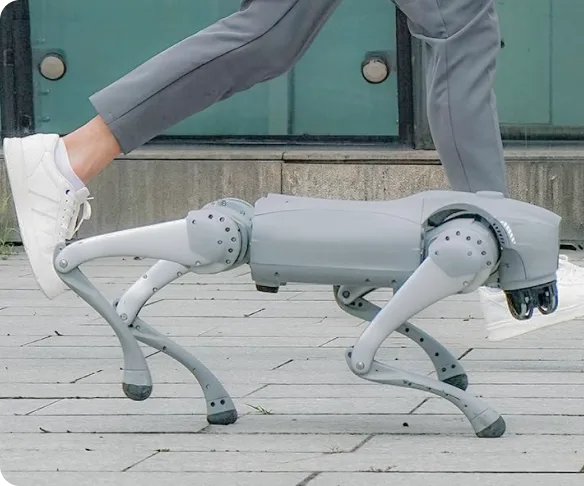
Quadruped robots excel in rough terrain, outdoor inspection, and difficult mobility conditions. Humanoids, meanwhile, can interact more naturally with tools, industrial controls, and human-designed environments.
This hybrid robotics model is becoming increasingly common across infrastructure automation strategies.
The same robotics technologies powering industrial deployments are also accelerating growth in areas like:
- Logistics automation
- Industrial maintenance
- AI security systems
- Remote facility monitoring
- Commercial robotics patrol operations
That overlap is also driving attention toward categories such as autonomous security robots, which continue expanding across enterprise and infrastructure sectors.
Why Infrastructure Robotics Is Becoming a Massive Investment Category
Physical AI is entering the same type of investment cycle that cloud computing and generative AI experienced during earlier growth phases.
The difference is that infrastructure robotics combines software, hardware, energy systems, and real-world automation into a single operational stack.
That creates long-term demand for:
- Fleet Management Software: Thousands of robots require centralized AI coordination systems.
- Edge AI Compute: Infrastructure robots must process data locally in real time.
- Battery and Charging Ecosystems: Persistent robotic operations depend on scalable energy management systems.
- Sensor Integration: Thermal imaging, LiDAR, and advanced perception systems are becoming standard across industrial robots.
China’s Deployment Strategy Could Influence Global Robotics Policy
The scale of the project is especially important from a geopolitical perspective.
Countries globally are now competing across several AI categories simultaneously:
- Semiconductor infrastructure
- Large language models
- Autonomous systems
- Robotics manufacturing
- Embodied AI
China’s robotics expansion suggests infrastructure automation may become one of the next major competitive technology sectors.
The deployment of thousands of AI robots across power grid systems creates large-scale real-world training environments for robotics companies. That operational data becomes extremely valuable over time because it improves navigation, predictive maintenance, and autonomous coordination systems.
This is one reason governments are increasingly paying attention to robotics supply chains and domestic automation capabilities.
Toborlife AI Is Seeing Growing Interest in Infrastructure Robotics
As industrial robotics adoption accelerates, more developers, automation teams, and robotics enthusiasts are exploring advanced AI-driven machines capable of operating in real-world environments.
Robotics technologies associated with humanoids, quadrupeds, and autonomous inspection systems are gaining visibility across Toborlife AI, and we continue seeing stronger interest in infrastructure automation as physical AI expands into large-scale industrial operations.
The growing interest extends across multiple robotics categories:
- Humanoid robots
- Quadruped robotics
- AI inspection systems
- Educational robotics
- Autonomous mobility platforms
Many of these systems are now being explored for industrial research, infrastructure testing, remote operations, and next-generation AI workflows.
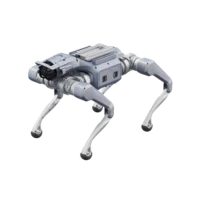
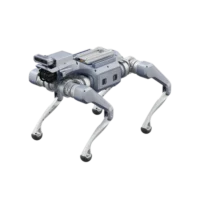
Developers and enterprises following the rapid evolution of physical AI are also exploring robotics systems like the Unitree G1, AI-powered quadrupeds, and security-focused robots such as the HomeDog Pro available at Toborlife.ai’s Robotics Collection as interest in infrastructure automation and real-world robotics deployment continues growing in 2026.
The Security Robotics Market Is Expanding Alongside Infrastructure AI
Another interesting trend emerging from projects like this is the growing overlap between utility robotics and AI-powered security systems.
Robots designed for inspection and monitoring can often perform security-oriented tasks as well. That includes perimeter patrol, anomaly detection, and remote site surveillance.
As a result, robotics categories are beginning to merge together across commercial environments.
This includes:
- Robots continuously monitor equipment health and operational stability.
- Robotic systems navigate industrial environments independently.
- AI systems provide centralized visibility across large facilities.
This convergence is helping fuel demand for robotics technologies like parking lot security robot systems and broader commercial automation deployments.
The Robotics Infrastructure Race Is Just Getting Started
China’s planned deployment of 8,500 AI robots may ultimately become one of the defining infrastructure stories of 2026.
The project demonstrates how quickly robotics is moving beyond warehouses and manufacturing lines into large-scale national operations. It also shows how governments are beginning to view physical AI as a strategic technology layer for long-term infrastructure resilience.
For the robotics industry, the implications are massive.
The next phase of AI competition may no longer happen only inside data centers. Increasingly, it may happen directly in the physical world.
Teams interested in emerging humanoid robotics, autonomous inspection technologies, and next-generation AI systems can also connect with the specialists at Toborlife AI to explore the latest developments shaping physical AI and infrastructure automation in 2026.


Comments are closed for this post.