Why Quadrupeds Fit Energy Sites Better Than Many Other Formats
Energy sites were never designed with robots in mind.
They are complex, uneven, and constantly changing environments where human movement still defines how work gets done. That is exactly why mobility becomes the first real challenge for any robot entering this space.
1. Optimized for Irregular, Real-World Terrain
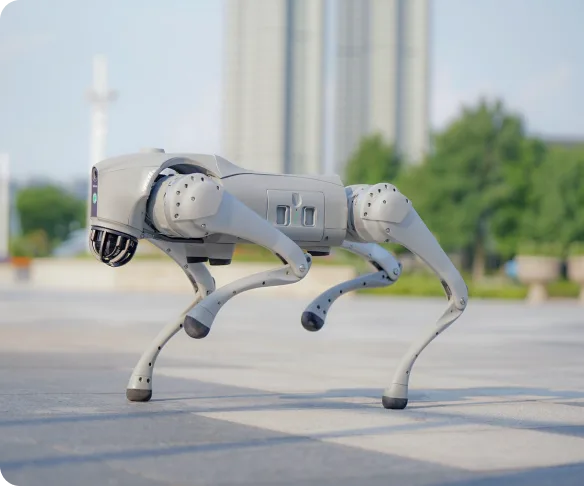
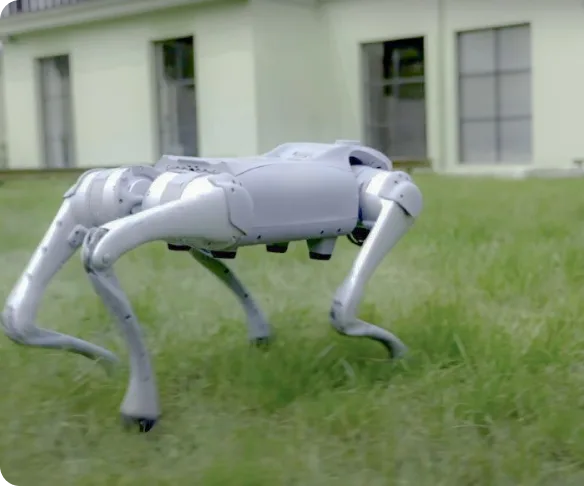
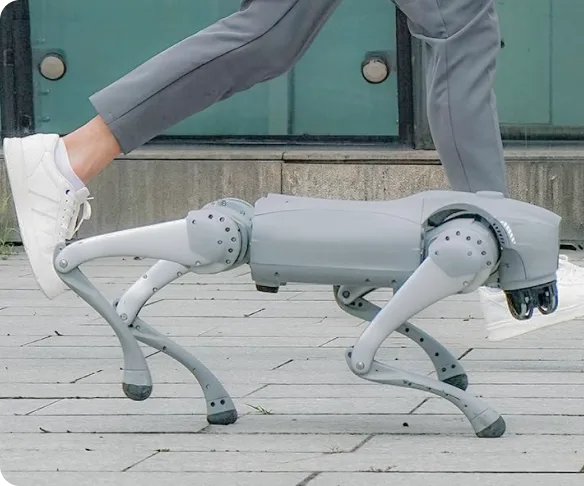
Substations and utility zones include ramps, gravel paths, cable corridors, and tight equipment layouts. Quadrupeds handle these transitions more smoothly than fixed or wheel-only systems, making them easier to deploy without redesigning the environment.
2. Mobility That Matches Human Access Routes
These robots can move through the same routes used by technicians and inspection teams. That reduces friction during deployment and allows them to integrate into existing workflows instead of requiring new infrastructure.
3. From Home Security to Industrial Relevance
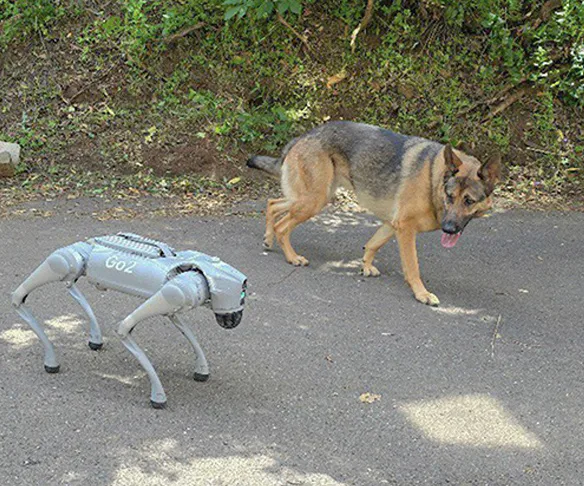
The idea behind a robot dog for home security is now extending into much larger environments. The same mobility and sensing advantages scale into industrial settings, where monitoring, inspection, and patrol tasks demand more flexibility.
The Security Layer Is Becoming More Autonomous
One of the strongest shifts happening in robotics right now is the merging of inspection and security into the same mobile platform.
That is exactly what this Macau deployment reflects.
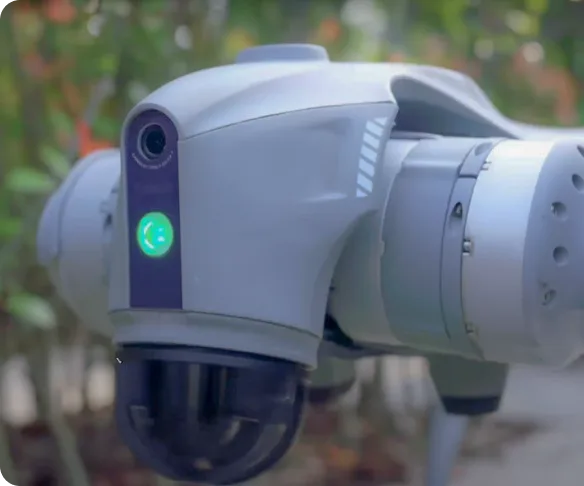
The robot is not only checking equipment temperature, it is also to verify human presence and site access. In other words, it is operating across two traditionally separate workflows:
- technical infrastructure inspection
- physical site security
That is a much more efficient robotics model.
Instead of deploying one system for surveillance and another for equipment monitoring, operators can increasingly use a single mobile robot as a roaming sensor platform. That is where security robots are becoming much more attractive to infrastructure operators, campuses, industrial sites, and utility providers.
The more these functions converge, the more deployable the category becomes.
Macau Is Offering a Preview of a Bigger Utility Robotics Trend
One of the most revealing lines in the source is that Macau’s utility operator may expand the use of these robots if the tests continue to go well. The company also suggested future use cases could include power plants and even street-level deployment. Macau’s transmission network reportedly includes 29 high-voltage substations, giving this test real scale potential if adoption expands.
That is where this gets interesting for the wider market.
Because once one robot proves useful in one substation, the next conversation becomes obvious: How many more sites could use the same system?
That is how deployment categories grow.
The first robot proves value. The next few prove repeatability. After that, robotics stops being a pilot and starts becoming a budget line.
Toborlife AI and the Move Toward Real Deployment
As more real-world deployments start showing up, buyers need more than trend coverage and industry headlines. They need access to actual robots that can be reviewed, compared, and matched to practical use cases.
For teams looking at quadrupeds for security, inspection, or infrastructure operations, the focus is now shifting toward deployment readiness. That means comparing mobility types, sensing options, and platform configurations that already align with patrol and monitoring needs.
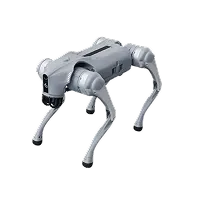
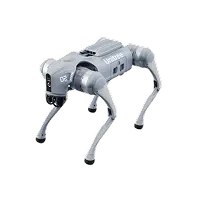
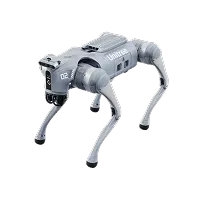
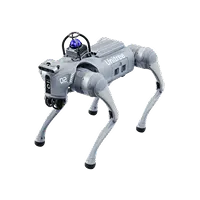
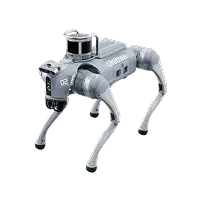
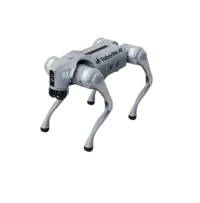
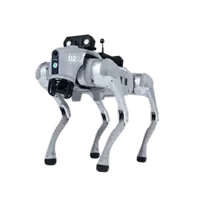
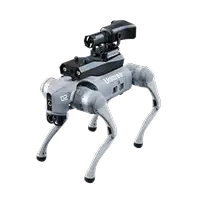
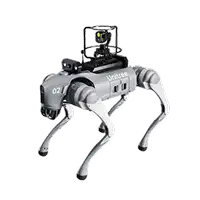
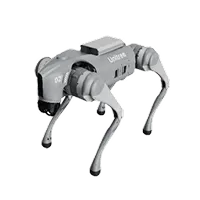
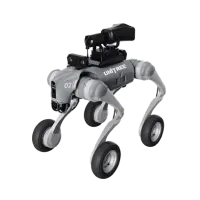
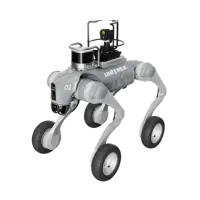
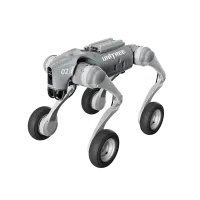
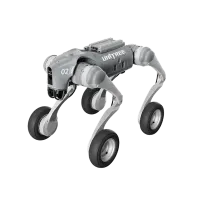
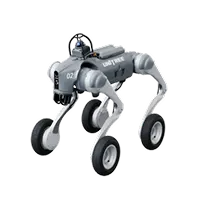
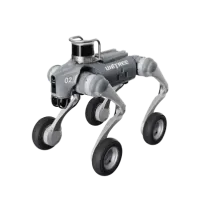
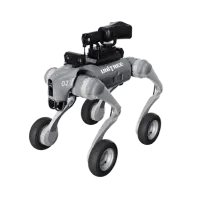
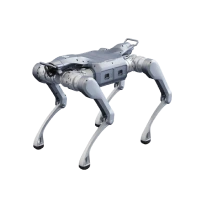
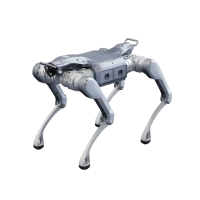
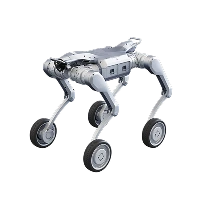
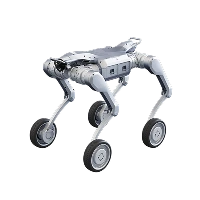
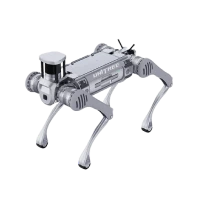
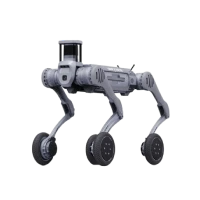
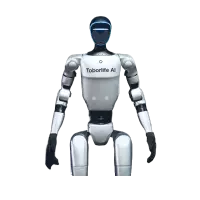
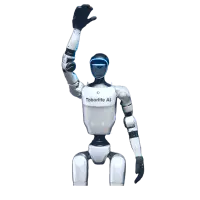
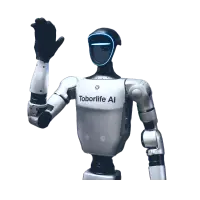
Toborlife AI helps make that process more direct by offering access to quadruped robots like Go2 X and B2-W suited to this broader move toward infrastructure robotics. Instead of staying at the idea stage, buyers can start evaluating real options based on how they may fit into site operations.
If your team is exploring robotic patrol or industrial monitoring, reviewing the available robot lineup on Toborlife AI is a useful next step. And if you are assessing how a mobile robot could fit into your workflow, our experts offer a more direct path into planning and product discussions.
The Bigger Takeaway
The Macau substation deployment is a small story on the surface. But it points to a much larger shift underneath.
Energy infrastructure operators are beginning to test robots not just for visibility or automation, but for continuous operational support. When a quadruped can monitor temperatures, patrol a site, and support security checks in the same environment, it starts to become much easier to justify.
That is why this moment feels important.
Because the next phase of robotics will not only be shaped by labs, trade shows, or viral demos. It will be shaped by where these systems quietly start proving useful in the real world.
And as robotics moves deeper into infrastructure environments, Toborlife AI becomes more useful for buyers comparing practical robot options.



Comments are closed for this post.