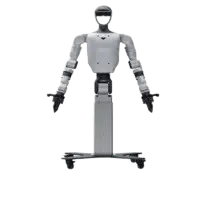
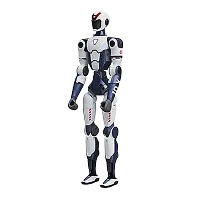
The R1 Could Become the “Entry Point” for Humanoid Robotics
For years, humanoid robots existed in a category that felt distant for most buyers.
Prices were high. Access was limited. Most systems were designed primarily for research institutions, industrial testing, or specialized enterprise deployment.
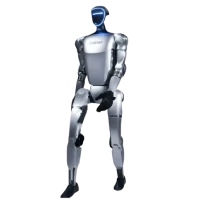
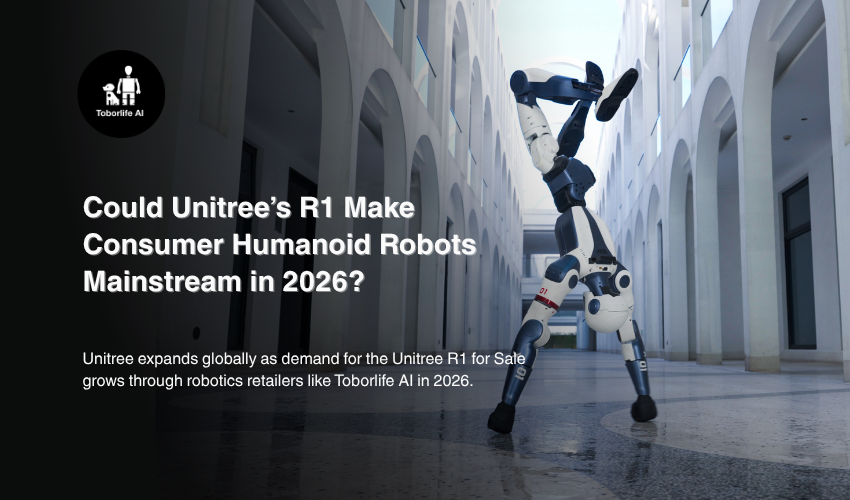
The R1 appears positioned differently.
Reports suggest Unitree is targeting a lower-cost strategy designed to dramatically expand access to humanoid robotics. Pricing estimates discussed in coverage around the launch indicate the robot could land far below traditional humanoid pricing ranges, making it more accessible to developers, robotics enthusiasts, educational programs, and smaller AI startups.
That changes the market dynamic significantly.
Instead of humanoids existing only inside advanced robotics labs, they may soon become available to:
- Robotics creators
- University engineering teams
- AI developers
- Educational institutions
- Automation enthusiasts
- Startup founders
- Consumer robotics adopters
Why AliExpress Distribution Changes the Robotics Industry
The distribution strategy itself may be one of the most important parts of this story.
AliExpress is already globally recognized for accessible hardware distribution, international shipping, and large-scale consumer product reach. Bringing humanoid robots into that ecosystem creates an entirely different level of visibility for robotics technology.
The shift matters because distribution has historically been one of the biggest barriers in robotics adoption.
Traditional robotics purchasing often involves:
- Enterprise contracts
- Long procurement cycles
- Specialized distributors
- Regional limitations
- Technical sales channels
Moving humanoid robots toward e-commerce availability changes the customer journey completely.
A developer in one country could potentially access advanced robotics hardware almost as easily as purchasing consumer electronics online.
That is a major shift for the robotics ecosystem.
The Consumer Humanoid Race Is Starting to Heat Up
The R1 launch conversation also signals how competitive the humanoid robotics market is becoming.
Over the last two years, robotics companies focused heavily on high-end demonstrations and enterprise deployments. In 2026, the market conversation is starting to include affordability, accessibility, and ecosystem growth.
This creates a much broader adoption funnel.
1. Developers Want Accessible Robotics Hardware
Lower pricing allows more experimentation in robotics programming and AI mobility systems.
2. Universities Need Practical Learning Systems
Educational programs are increasingly exploring hands-on robotics environments.
3. Startups Want Faster Prototyping
Affordable humanoids create new opportunities for software and automation testing.
4. Consumer Curiosity Is Growing
Public interest around humanoid robotics has increased dramatically due to viral robotics videos and AI trends.
The R1 Is Also Expanding the Definition of Robotics Buyers
One fascinating aspect of the R1 story is how it broadens the idea of who actually buys robots.
The robotics industry historically focused on industrial automation customers. Now the audience is becoming much more diverse.
Potential buyers now include:
- Independent developers
- Content creators
- Robotics hobbyists
- STEM schools
- AI researchers
- Innovation labs
- Small businesses
This expansion matters because larger buyer communities accelerate software ecosystems, third-party development, robotics education, and public familiarity with humanoid systems.
The more people interact with robotics technology directly, the faster the ecosystem evolves.


Comments are closed for this post.