Japan’s Airport Robotics Experiment Is Much Bigger Than Baggage Handling
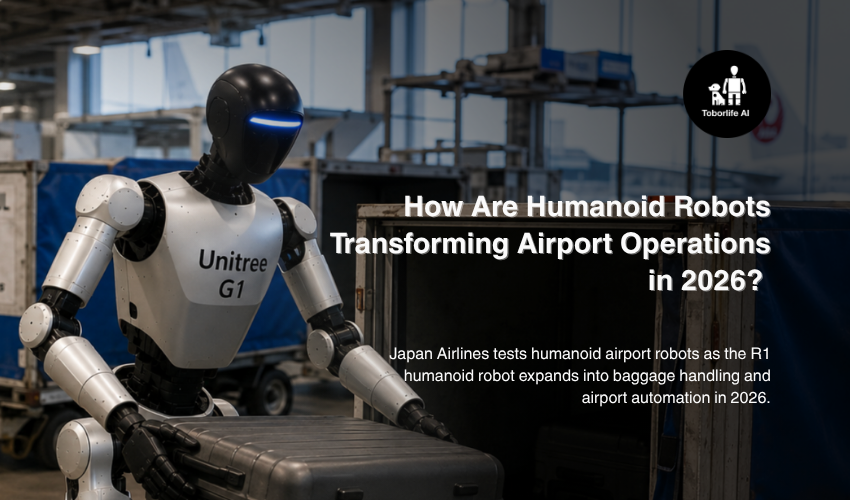
At first glance, the story sounds simple. Humanoid robots helping move luggage across airport terminals.
In reality, this pilot reflects a much larger shift happening across global infrastructure systems.
Airports are among the most operationally complex environments in the world. Ground crews work under tight schedules, heavy physical strain, weather pressure, and nonstop logistical coordination. Staffing shortages only increase those challenges.
Japan is facing an especially difficult workforce situation because of an aging population and rising tourism demand. That combination is pushing industries to accelerate automation strategies much faster than before.
The Haneda Airport pilot shows how humanoid robotics is starting to move into environments that require:
- Continuous operation
- Human collaboration
- Real-time mobility
- Physical lifting tasks
- Dynamic navigation
- Fast situational response
Why Haneda Airport Became a Robotics Testing Ground
Tokyo’s Haneda Airport is one of the busiest airports in Asia. That makes it an ideal environment for testing advanced robotics systems under real operational pressure.
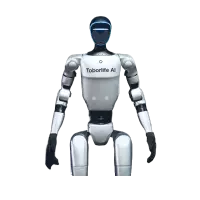
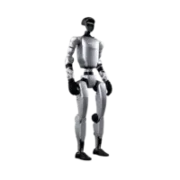
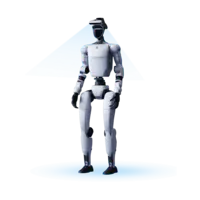
According to reports, the humanoid robots involved in the pilot stand around 130 centimeters tall and feature 43 moving body sections designed for mobility and task coordination. Their runtime reportedly ranges between two and three hours depending on activity levels.
The robots are expected to assist with tasks including:
1. Cargo Movement
Humanoids help transport luggage and cargo materials across operational zones.
2. Cabin Cleaning Support
Airport cleaning teams can use robotics systems to reduce repetitive manual workload.
3. Ground Equipment Operations
Future testing may involve robots operating support machinery around airport infrastructure.
4. Heavy-Lifting Assistance
Humanoid robots may reduce strain on airport workers handling physically demanding tasks.
5. Real-Time Operational Monitoring
The robots may also support airport teams by collecting live operational data during shifts, helping staff monitor workflow efficiency, equipment movement, and activity across busy service zones.
The Airport Industry Is Becoming a Major Robotics Opportunity
For years, robotics adoption focused heavily on manufacturing and warehouses.
Now airports are becoming one of the fastest-growing sectors for intelligent automation.
That shift is happening for several reasons:
- Airports Operate 24/7: Continuous operation creates strong demand for robotics support systems.
- Labor Shortages Are Increasing: Many airport jobs involve repetitive physical work that has become harder to staff consistently.
- Passenger Demand Keeps Growing: Tourism recovery and global travel growth are increasing pressure on airport infrastructure.
- AI Mobility Systems Are Improving: Modern robotics systems now navigate crowded environments more effectively.
Humanoid Robotics Is Entering the Real-World Operations Phase
One major reason the Haneda pilot is gaining global attention is that it moves beyond the “demo stage” of robotics.
For years, humanoid robots mostly appeared in controlled presentations, research labs, or technology showcases. Airports introduce a completely different level of complexity.
Robots must now deal with:
- Moving equipment
- Crowded environments
- Tight operational timing
- Human coordination
- Physical unpredictability
This transition represents one of the most important shifts happening in robotics right now.
Industry conversations are increasingly moving away from theoretical capability and toward operational consistency.
Can robots function reliably during full work shifts? Can they adapt within constantly changing environments? Can they integrate into existing workflows without slowing operations?
Japan’s airport pilot is helping answer those questions in real time.








Comments are closed for this post.